By David
A rental company buys LED panels differently from anyone else. The screen is not installed once and admired; it is loaded out, rigged, struck and packed, week after week, often by different crews. What decides whether that fleet makes money is not the peak brightness on a specification sheet — it is how the panel survives the handling and how fast a failure can be fixed.
This page sets out what a rental operation should look for in a manufacturer, and how Asia Vision builds for that kind of use.
Five things matter more than headline specifications, and they are not the ones usually listed first in a brochure.
| Requirement | Why it decides the economics |
|---|---|
| Panel durability | Knocks in load-in and load-out are the most common damage; a face that resists them cuts repair cost across a season. |
| One cabinet platform | A shared cabinet means one rigging method, one spare-parts set and one training standard across the fleet. |
| Spares and lead time | A show does not wait for a slow replacement. The resupply route matters more than the defect rate. |
| Service response | A fault on site is the moment the manufacturer is judged. Support has to exist at that point. |
| Predictable supply | A fleet bought in stages has to be extendable later without a visual or structural mismatch. |
A panel that is technically excellent but hard to resupply is, in practice, more expensive than a plainer one that can be replaced quickly.
The failure that takes a show down is rarely a sophisticated electronics fault. It is the panel that was dropped, kicked or struck in transit, and the face that cracked when it happened.
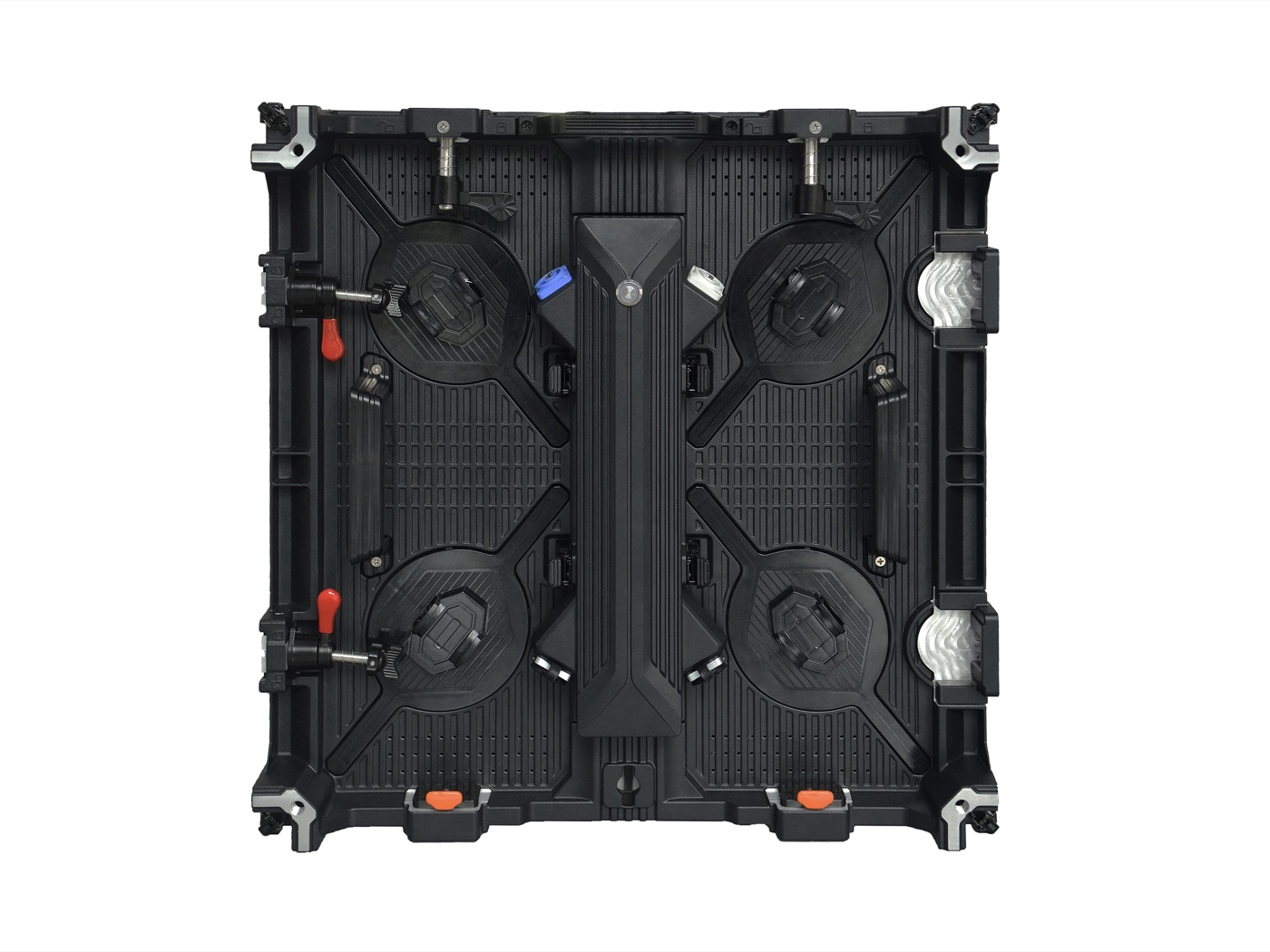
That is why the surface technology matters for rental more than for fixed work. A chip-on-board (COB) face is bonded and sealed as a continuous surface rather than built from individual lamps, so there is no lamp to knock off and the front can be wiped clean. Our COB Z series is rated for roughly 3.5× the knock resistance of an equivalent SMD module — a figure that matters precisely in the environment a rental fleet works in.
Where the fleet is well cased and handled by experienced crews, a conventional SMD panel remains a sound and more economical option. The decision follows the handling pattern, not the technology in isolation.
A rental business grows panel by panel. If every purchase introduces a different cabinet, the fleet accumulates rigging methods, spare-parts bins and crew knowledge that do not transfer. That overhead is invisible on a purchase order and very visible in daily operations.
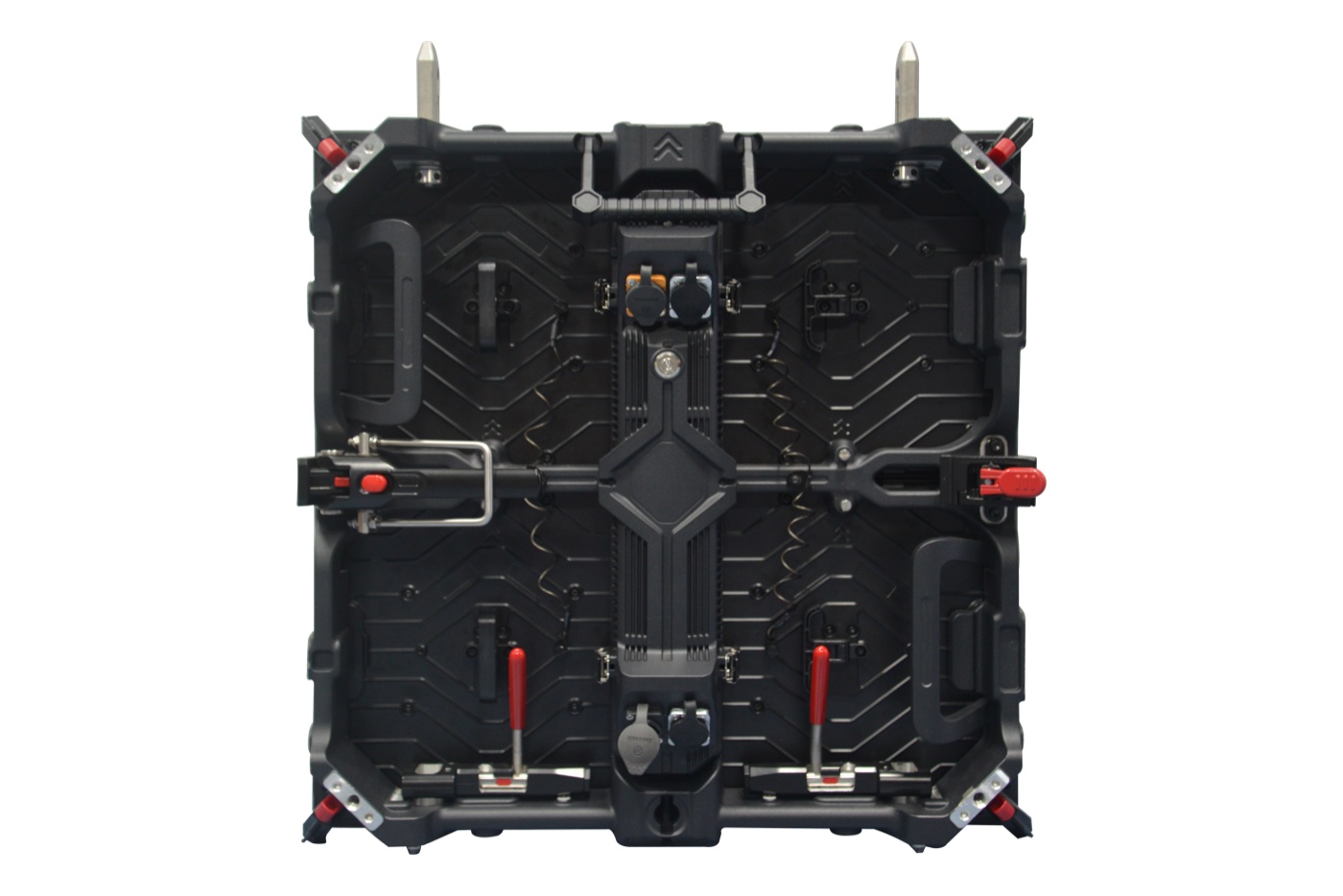
The practical answer is to standardise on one cabinet family that offers the sizes the work actually needs. Our rental range is built on a 500×500mm and 500×1000mm platform, so a fleet can cover both small stages and large walls without running two systems. Where the product family shares locking, power and flight-case dimensions across models, a replacement panel bought a year later still fits the rig.
No manufacturer has a zero failure rate, and a rental buyer is rarely choosing between a perfect panel and an imperfect one. The choice is between two imperfect options with different resupply routes.
Three terms decide whether that route works. The lead time for a repeat order — we run 15 to 20 working days on standard production — the spare-parts arrangement agreed at purchase, and the warranty response behind it. A 3-year warranty means little if a failed panel takes months to replace, so the terms should be read together rather than separately.
Our rental line is not one product with a badge. Each series targets a different part of a rental company's work.
| Series | What it is for |
|---|---|
| COB Z | COB rental cabinet with high knock resistance, ±5° curving and right-angle splicing — the general touring workhorse. |
| COB ZH | Heavy-duty touring cabinet, 500×1000mm, built for outdoor events and wind-loaded stage builds. |
| S Series | Straight rental platform in indoor and outdoor versions — events, stages and churches where a dependable cabinet at a sensible price is the requirement. |
| E-PRO | High-end rental platform with COB or SMD modules, including XR and virtual production stages. |
Behind the product line is the factory. Asia Vision Technology is based in Shenzhen and runs 8 IC production lines and 7 LED SMT production lines under ISO 9001:2015, with CE, FCC and RoHS certification. That matters to a rental buyer for one reason: the supply route to a spare panel is a factory route, not a trading-house route.
Buying on pitch alone. A finer pitch is not automatically better for rental; it raises cost and may narrow the panel to fewer rigging configurations. The pitch should follow the audience distance of the typical job.
Mixing cabinet families. Two purchases from two product lines create two inventories. Standardising early is cheaper than reconciling later.
Ignoring the flight case and the road case. Panels spend more time in transit than on a wall. How they pack, stack and travel is part of the product decision.
Leaving spares to the warranty. A warranty replaces a failed panel eventually. A spare allows the show to go ahead tonight. The two are not the same service.
Related reading on the buying side: rental pricing, fleet management, and auditing a rental manufacturer.
Send your specifications for a detailed LED display price quote with UL/ETL certification.
Request Price Quote Chat on WhatsApp