By David
How do you audit a rental led display manufacturer? You audit a rental led display manufacturer by treating it as a fleet supplier, not a one-off vendor: you check the cabinet weight and its rigging points, the quick-lock build speed, the batch consistency that keeps a reorder matching the original fleet, the spares response when a module dies mid-show, and how fast a technician can swap a part on site. The catalogue tells you what the screens look like; the audit tells you whether they survive a touring season. This guide is a buyer's checklist written for rental companies, touring suppliers, and production companies that buy for a working fleet, and it applies to us as much as to any supplier you are comparing.
A rental fleet is bought once and worked hard for years. The same cabinets are loaded into trucks, hung on truss, struck, and packed again, often dozens of times a season. A display that looks identical to a fixed-install panel on a specification sheet behaves very differently after its fiftieth build, so the questions that matter to a rental buyer are not the ones a catalogue answers.
This buying guide is written for the people who specify and maintain that fleet: rental companies, touring suppliers, and production companies. It is a buyer's audit checklist, not product marketing. Where a question already has a deeper guide on this site, we link to it rather than repeat it. Start with the rental cabinet selection guide for the hardware side, the concert LED screen buying guide for the show side, and the crew training guide for the people who build it.
A fixed display is installed once and left alone. A rental cabinet is handled constantly, and every handling cycle tests the parts a catalogue never mentions: the lock, the frame, the connector, and the module retention. These are the parts that decide whether a fleet earns money or spends it on repairs.
The audit therefore focuses on durability and speed, not only on image quality. A touring led screen supplier can show you a bright picture, but the questions that separate a real fleet partner from a box-seller are about weight, build time, batch control, and how a failed module is replaced at two in the morning between shows. The table below is the core of the audit.
| Audit Point | What to Ask | What a Good Answer Looks Like |
|---|---|---|
| Cabinet weight and rigging | What is the weight of one cabinet, and which rigging points and hardware are rated for it? | A documented weight per cabinet and rigging hardware specified for that load, with the attachment points shown on a drawing, not a guess. |
| Quick locks | How many locks per cabinet, and how fast can a two-person crew build a section? | Locks made for one-handed cam action with steel inserts, and a build rate proved on a timed test with your own crew. |
| Spares response | Which modules, power supplies, and receiving cards are held as spares, and how fast can they ship? | A named spares list, a named technical contact, and a stated response time, backed by a two-year warranty and 24-hour support. |
| Batch consistency | If I reorder next season, will the new panels match my current fleet? | Documented batch control and a colour and brightness match check, so a reorder sits beside the original fleet without a visible seam. |
| On-site serviceability | Can one technician replace a module and a power supply from the front on site? | Front-service module access and clearly labelled parts that need no soldering and minimal tools for a mid-show swap. |
| Production capability | Do you run your own lines, and how many? | Your own production lines, an aging test stage, and a cabinet workshop a buyer can tour, rather than a showroom alone. |
Weight is the first thing a rigger feels and the last thing a catalogue admits. A heavy cabinet limits how much screen you can hang from a given truss and slows every build. Ask the supplier to state the weight of one cabinet in writing, and ask which rigging points are load-rated. A supplier that answers with a feeling rather than a figure has not thought about touring.
Rigging hardware matters as much as the cabinet. Ask how the cabinet attaches to the truss, whether the hardware is supplied or sourced separately, and whether the attachment points are marked on a drawing your riggers can follow. On a touring build, an unmarked or undocumented rigging point is a risk that shows up on site, not in the quotation.
Build speed is money on a touring schedule. The quick lock is the part that decides how fast a crew can raise a wall, and it is also the part that wears fastest. Ask how many locks each cabinet has, whether they are cam locks or a screw thread, and whether the lock body uses steel inserts that survive repeated use rather than soft metal that rounds off.
The honest test is a timed build with your own crew, using your own truss. A rental led panel manufacturer that is confident in its lock design will welcome that test. A supplier that will not let your crew try the lock is hiding a build rate you will discover for yourself on the first job.
A fleet is built up over seasons, cabinet by cabinet. The danger is a reorder that does not match the panels you already own: a new batch with a slightly different colour or brightness shows on a wall as a visible block, which no amount of content design hides. Batch consistency is therefore an audit point, not a detail.
Ask how the supplier controls batch-to-batch consistency, and how it matches a reorder to an existing fleet. Ask whether it keeps a reference panel and whether it checks colour and brightness against it before shipping. The answers tell you whether a second order will extend your fleet or sit beside it as an obvious patch.
A rental screen fails when it is working, because that is when it is used. A module, a power supply, or a receiving card can die mid-season, and the speed of the spares response decides whether a show goes on. The audit should establish which parts are held as spares, how they ship, and who answers the phone when they are needed.
A supplier that knows the product it built tends to offer structured support, because it can trace the parts. Look for a stated warranty period and a named technical contact, and treat the after-sales promise as part of the price. Our own rental builds are backed by a two-year warranty and a 24-hour technical response for exactly this reason: a fleet supplier is judged on the second season, not the first shipment.
The most expensive fault is the one that cannot be fixed where the screen is hanging. On-site serviceability decides how much of a show you lose to a repair. Ask whether a module can be replaced from the front, whether a power supply or receiving card can be swapped without removing the cabinet, and whether the parts are labelled so a technician works by sight rather than by memory.
A rental cabinet built for service has a clear path to every consumable part. A cabinet built only for cost does not, and the difference appears under pressure. Ask the supplier to walk you through a module swap on a single cabinet, and time it. That demonstration is worth more than any durability claim in a brochure.
Behind the fleet sits a factory, and the factory is what you are really auditing. A genuine rental led display factory owns the production and the quality control that decide whether the next batch will match this one. A trading company owns a catalogue and forwards your complaint to a third party it never controlled.
Ask what the manufacturer actually runs. Asia Vision, for example, supports SMD, GOB, and COB on the same floor, runs twelve COB production lines, and can mass-produce COB fine pitch down to P0.93. That range matters to a rental buyer because exposure to the weather and to handling favours a tougher encapsulation, and a plant that runs more than one encapsulation method can advise honestly rather than push the single option it owns.
The cabinet workshop matters as much as the display line for a rental product. A supplier that builds its own cabinets can customise the frame, the lock, and the service access to a fleet's needs, and can run its own aging test and quality check before everything ships as an export order. Known rental formats such as a 600x337.5mm cabinet and a 480x320mm die-cast aluminium module are a useful reference point, but the audit is about whether the plant can repeat them, batch after batch, for markets as far apart as the Middle East, Europe, North America, Latin America, and Southeast Asia.
Some answers should end the conversation. A supplier that cannot state a cabinet weight, or that treats rigging as an afterthought, is a liability to a touring crew. A supplier that refuses a factory tour, or shows only a showroom, may not control production at all. A supplier that cannot explain how it matches a reorder to an existing fleet is one that will sell you a mismatched batch later.
Watch, too, for a lock that is copied rather than engineered, and for a service design that needs the cabinet removed to reach a power supply. Each of these saves the supplier money and costs you time on site. The audit exists to find those trade-offs before they are built into your fleet, while you still have the leverage of an order.
| Rental Requirement | What It Protects |
|---|---|
| Cabinet weight and rigging | Safe loads and a fast, repeatable build |
| Quick locks | Crew speed and lock life across seasons |
| Batch control | A reorder that matches the existing fleet |
| Spares and after-sales support | Show uptime when a part fails |
| Front-service design | A mid-show repair that does not wait for the shop |
Run the audit before the order, while the leverage is yours. Ask each supplier the same questions, record the answers, and request a factory tour or a live video walk of the lines, the aging area, and the cabinet workshop. Take a sample cabinet, try the lock yourself, and time a module swap the way your crew would on site.
Then compare the answers side by side against the specification. A rental led display manufacturer that welcomes the scrutiny, shows you the floor, and answers with figures rather than adjectives is the one worth keeping. A supplier that resists the audit has told you, in the refusal, the one thing you needed to know.
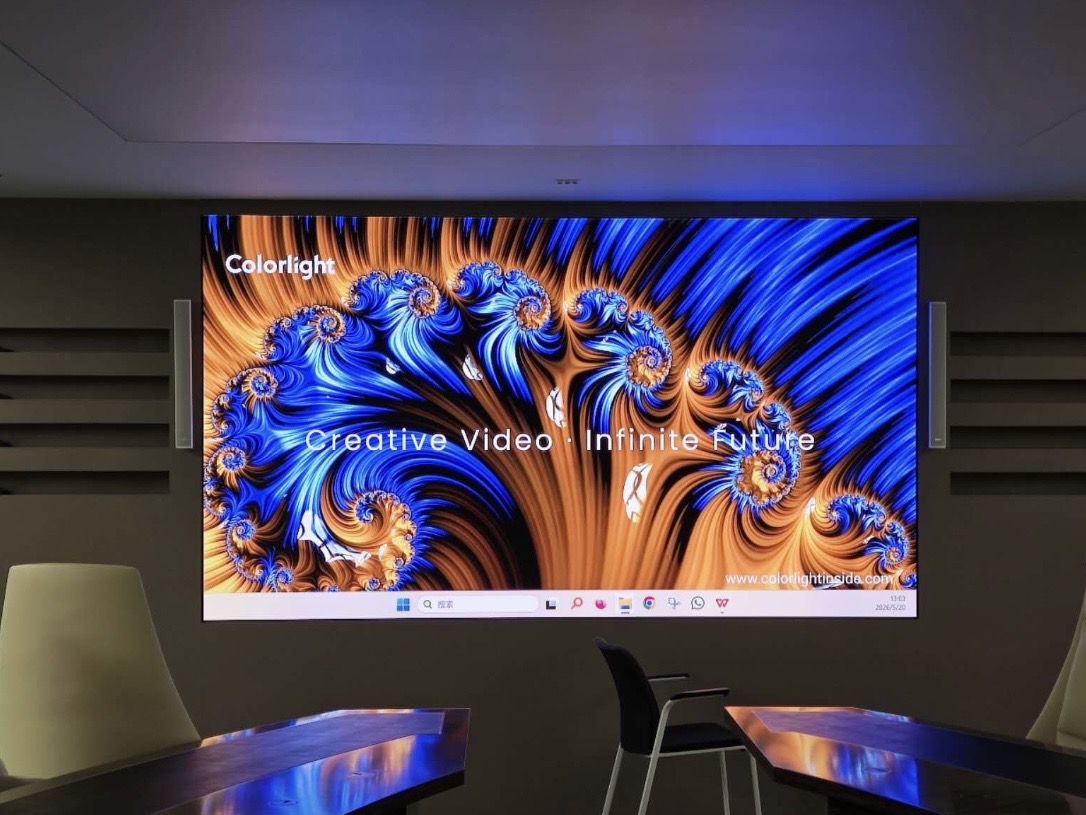
Ask us the audit questions in this guide. We will show you our cabinet workshop, our production lines, and our spares setup, so you can judge our rental fleet the same way you judge any supplier.
Request a Rental AuditChat on WhatsApp