By David
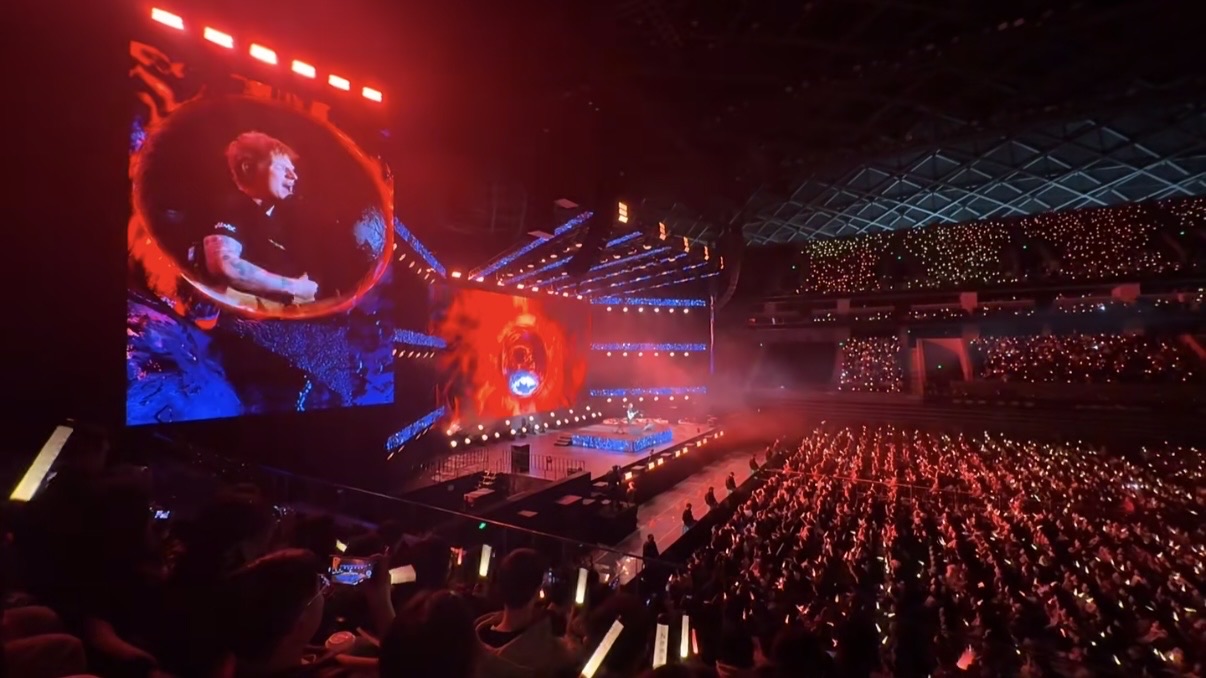
Touring breaks an LED screen in ways a fixed install never does. A rental panel is rigged, struck, road-cased, trucked, dropped back onto a stage and rebuilt again — often indoors on Friday and outdoors on Saturday. The enclosure that survives that cycle is the one that decides whether the tour stays on schedule.
This guide covers what actually changes when a screen goes on the road, why chip-on-board (COB) panels are increasingly specified for rental and touring work, and which cabinet and service questions decide whether a fleet still looks right after a season of use.
A fixed installation is judged on the day it is commissioned. A rental screen is judged every night, by a different crew, in a different venue. Between shows it spends hours in a road case and a truck, and it is handled far more often than any wall bolted to a lobby wall. The wear is not a single dramatic event; it is hundreds of small handling events, each one a chance to chip a surface, loosen a connector or trap moisture.
That is why rental buyers rarely compare pixel pitch alone. They compare how a panel behaves when it is lifted by its edges, stacked in a case, rained on at load-in and wiped down before doors open. The protective surface and the cabinet — not the brightness figure — decide how much of the fleet is still in service at the end of the year.
In a conventional SMD module, individual LED lamps sit on the module surface with a wire bond and a solder joint exposed to the world. Those joints are the first thing to suffer when a panel is handled constantly. COB takes the opposite approach: the LED chips are bonded directly to the board and covered by a protective layer, so there is no exposed lamp bead or wire bond to knock loose. The full comparison of the three encapsulation methods is in our COB vs SMD vs GOB encapsulation guide.
On a tour this changes several practical things at once. The face can be wiped clean without the care a bare lamp surface needs. A knocked corner is less likely to take a lamp with it. Humidity at an outdoor load-in has a sealed surface to contend with rather than exposed joints. And because the surface is smoother and more uniform, a COB panel holds a cleaner look at close camera distance — which matters whenever the screen is filming as well as being watched.
| Wear scenario on tour | SMD module | COB panel |
|---|---|---|
| Repeated handling at rig and strike | Exposed lamps and bonds take the knocks | Chips sit under a protective layer |
| Outdoor or humid load-in | Moisture reaches open joints | Sealed face resists moisture and dust |
| Cleaning between shows | Needs care around bare lamps | Surface can be wiped down directly |
| Impact at a case edge | A single lamp can fail | Impact is spread across the surface |
| Close camera work | Lamp structure can read on camera | Smoother face at close range |
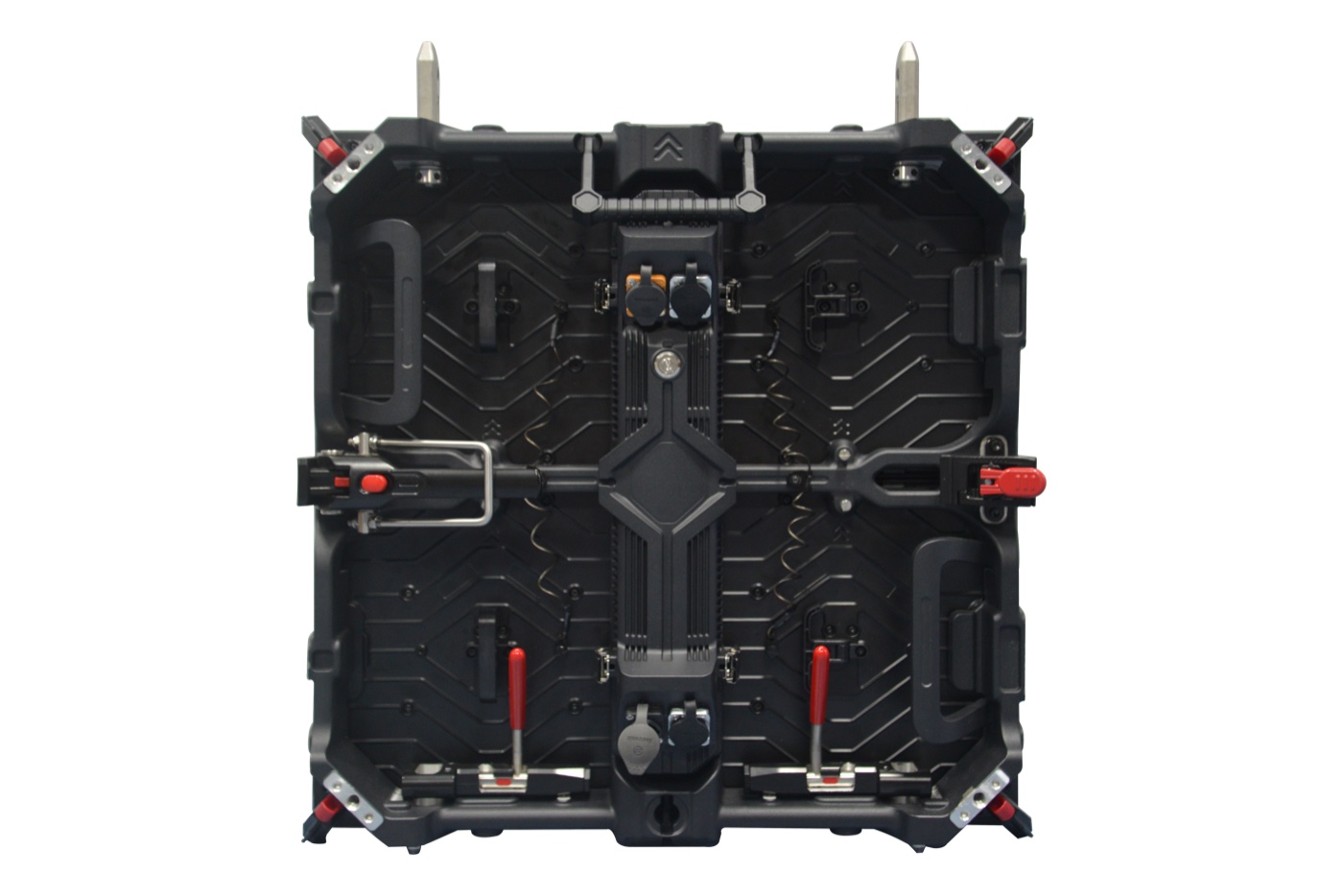
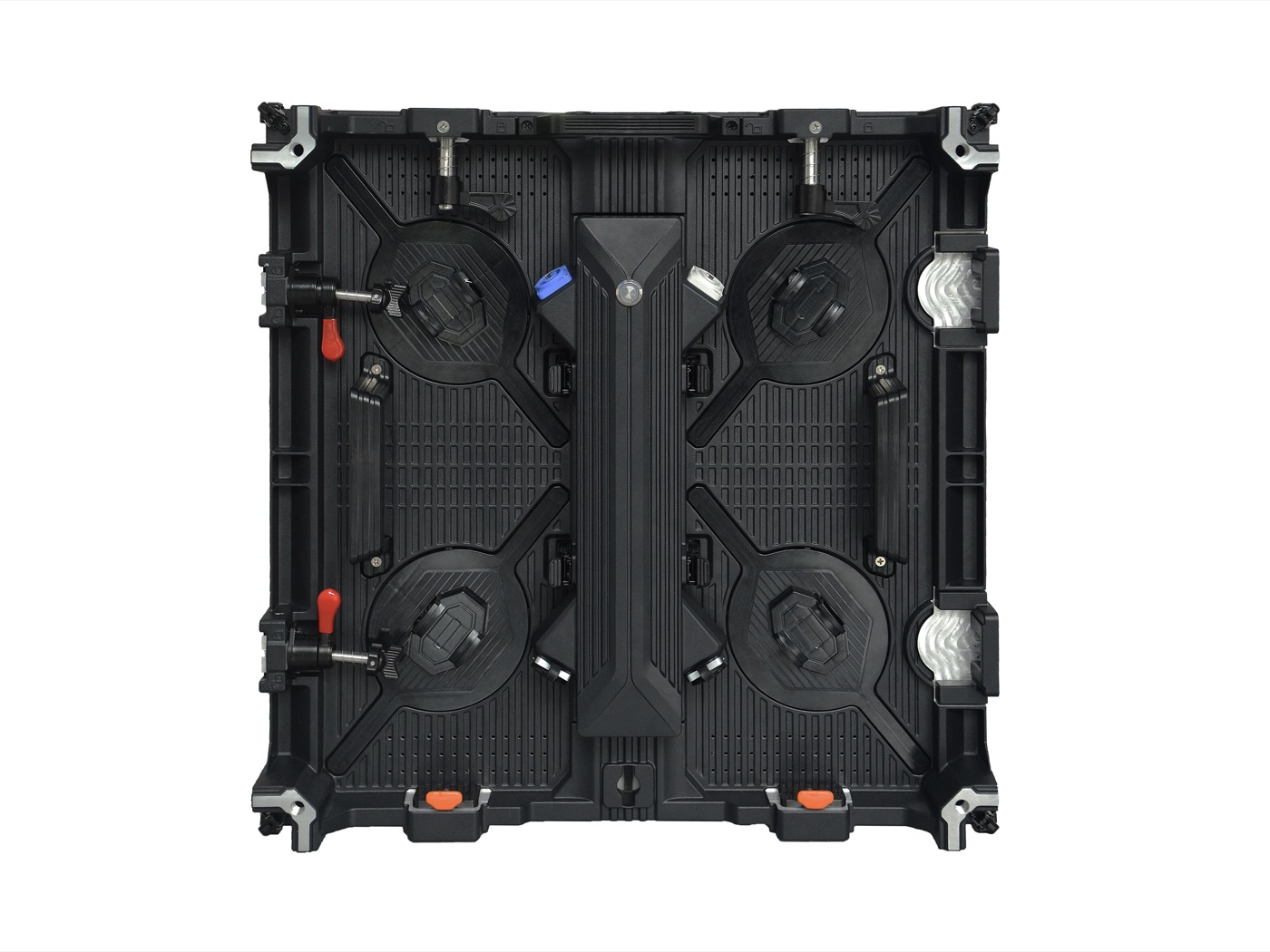
Crews do not lift panels; they lift cabinets. Weight, the speed of the locking mechanism, how the cabinet stacks in a case and how it hangs from a truss all shape how fast a build goes up and how safely it comes down. A panel that is technically excellent but slow to assemble costs a tour real money in labour hours.
Rental cabinets are usually die-cast aluminium for a reason: it is light, it holds its shape after repeated handling, and it keeps tolerances tight enough that panels line up without shimming. Curved and straight sections sharing one locking system matter too, because most shows mix both. If you are comparing cabinet options in more detail, our rental cabinet selection guide walks through the trade-offs.
The failures that hurt on tour are rarely the dramatic ones. They are the small, repeated ones: a column that goes dark because a connector worked loose in transit, a panel that will not latch cleanly because a corner was deformed, a row that discolours because moisture found a way in. Each is minor on a bench and serious at load-in.
A sealed, chip-on-board surface removes several of those entry points at once, but it does not remove the need for a service plan. The panels most likely to fail are the ones that have been handled the most, so the practical question is not whether a panel can fail, but how quickly a crew can replace it without pulling the whole wall down.
| Failure | Typical cause on tour | What limits the damage |
|---|---|---|
| Dark column or module | Connector loosened in transport | Front or rear module access, quick swap |
| Panel will not latch | Deformed cabinet corner | Rigid die-cast structure that holds shape |
| Discolouration | Moisture ingress at a joint | Sealed COB surface |
| Visible seam in the wall | Cabinet tolerance drift | Tight manufacturing tolerance, batch matching |
| Random lamp failure | Impact at a case edge | Protected surface spreads the load |
A rental company buys a screen once and then lives with the spares decision for years. The useful question is how the fleet behaves when a single panel fails a week before a festival. If replacement modules ship from stock and the swap is a ten-minute job with the wall in place, a failure is an inconvenience. If the panel has to come out of the wall or wait for a batch, it is a scheduling problem.
That is why we treat spares as part of the specification rather than an afterthought. Buyers auditing a rental supplier should ask the same thing: what is the module swap procedure, how long does it take, and what is held in stock? Our rental LED display manufacturer audit covers the checks worth running before a fleet is committed.
We build two COB families aimed specifically at rental and touring work. The COB Z Series is a rental cabinet on a 7680Hz flip-chip driver — high refresh for camera, a sealed COB face, and a cabinet built to be rigged and struck hundreds of times. The COB ZH Series is the touring build: a sealed, wind-rated cabinet for outdoor stages where the screen has to stand up to weather as well as handling.
Both come off the same COB process as our indoor fine-pitch and outdoor sealed product lines, so a rental fleet and a client's fixed installation can be specified from one supplier with one set of spares. The technology behind that process is set out in our COB technology guide.
Start from the show, not the spec sheet. A corporate roadshow, a festival stage and a broadcast set each place different demands on pitch, refresh and cabinet. Pitch follows the closest audience or camera distance; refresh follows whether the screen is filmed; the cabinet follows whether the show is indoors or out.
| Tour type | Pitch focus | Cabinet emphasis | Why |
|---|---|---|---|
| Corporate roadshow | Finer pitch for close seating | Light, fast rig, indoor | Audience sits close, build is quick |
| Festival stage | Mid pitch for distance | Wind-rated, outdoor seal | Long throw, weather exposure |
| Broadcast or filming set | Fine pitch, high refresh | Camera-friendly face, low latency | Screen is captured on camera |
| Club and venue tour | Mid to fine pitch | Compact case, fast strike | Short turnaround between venues |
| Outdoor activation | Mid pitch | Sealed IP-rated cabinet | Direct weather and daylight |
If a project mixes fixed and touring elements — a permanent stage wall plus a screen that travels — the same COB process can cover both. Tell us the show type, the viewing distance and whether the screen is filmed, and we will map it onto the right cabinet and pitch rather than a generic model. Our outdoor rental guide covers the outdoor side in more depth.
For rental companies building or refreshing a fleet, the practical next step is a conversation about the shows you actually run. Send us the stage plans and the touring pattern, and we will come back with a recommendation on panel, cabinet and spares.
Send us the stage plan, the viewing distance and whether the screen is filmed — we will recommend the panel, cabinet and spares setup.
Request Rental Spec AdviceChat on WhatsApp