Rental pricing is a method, not a number. Two companies can own identical panels and quote the same event very differently, because each quote reflects how that operator accounts for crew, transport, risk, and idle time. Understanding the method lets a buyer read a rental quote intelligently and lets an operator defend a rate that looks high on the surface.
The core idea is that a rental rate must recover far more than the panel's purchase cost. A screen earns money only on the days it is out, so every quote has to carry a share of the days it sits in the warehouse, plus the depreciation that accrues whether it works or not. Operators who price as if every day were a billing day eventually fail, because the math only closes at an unrealistic utilization rate.
This guide explains the cost stack behind a rental quote, the difference between day rates, weekly rates, and project quotes, and how utilization and margin interact to set a break-even point. It does not list prices, because rates depend on local labour, transport distances, and market conditions, but it gives the framework any operator or buyer can apply to their own numbers.
Read the sections that follow as a checklist. If a quote omits one of the cost lines described here, either the supplier is absorbing a loss or the service behind that line will not be delivered on the day it matters most.
It also helps to separate capital cost from operating cost when reading a rate. The panels, cases, and control gear are bought once and then consumed slowly, so their cost is spread across every booking for the life of the fleet. Transport, crew, and consumables are spent again on each job and rise with distance, headcount, and show days. A rate that treats both the same way hides which part of a job is actually profitable, and it makes it hard to tell whether a discount is cutting into buffer or into the money that keeps the fleet alive.
Every defensible rental quote is built from a series of stacked costs. At the bottom is the hardware: cabinets, power supplies, receiving cards, and the sending system. On top of that sits the ownership burden, which covers depreciation, financing, storage, and insurance across the assumed life of the fleet.
The next layer is mobility. Flight cases, rigging, cabling, and transport vehicles are capital items, but fuel, tolls, and driver time are recurring costs that vary with every job. Distance is the silent multiplier here, because a venue two hours away roughly doubles the transport line compared with a downtown job of the same size.
Above mobility sits labour, usually the largest single line on a serious job. Load-in, build, calibration, show operation, and strike each demand trained people, and the hours are long and often outside normal working time. Add a contingency for the unexpected, because a rain delay, a late venue handover, or a damaged module turns a planned ten-hour day into a fourteen-hour one.
Finally comes margin and the spares reserve. Margin funds the business; the reserve funds the next replacement panel. A quote that carries neither is not a competitive price, it is a deferred cost that surfaces later as a failed show or a fleet that quietly wears out.
Risk is a cost line in its own right, even when nothing goes wrong. Outdoor events carry weather risk, long runs carry fatigue risk, and unfamiliar venues carry the risk of lost time during load-in. Operators who price the same job identically whether it is indoors or on an exposed field usually regret it, because the exposure to a rain delay or a wind hold is not the same. A small risk loading on outdoor and remote work funds the contingency that keeps the crew paid when a show is delayed rather than cancelled.
| Cost Layer | Type | Main Driver | Often Missed |
|---|---|---|---|
| Cabinets and control | One-time | Fleet size and pitch | Sending and receiving hardware |
| Depreciation and finance | Ongoing | Fleet value and life | Idle days in the warehouse |
| Storage and insurance | Monthly | Fleet volume | Off-season periods |
| Transport and vehicles | Per job | Distance and crew size | Second vehicle for control gear |
| Crew labour | Per job | Show days and area | Overtime and venue rules |
| Spares and repairs | Reserve | Failure rate and usage | Consumable modules |
Rental pricing is usually expressed in one of three forms, and each suits a different kind of customer. A day rate is simple and transparent, and it works for short bookings where the client controls the schedule. A weekly rate bundles several days at a discount, which encourages longer hires and keeps panels out of the warehouse.
A project quote prices the whole engagement as one figure: panels, crew, transport, control, and site support. It is the most common form for events, because the client wants a single number rather than a list of rates. For the operator it is also the safest form, because the price can absorb variation that a pure day rate would expose.
Choosing between them is a matter of matching risk to the client. Fixed-scope corporate work suits a project quote. Ad-hoc hires where the client may extend or cut the booking suit a day rate. Long festival runs and touring productions suit a weekly rate with a clearly defined technical package attached.
Whatever the form, the quote should state what is included and what is billed on top. Delivery beyond a set radius, overnight crew, standby days, and replacement modules are the items most often argued about after the show, and listing them up front protects both sides of the deal.
| Pricing Model | Best For | Client Risk | Operator Risk |
|---|---|---|---|
| Day rate | Short ad-hoc hires | Low commitment | Idle days uncovered |
| Weekly rate | Tours and festivals | Predictable cost | Under-utilised weeks |
| Project quote | Corporate events | Single fixed number | Scope creep |
| Cost plus | Long partnerships | Transparent build-up | Margin exposure |
| Retainer | Recurring venue work | Guaranteed access | Capacity reserved |
Utilization is the single variable that turns a rental fleet from a hobby into a business. It is the share of the year a panel is actually earning. Because ownership costs accrue every day, a panel booked half the year must recover its annual cost in half the days, which roughly doubles the effective daily burden compared with a panel booked most of the year.
Margin sits on top of recovered cost, and it has to fund growth as well as profit. A useful discipline is to separate the cost-recovery portion of a rate from the margin portion, so that a discount negotiation targets margin rather than silently eating the spares reserve. Operators who cannot see which part of a rate is which usually discount their way into trouble.
The break-even show is the booking at which a job covers its direct costs and contributes to fixed costs. Knowing that number tells an operator when to walk away from a low offer and when to take a marginal job to keep a crew busy. It also tells a buyer why a very low quote is a warning sign rather than a bargain.
Review rates on a schedule. Fuel, labour, and hardware costs move, and a rate set two years ago may no longer cover its own cost stack. Annual or seasonal reviews keep pricing honest and prevent the slow margin erosion that catches rental companies by surprise.
Crew size is a lever that competes directly with margin on the night. The same wall can be built by a larger team in fewer hours or a smaller team over a longer day, and the cheaper option depends on wage rules, venue access windows, and overtime rates. Getting that trade-off right requires knowing how many panels an experienced crew can build per hour with a given cabinet and rigging system, which is why fleet standardisation pays twice. Predictable build times make both the schedule and the quote more accurate.
Rental pricing in North America is quoted differently from a sale, and the differences matter to a rental house buying fleet equipment.
Three points shape it. Fleet value is judged on utilisation, not on unit price, so a cabinet that is quicker to rig or lighter to transport earns more per event than a cheaper one that costs more labour. The pricing basis differs by client — a dry hire is priced against the equipment, while a full-service rental is priced against the event and carries labour and transport. And the cost of substitution matters, because a rental house that has to hold extra kit to cover a slow replacement is paying for reliability either way.
Two practical points. Account for the freight on a warranty replacement in the fleet economics, since on a single module it can exceed the part. And confirm the supply lead time for a fleet order, because a rental season does not move and a fleet that arrives late earns nothing for that season.
Asia Vision Technology helps rental operators build a cost structure they can defend. Our X series rental panels use 500 by 500 millimeter cabinets weighing about 6.5 kilograms with front and rear maintenance, so a quote can promise fast build, fast strike, and service without dismantling the rig. That serviceability is what keeps a fleet on the road instead of in the repair queue.
Displays carry CE, FCC, and RoHS certification, ship in 15 to 20 working days, and are backed by a 3-year standard warranty, with panels rated for around 100000 hours. We quote fleet configurations rather than single screens, so panel counts, spares, and control hardware arrive sized to the events an operator actually sells.
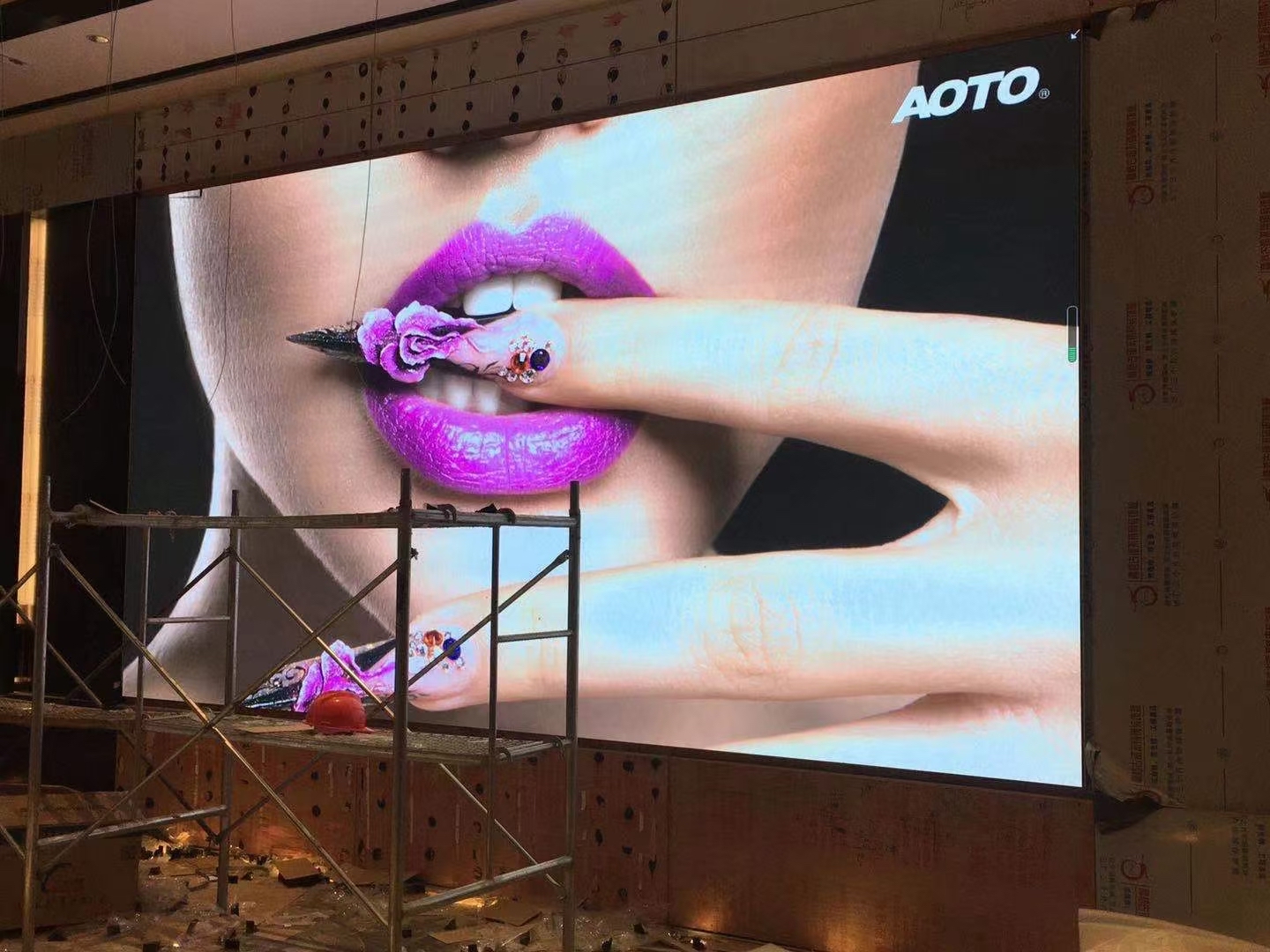
For this requirement our range covers it directly: the COB Z rental series (7680Hz flip-chip) and the COB ZH touring series (sealed, wind-rated).