By David
What is an LED display IP rating? An IP rating is an international two-digit code that describes how well an LED display enclosure resists dust and water. For outdoor screens, the LED display IP rating is one of the most important specifications, because water ingress, dust, and condensation cause most field failures. This 2026 guide explains IP65 vs IP66, what the two digits mean, and how buyers verify a manufacturer's claim.
Two outdoor screens can look identical in a catalogue and behave completely differently after a rainy season. The difference is usually the sealing design, the cabinet structure, and whether the manufacturer actually tested the assembled product rather than a single component.
| Code Position | Meaning | Typical Values for LED Displays |
|---|---|---|
| First digit | Protection against solid objects and dust | 5 = dust protected, 6 = dust tight |
| Second digit | Protection against water | 4 = splashing, 5 = jets, 6 = powerful jets, 7 = temporary immersion |
| Example | IP65 | Dust tight and protected against water jets |
| Example | IP66 | Dust tight and protected against powerful water jets |
The first digit describes solids. A rating of 5 means dust may enter in small amounts but not enough to interfere with operation. A rating of 6 means the enclosure is dust tight. Outdoor displays normally need 6 for the front face, because dust combined with moisture creates conductive paths and corrosion.
The second digit describes water. A rating of 5 protects against low-pressure water jets, which is the normal requirement for outdoor signage. A rating of 6 adds protection against powerful jets, useful in coastal areas, car washes, and high-wind rain. A rating of 7 covers temporary immersion, which is rare for fixed LED walls but relevant for some rental or marine products.
| Rating | Protection Level | Typical Application |
|---|---|---|
| IP54 | Dust protected, splash resistant | Semi-outdoor and covered areas |
| IP65 | Dust tight, water jet resistant | Standard outdoor fixed signage |
| IP66 | Dust tight, powerful jet resistant | Coastal, high-wind, harsh rain |
| IP67 | Temporary immersion | Marine, flood-risk, special rental |
IP65 is the practical baseline for outdoor LED displays. IP66 is a stronger choice for coastal projects, tropical monsoon climates, and installations exposed to wind-driven rain. IP67 is unusual for large fixed walls because the cabinet design becomes heavier and more expensive.
Some manufacturers quote a front rating only. A screen can be IP65 on the front face and much weaker on the rear, where power supplies and receiving cards sit. Ask for the front and rear ratings separately, because service access panels and cable entries are the parts most likely to leak.
The difference between IP65 and IP66 is the water jet pressure used in testing. IP66 is not automatically better for every project; it costs more and may not be necessary for a covered walkway or an inland wall with a roof. The right choice depends on wind exposure, rainfall, salt, and maintenance access.
For coastal sites, choose IP66 plus corrosion protection. Salt spray attacks screws, connectors, and cabinet coatings even when water does not enter the enclosure. For desert sites, dust and heat matter more than rain, so the sealing design must handle fine sand and the thermal load of high ambient temperatures.
An IP rating does not describe corrosion resistance, UV stability, impact resistance, or condensation management. These are separate engineering issues, and they are often the reason an IP65 screen fails in the field. Buyers should ask about them explicitly instead of assuming the IP number covers everything.
Condensation is the most misunderstood risk. A cabinet can be sealed against rain and still collect moisture inside when temperature changes. Manufacturers manage this with breathing membranes, desiccant, conformal coating, and controlled airflow. Ask how the design handles thermal cycling, not only rain.
Request the IP test report based on IEC 60529 and confirm that the tested sample is the same cabinet model you are buying. A report for a module or a small sample cabinet does not automatically cover a full assembled screen with power supplies and cable entries.
Photos and video of the factory water test are useful evidence. A serious factory can show the test setup, the duration, and the cabinet configuration. If the supplier only sends a certificate image with no model number, treat the claim as unverified.
The IP rating of a cabinet can be destroyed during installation. Cable glands installed incorrectly, service panels left loose, or drainage holes blocked by the mounting frame all create water paths. Installation drawings should show cable routing, sealing requirements, and minimum clearance for drainage.
Outdoor screens should not sit in a water trap. The frame must allow water to drain away from the cabinet, and the bottom of the structure should not collect debris. In coastal installations, use stainless steel fasteners and inspect them after the first storm season.
Inspect seals and cable entries every six months in normal climates, and every three months in coastal or monsoon regions. Cleaning removes salt, dust, and pollution that degrade coatings and block drainage. Replace any hardened or compressed seal rather than tightening it.
Coastal projects combine salt, humidity, wind, and UV. Specify IP66, marine-grade fasteners, additional conformal coating on electronics, and a maintenance contract that includes corrosion inspection. A standard IP65 indoor-oriented design will not last in this environment.
Extreme heat reduces power supply life and increases the importance of airflow and thermal design. Extreme cold creates condensation during temperature swings. Buyers in these regions should ask for a project reference in a similar climate, not only a laboratory rating.
IP rating is a starting point, not a guarantee. The complete outdoor design includes sealing, corrosion protection, thermal management, drainage, and maintenance. Buyers who evaluate all five avoid the most expensive outdoor failures. For related specifications, read the refresh rate guide and the specifications guide.
Power supplies and receiving cards are the most moisture-sensitive parts of an LED display. Even when the front face is sealed, water can travel along cables into the rear compartment. Ask how the power supply compartment is sealed, whether the components have conformal coating, and how the cabinet breathes during temperature changes.
A common design uses a sealed front module with a separately ventilated rear compartment. This keeps rain away from the display surface while allowing heat to escape. The design is effective only when the two zones are properly separated, so ask for a cabinet cross-section drawing or a factory explanation.
Ask these questions before the quotation is finalized, and put the answers in the purchase specification. A supplier that answers clearly is easier to hold accountable, and the answers become part of the inspection criteria before shipment.
Outdoor LED projects fail for environmental reasons more often than for image quality. Investing an hour in IP and sealing questions protects years of screen performance, maintenance budget, and reputation with the venue owner.
Keep the IP test report with the order documents and repeat a visual seal inspection before shipment. The report confirms the design; the inspection confirms that the shipped cabinets were assembled to that design.
Document the seal condition and cabinet serial numbers in the inspection report for future warranty reference.
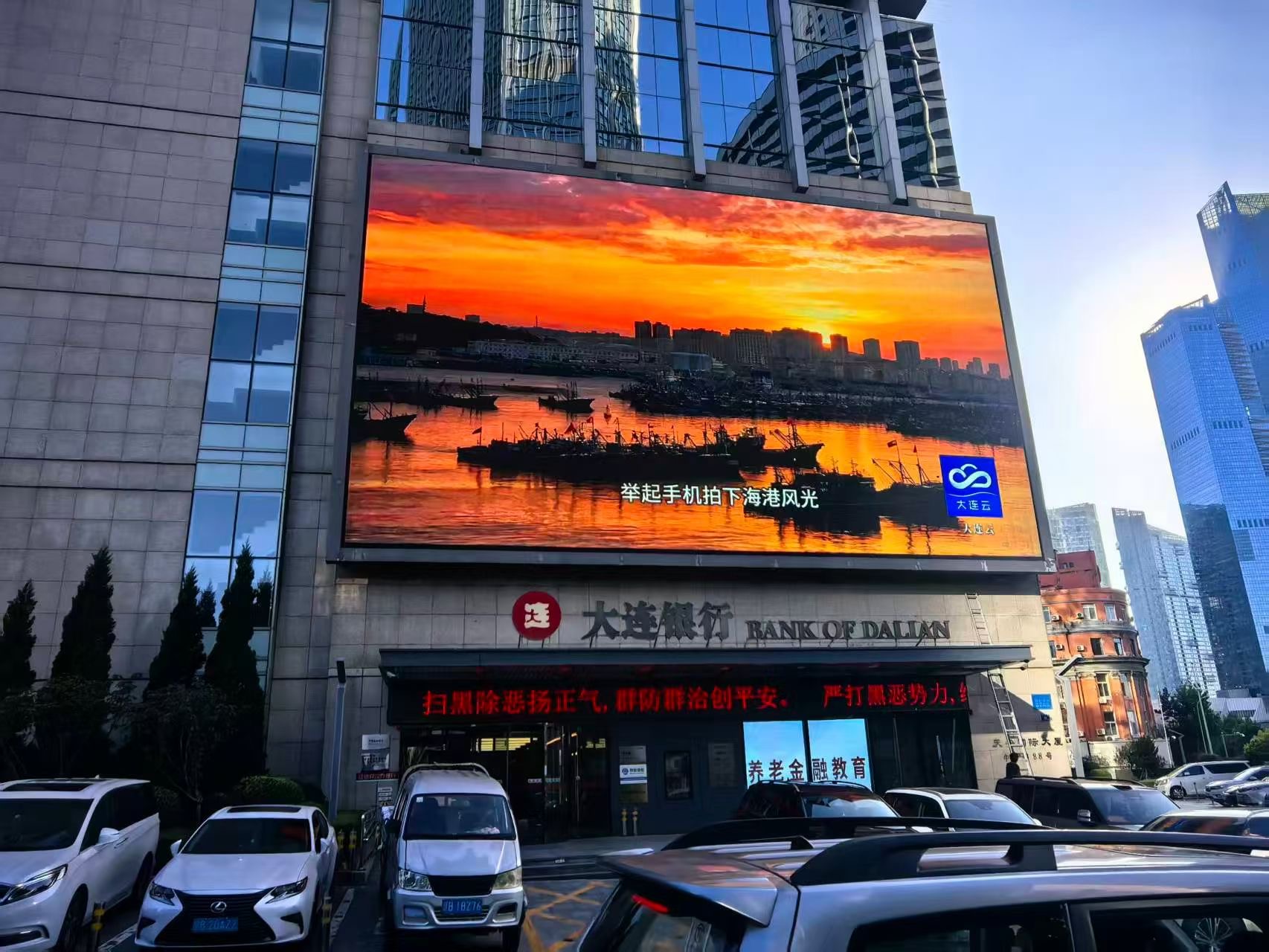
Tell us your climate and installation site, and we will match the IP rating and corrosion protection.
Request Outdoor QuoteChat on WhatsApp