By David
What is led display structural load? Led display structural load is the force the screen and its supports place on the structure, including the dead weight, the live loads, and the wind. The structure must carry them safely. This 2026 guide explains the loads and the calculation.
A large LED screen is heavy, and it hangs or stands on a structure that must carry it. The load decides whether the wall, the truss, or the ground support is safe. The installer who understands the load designs the structure that lasts, and avoids the failure.
This led display structural load guide is written for the installers and the engineers. It explains the load types, the paths, and the calculation.
The structure carries several loads. The dead load is the weight of the screen, the frame, and the cable. The live load includes the snow, the maintenance, and the handling. The wind load is the pressure on the screen area. Each must be considered, together, not alone.
| Load | What It Is | Where It Matters |
|---|---|---|
| Dead load | The weight of the screen | Every installation |
| Live load | Snow, people, tools | Roofs and outdoor |
| Wind load | The pressure on the area | Outdoor and high screens |
| Dynamic load | Gusts and vibration | Tall and large screens |
The wind load is the biggest surprise for the outdoor screens. A large screen acts like the sail, and the force rises with the area and the wind speed. The structure designed for the weight alone fails in the storm, so the wind must be in the calculation.
| Load | Check |
|---|---|
| Dead | Screen weight |
| Live | Snow, people |
| Wind | Area and speed |
| Dynamic | Gusts, fatigue |
The load path is the route the force takes from the screen to the ground. The cabinet to the frame, the frame to the wall or the truss, and the wall to the foundation. Each link must carry the load. A weak link fails the whole path.
The wind load depends on the wind speed, the screen area, and the exposure. A screen on the open coast faces the higher wind than one in the sheltered town. The engineer uses the site's wind data, not the generic figure, to design the support.
The screen's height also affects the wind load, because the wind is stronger higher up. A tall screen on the roof needs the stronger structure than one on the low wall. The height and the exposure are parts of the calculation.
The structure, whether the wall, the truss, or the ground support, has a capacity. The load must be within it, with the safety margin. The engineer checks the capacity and the fixings. The overloaded structure is the risk, so the capacity is the limit of the design.
The wall material and the anchors decide the capacity. The concrete anchors differently from the brick, and the wrong anchor fails. The engineer specifies the anchor and the pattern, so the load transfers safely to the structure.
The structural calculation should be done by the qualified engineer, with the loads, the site, and the safety factors. The calculation is the proof the structure is safe. The uncalculated structure is the gamble, so the sign-off is essential for the large or the outdoor screen.
The calculation should be documented and kept, because the structure may be inspected later. The record shows the design and the margin. The documented calculation protects the installer and the owner, and it supports the future change or the addition of the screen.
The common mistakes are the ignored wind, the wrong anchor, and the no calculation. Others include the overloaded structure and the missing sign-off. Each risks the failure, the injury, and the loss, so the load is not the place to save the cost.
The remedy is to calculate the loads, check the path and the capacity, and get the engineer's sign-off. The correct structure carries the screen safely for its whole life, whatever the weather brings to the site and the installation.
The dead load is the screen's weight, which the buyer should know from the specification. The weight includes the cabinets, the frames, and the cable. The accurate weight is the start of the structural design, so the buyer should not guess it.
The weight also depends on the cabinet material, with the die-cast lighter than the steel. The lighter screen needs the lighter structure, which saves the cost. The weight, from the specification, informs the structure and the cost of the installation and the support.
The site's wind and the exposure decide the load. The open coast and the high roof face the higher wind. The site's climate also brings the snow and the ice, which add the load. The site-aware calculation is the safe one for the specific location.
The site's condition also affects the structure's capacity, such as the corroded frame or the weathered wall. The survey notes the condition, so the calculation uses the real capacity. The site, in the load calculation, gives the structure that is safe for the climate and the location.
The safety factor is the margin between the load and the capacity, protecting against the uncertainty and the wear. The engineer applies the factor, so the structure has the reserve. The structure at the limit, with no factor, is the risk that the small surprise pushes over the edge.
The safety factor also covers the dynamic loads and the fatigue over the years. The wind gusts and the vibration stress the structure. The engineer's factor accounts for the long life. The buyer should not accept the structure without the factor, which marks the serious engineering.
The structure should be inspected over the life, because the fixings loosen and the corrosion weakens. The buyer should schedule the inspection, so the structure stays safe. The periodic check catches the small issue before the failure at the installation or the later.
The inspection should check the anchors, the bolts, the welds, and the corrosion. The qualified inspector confirms the capacity. The record of the inspection supports the safety. The structure, like the screen, needs the maintenance, and the inspection is part of the responsible ownership.
A change to the screen, such as the addition or the larger screen, changes the load, so the structure must be re-checked. The buyer should not add the screen to the existing structure without the calculation. The re-check confirms the structure can carry the new load.
The change also includes the new equipment or the extra frame. Each adds the weight or the area. The engineer should review the change. The buyer should treat the structure as the live design that needs the review when the screen or the site changes.
The structural calculation and the drawing should be documented and kept, so the future work has the reference. The record shows the design's capacity and the margin. The documented structure supports the inspection, the change, and the eventual removal of the screen.
The documentation also protects the parties, because the calculation shows the safe design. The buyer, the engineer, and the installer each hold the record. The documented load, from the calculation to the sign-off, is the proof the structure is the safe foundation of the screen.
The mounting transfers the load, so its design is critical. The bracket, the frame, and the anchor each carry the load. A weak mounting fails even when the structure is strong. The engineer designs the mounting with the load, so the whole path is safe.
The mounting should also allow the adjustment, so the screen is level and aligned. The adjustable bracket supports the precision. The mounting, designed for the load and the alignment, holds the screen safely and looks right, which is the goal of the structural work.
The structural work costs the money, so the buyer should budget it. The sub-frame, the anchors, and the engineer add to the total. The cheap structure, without the calculation, risks the failure that costs the far more. The buyer should treat the structure as the part of the project, not the afterthought.
The structure also affects the screen's cost, because the heavy screen needs the stronger support. The lighter cabinet saves the structure and the total cost. The buyer should weigh the screen and the structure together, so the money is spent where it matters for the safe and the economical installation.
The led display structural load includes the dead, live, and wind loads on the screen and the supports. Calculate the loads, check the path and the capacity, and get the engineer's sign-off, so the structure is safe.
Installers who calculate the load build the structure that lasts. The load is the foundation of the safe installation, and the engineer's calculation is the proof the screen hangs or stands with the margin to spare.
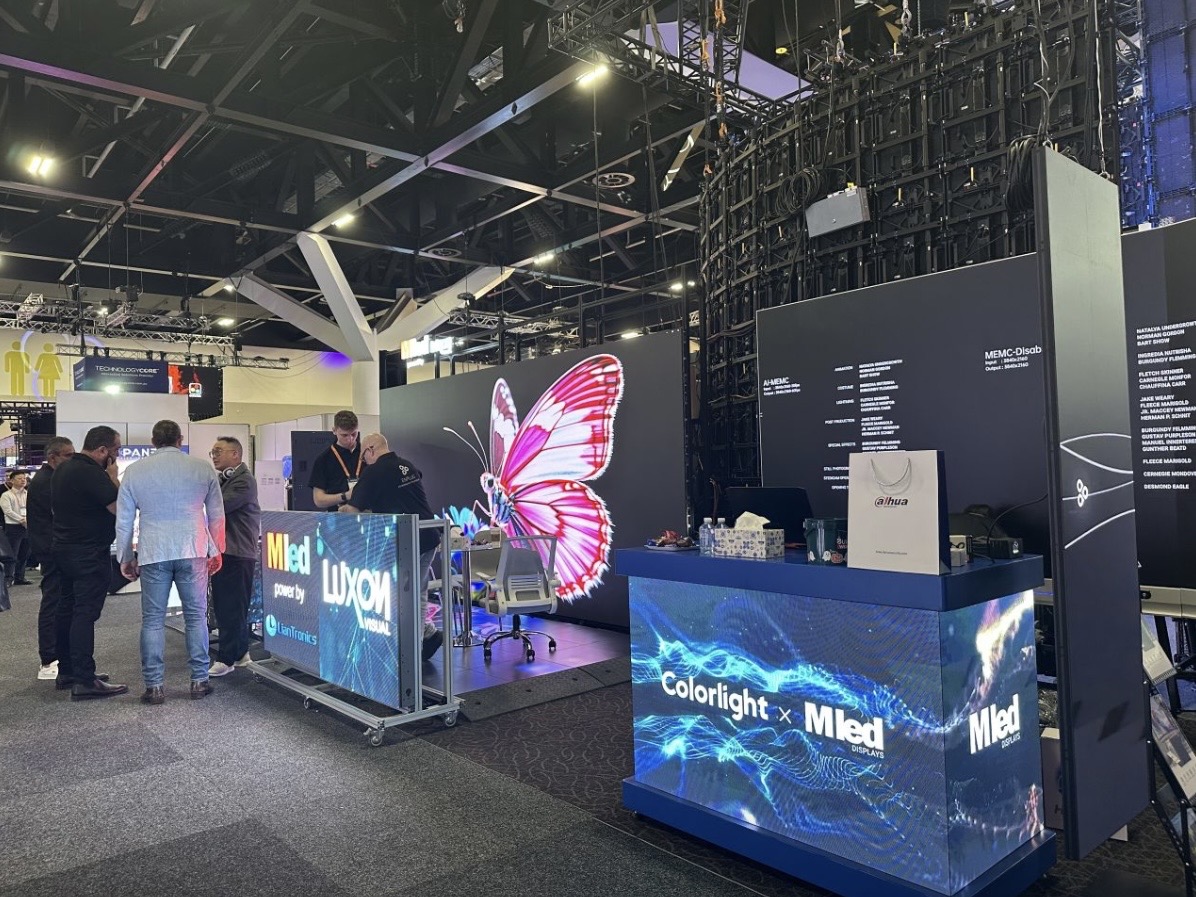
Ask us for the structural load data and the support for your LED display installation.
Request Load DataChat on WhatsApp