By David
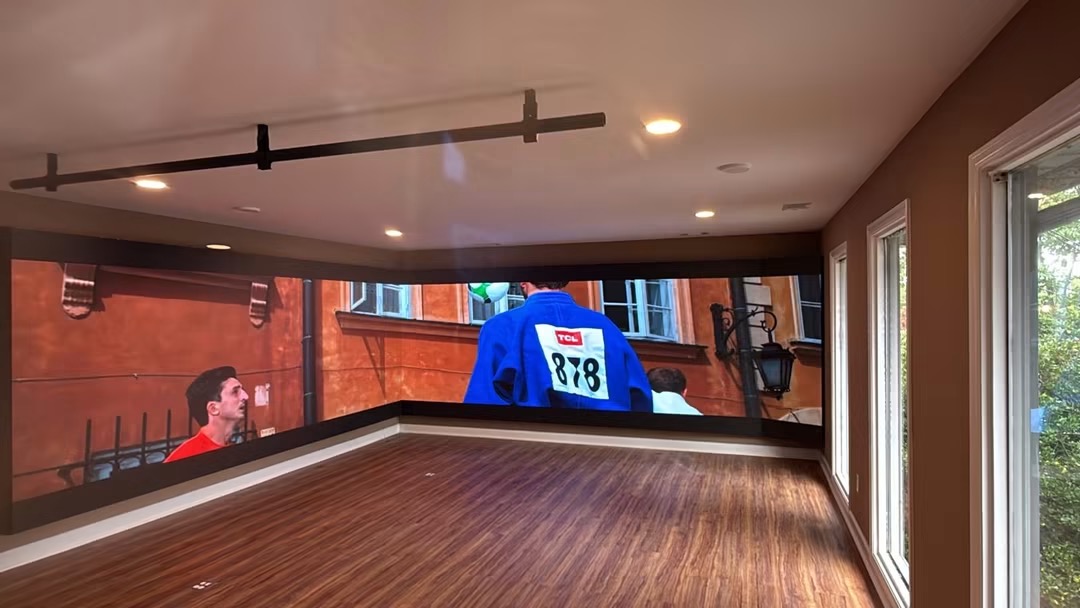
What is led display playlist scheduling? Led display playlist scheduling is the building of the playlist and the timeline that decide the order and the time of the content on the screen. The good schedule keeps the content relevant. This 2026 guide explains it.
The playlist is the ordered content with the duration for each item. The right duration keeps the pace, so the content is not the too fast or the too slow. The buyer should set the durations for the content type, so the audience reads and the screen stays the fresh.
The playlist should also avoid the gaps and the repeats. The empty slot shows the black or the default, and the unintended repeat annoys. The operator should build the playlist with the fill, so the screen always shows the intended content, the whole day and the whole loop.
| Element | What It Sets | Use |
|---|---|---|
| Order | The sequence | The flow |
| Duration | The time per item | The pace |
| Loop | The repeat | The continuous screen |
| Fill | The default | No blank slot |
| Time | Content |
|---|---|
| Morning | The breakfast and the news |
| Midday | The lunchtime |
| Evening | The dinner |
| Night | The late content |
The timeline ties the playlists to the time and the date, so the screen shows the right content at the right moment. The dayparting splits the day, so the morning, the noon, and the night have the different content. The timeline makes the screen the relevant through the day.
The buyer should plan the dayparts around the audience, so the content suits the people present. The rush-hour screen, the lunchtime screen, and the evening screen differ. The planned dayparting serves the audience at each time, not the samed content to the different people.
The priority rules decide which content wins when the items overlap, such as the live event or the emergency message. The clear priority puts the important content on the screen, so the message is the seen. The operator should set and test the priority, so it works at the event.
The live and the scheduled content also need the balance, so the schedule resumes after the live. The rules handle the return, so the screen goes back to the playlist. The clear rule for the live and the scheduled keeps the screen the coherent, whether the event or the routine.
The screen's clock and the time zone should be right, or the scheduled content plays at the wrong time. The buyer should set the time zone and the daylight saving, so the schedule is the correct. The wrong clock is a common and the quiet error, which the test catches.
The clock also syncs the fleet, so the screens across the sites show the same content at the same time. The buyer should confirm the sync, for the simultaneous campaign. The synced clock makes the multi-site screen the coordinated, from the store to the station and the whole network.
The playlist should be tested before the live, so the order, the duration, and the priority work. The test catches the gap, the wrong file, and the failed push. The buyer should test the full schedule, not only the single item, so the whole day runs the correct.
The test should also cover the fallback and the fault, so the screen behaves well when the network or the player fails. The tested schedule gives the confidence, so the screen runs the whole day and the night without the surprise, and the operator is not the on-call for the manual fix.
The common mistakes are the empty screen, the repeating content, the wrong time zone, and the missing priority. Others include the untested playlist and the no fill. Each weakens the screen, so the buyer should build the schedule with the fill, the timeline, and the test.
The remedy is to build the playlist with the durations, the timeline with the dayparting, the priority, and the fill, and to test the playback. The good scheduling keeps the screen the relevant and the fresh, so the audience sees the right content at the right time.
The playlist should mix the content types, so the screen is not the monotonous and the audience is engaged. The video, the image, and the text each play the role. The buyer should build the mix, so the screen holds the attention and the message is the clear.
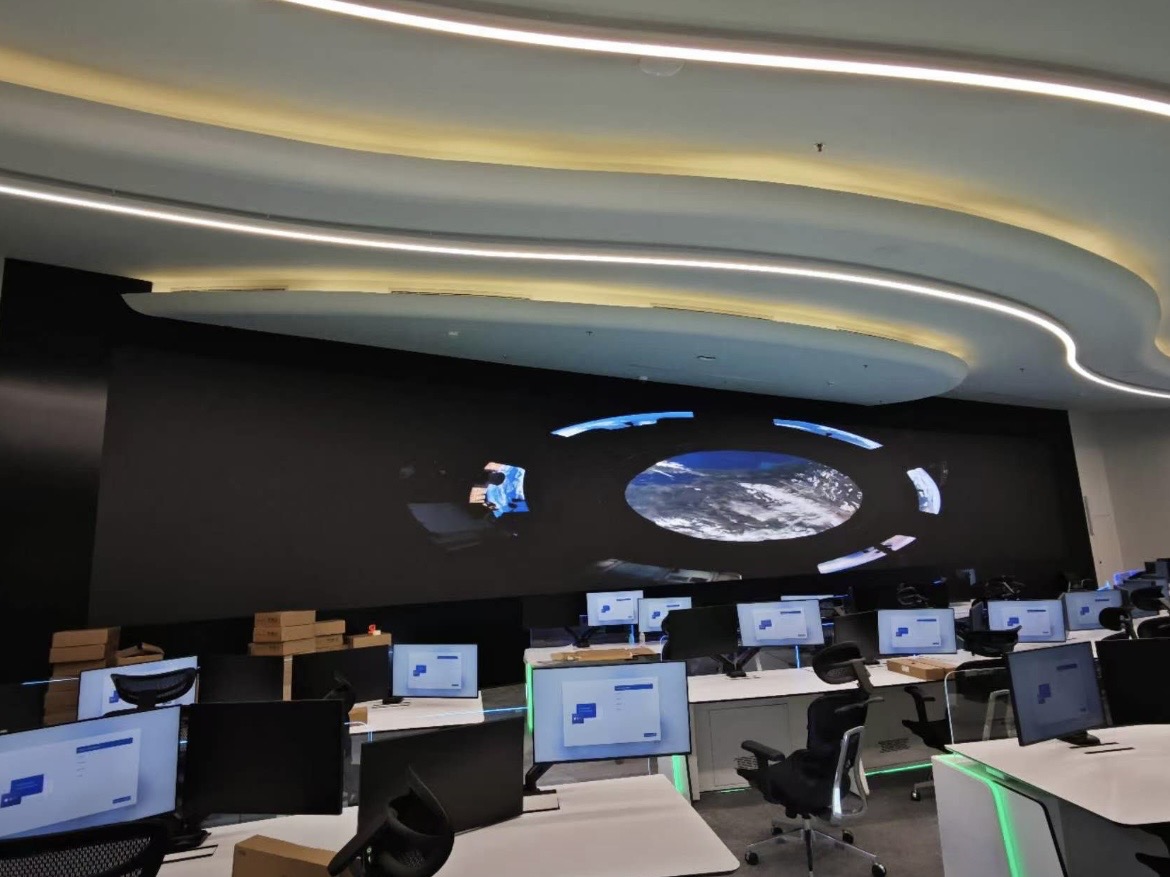
The mix also depends on the screen's role: the advertising screen needs the variety, the wayfinding the clarity, and the control room the data. The buyer should match the mix to the role, so the screen serves its purpose, not only the plays the content the randomly.
The scheduling should suit the audience present at each time, so the content is the relevant. The buyer should know the audience and the daypart. The audience-based schedule serves the people at the moment, which is more effective than the same content through the day.
The audience also changes with the events, such as the sale or the holiday, so the schedule should adapt. The buyer should plan the special schedule for the event. The adaptive schedule keeps the screen the relevant through the calendar, not only the typical day and the roster.
The scheduling can use the rules, such as the play the sponsor content every third slot, so the manual work is less. The rules automate the build. The buyer should use the sensible rules, so the schedule is the automatic and the correct, and the operator is not the rebuild the playlist the daily.
The automation should also allow the override, so the urgent or the special content plays. The clear override keeps the control. The automated schedule with the override gives the efficiency and the flexibility, so the screen is the current and the operator is not the overwhelmed by the routine.
The playlist affects the screen's life, because the static content ages the pixels unevenly, as the burn-in guide explains. The moving content spreads the load. The buyer should include the motion, so the screen ages the evenly and the ghost is the avoided.
The playlist should also rotate the bright elements, so no pixel carries the same load. The buyer should plan the rotation. The life-aware playlist protects the screen and the extends the service, which the static playlist would the shorten with the burn-in and the uneven aging.
The playlist should allow the emergency message, which overrides the schedule. The clear emergency path lets the operator post the urgent content fast. The buyer should define it, so the screen can warn the public when it matters.
The emergency path should be the tested, so it works at the event. The operator should know the procedure. The tested emergency path gives the confidence, so the screen serves the public safety and the urgent need, not only the routine content and the advertising.
The playlist and the log prove what the screen showed, which matters for the advertising and the contract. The buyer should keep the proof of play. The recorded playlist shows the content played, so the advertiser and the owner can verify the campaign.
The proof also supports the billing, because the advertiser pays for the airtime. The buyer should export the log. The proof-covered playlist makes the operation the accountable, and the advertiser trusts the screen because the record shows the content and the time and the result.
The led display playlist scheduling builds the playlist and the timeline that decide the order and the time of the content. Build the playlist, the dayparts, and the priority, and test the playback, so the screen is the relevant.
Operators who schedule well keep the screen fresh and the content relevant. The scheduling is the daily work, and the good one makes the screen the useful through the day and the whole week and the campaign.
Ask us about the playlist and the scheduling for your LED display content.
Request Scheduling GuideChat on WhatsApp