By David
What makes an LED display work in a hotel lobby? An LED display hotel lobby feature must look like part of the design, not a screen bolted to the wall. It must suit the space, the lighting, and the brand, and it must run quietly and reliably for years. This 2026 guide explains how to choose and specify a lobby LED screen.
A hotel lobby is a design space as much as a functional one. Guests form an impression in the first seconds, and a screen that looks wrong ruins the effect. An LED feature screen can transform a lobby, but only if it is chosen with the interior, the lighting, and the brand in mind.
This guide is written for hoteliers, designers, and project buyers specifying a lobby LED screen. It covers the aesthetic choices, the brightness and content that suit a hospitality space, and the practical factors that keep the screen running quietly.
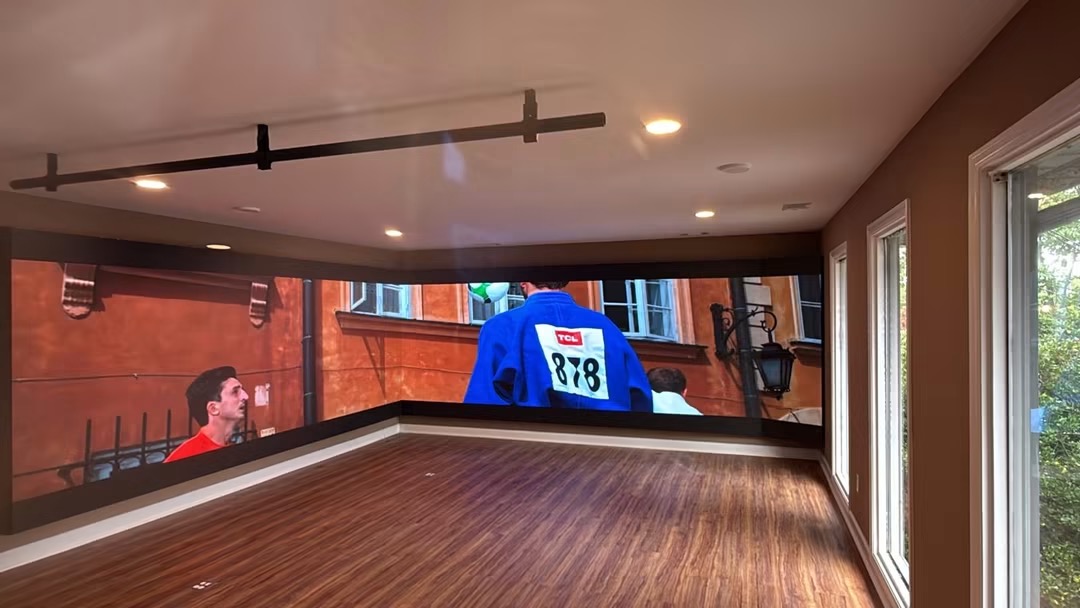
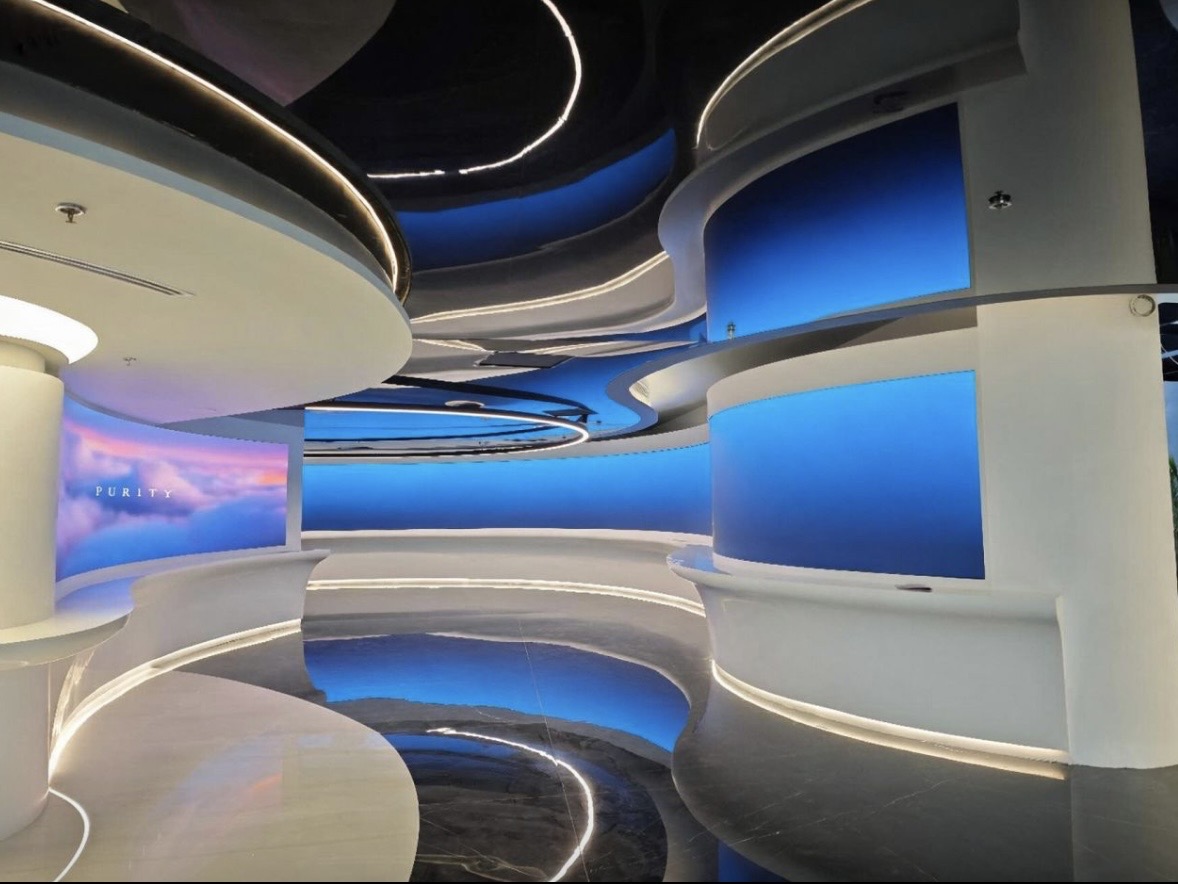
In a lobby, the screen is part of the architecture. It may be a feature wall, a column wrap, a ceiling element, or a subtle information screen behind the reception desk. The design intent decides the screen's shape, size, finish, and content style.
| Lobby Feature | Design Role | Screen Choice |
|---|---|---|
| Feature wall | Focal point | Large fine pitch, seamless |
| Column wrap | Architectural detail | Curved or flexible panels |
| Reception backdrop | Functional and branded | Medium pitch, low brightness |
| Ceiling feature | Atmospheric | Custom shapes, dimmable |
| Information screen | Wayfinding and comfort | Small, high brightness |
The screen's finish matters as much as its image. A cabinet colour and surface that match the interior make the screen feel built-in; a mismatched one looks added on. Provide the finish specification with the drawings so the screen and the interior are designed together.
Hotel lobbies are usually softly lit, and the screen should match. A screen at advertising brightness overwhelms a quiet lobby and looks aggressive. Hospitality brightness is lower, with smooth dimming for evening, and content that is calm rather than loud.
Match the screen's colour temperature to the lobby lighting. A warm lobby with a cool screen looks disjointed. Setting the screen's white point to suit the interior makes the content feel part of the space rather than a glowing rectangle in it.
Lobby content is usually calm: art, brand imagery, gentle motion, or subtle information. Loud, fast, or commercial content looks out of place in a hospitality space. The content should reinforce the brand and the mood, not compete with them.
Design the content for the viewing distance and the dwell time. Guests pass through the lobby quickly, so the content should read in a few seconds. Long, detailed sequences are wasted on people who glance at the screen while walking to the lift.
A lobby is a quiet space, and screen noise is a problem. Fans that are fine in a control room can be intrusive in a lobby. Cooling should be chosen for low noise, with passive designs where the brightness allows and quiet fans or remote cooling where it does not.
Consider locating the cooling equipment away from the lobby, with ducting to and from the screen. This keeps the noise out of the guest area while still cooling the screen. Planning this at the design stage is far easier than retrofitting quiet cooling later.
A lobby screen must be serviceable without disturbing guests. Service access hidden behind the screen, or a design that allows a module to be swapped from the front, keeps maintenance quiet and unobtrusive. A screen that needs scaffolding in the lobby is a disruption to avoid.
Plan the mounting with the interior designer so the screen sits flush and the access is hidden. A screen that is built into a joinery surround looks intentional; one that is simply hung looks unfinished. The mounting is part of the design, and it should be agreed with the designer before the screen is ordered.
A lobby screen runs for many hours a day, often from early morning to late night. Reliability matters because a dark screen in a lobby is noticed by every guest. Choose a screen built for continuous use, with quality components and good cooling.
| Factor | Lobby Requirement | Why |
|---|---|---|
| Duty cycle | Long hours daily | Runs from morning to night |
| Noise | Very low | Quiet guest environment |
| Reliability | High | A dark screen is very visible |
| Service access | Hidden | Avoid disturbing guests |
| Finish | Matches interior | Looks built-in |
Keep spare modules and cards on site for a lobby screen, because a fault draws attention and should be fixed quickly. A small stock of batch-matched spares lets the hotel's team restore the screen without waiting for a shipment.
Write the specification with the design intent, the size and shape, the finish, the brightness and colour temperature, the noise limit, the content style, and the service access. Require a mock-up or a sample where the design is unusual, so the appearance can be confirmed before installation.
An LED display hotel lobby screen succeeds when it feels like part of the building. Buyers and designers who plan the screen with the interior, match the brightness and colour to the space, keep it quiet, and choose calm content get a feature that impresses guests instead of distracting them.
Beyond a feature display, a lobby screen often carries practical information: meeting room names, event schedules, wayfinding, and live flight or weather data. This content must be readable at a glance by guests who are walking past, which means large text and clear hierarchy rather than dense detail.
A screen that serves both a feature and an information role needs a layout that does both without clutter. A calm background with the information presented cleanly keeps the screen elegant while still useful. Cramming it with content destroys the design and the usefulness at once.
A lobby screen should be maintained without disrupting guests. Schedule service for quiet hours, keep spare modules on site, and design the access so a swap takes minutes rather than a scaffold. A screen that is serviced quickly and quietly stays looking right without intruding on the guest experience, which is exactly what a hospitality installation demands.
Keep the calibration data and the content files with the hotel's engineering records. When the screen is re-calibrated or a module is replaced, the record ensures the white point and brightness match the rest of the lobby. This keeps the feature looking intentional years after installation.
A lobby screen shapes the guest's first impression of the hotel. Content that suits the brand, presented at a comfortable brightness, tells guests they are in a considered space. Content that is loud, mismatched, or poorly timed tells them the opposite, however good the rest of the interior is.
| Brand Type | Screen Character | Content Style |
|---|---|---|
| Luxury | Subtle, seamless, warm | Art, slow motion, minimal text |
| Business | Clean, informative | Brand, schedules, live data |
| Lifestyle | Expressive, colourful | Brand imagery, gentle motion |
| Budget | Practical, clear | Information, promotions |
Align the screen with the brand from the start, rather than treating it as a generic display. The brightness, colour, content pace, and even the cabinet finish all carry the brand. A screen chosen to fit the brand becomes an asset; one chosen as an afterthought becomes a mismatch that guests notice without being able to say why. Getting the brand right at the design stage is what makes a lobby screen feel like it belongs.
Share your interior and lighting plan, and we will help specify a lobby screen that fits the space.
Request Lobby SpecChat on WhatsApp