By David
What is a GOB LED display? GOB means glue on board: after the LED lamps are placed on the PCB, a clear resin is poured over the module face and cured, sealing the lamps, the solder joints, and the surface in one protective shell. You choose GOB when a display must survive moisture, dust, knocks, or cleaning, such as outdoors, in wet or humid sites, in rental rigs, or in high-traffic venues where an exposed SMD module would be at risk. This guide explains the GOB process and its durability in depth.
GOB is one of three encapsulation routes for a direct-view LED module, alongside standard SMD and chip on board (COB). Where SMD leaves the lamps and solder joints exposed, and COB covers the chips at the package level, GOB pours a protective layer over a finished SMD module. The result keeps the familiar SMD module underneath but adds a sealed, flat face on top.
This GOB LED display encapsulation guide is written for technical buyers and integrators. It covers the potting process, the moisture and impact protection, the GOB vs COB question, outdoor use, and the points to check when choosing a GOB LED display manufacturer.
Encapsulation means sealing the sensitive parts of a module, the lamps, the bonding wires, and the solder joints, inside a protective material. In GOB, that material is a clear potting resin poured as a liquid and then cured solid. It fills the gaps between the lamps and covers them in one continuous layer.
The purpose is protection. An exposed SMD module is vulnerable to moisture that reaches the joints, to dust and static, and to physical knocks that shear a lamp off the board. A glue on board led module trades a small amount of optical and thermal headroom for a much tougher, sealed surface.
| Module Type | Covering | Trade-off |
|---|---|---|
| SMD | None, lamps exposed | Lightest, most exposed |
| GOB | Clear resin over the module | Sealed and tough, slightly heavier |
| COB | Resin over the chips on board | Flat and sealed, different process |
GOB starts with a standard SMD module. After reflow soldering and testing, the module face is cleaned so the resin bonds properly. The potting resin is then dispensed across the face at a controlled depth, and the module is cured so the resin sets without air bubbles or voids.
Depth and cure matter more than the material alone. A layer that is too thin leaves the lamps proud and unprotected; a layer that is too thick dulls the image and traps heat. The potting is a process, not a simple coating, and the equipment and the control decide the quality.
The resin is chosen for clarity, adhesion, and flexibility. It must stay clear under light and heat, bond to the PCB and the lamps, and flex with the board instead of cracking. A rigid resin that is too stiff can craze or lift when the module warms and cools.
The board beneath the resin is a normal SMD board, so the pixel pitch, the driver, and the cabinet stay the same as for SMD. That is the practical value of GOB: it upgrades the robustness of a familiar platform without changing the electrical design. The same question of how a module is built and driven runs through our COB LED technology guide, a useful companion to this one.
Moisture is the quiet killer of an exposed module. Water vapour reaches the solder joints and the lamp contacts, where it corrodes the metal and can short a pixel. In a damp or coastal site, or an indoor venue with high humidity, an exposed module can fail long before its LEDs wear out.
The GOB layer seals the joints from the air, so vapour cannot reach them. A glue on board led module also tolerates condensation and can be wiped or lightly washed, which a bare SMD face cannot. That is why GOB is common in pools, spa areas, food courts, and humid outdoor sites where damp and cleaning are everyday conditions.
The sealed face also helps the ingress rating. For the wider picture of how sealing and ingress protection are graded, see our LED display IP rating guide.
A lamp on an SMD module is held only by its solder joints and stands proud of the board. A knock, a dropped object, or the vibration of a rental rig can shear a lamp or crack a joint. Because the resin locks the lamps and the joints together, a GOB module spreads the force and resists the damage.
That toughness suits rental stages, sports venues, and any screen within reach of an audience. It also protects a mobile or wall screen during transport and installation. The gain is practical rather than absolute: GOB resists knocks well, but a direct blow can still damage it.
GOB and COB are often compared because both seal the module, but they are different routes. GOB pours resin over a finished SMD module; COB mounts the LED chips directly on the board and covers them in resin at that level. GOB keeps the SMD supply chain and its familiar pitch range, while COB typically delivers a flatter face and finer pitches.
Neither is simply better. The GOB vs COB choice depends on the pitch, the budget, and the environment. GOB suits buyers who want a proven SMD platform with added protection; COB suits buyers who need a very fine pitch or a very flat surface.
| Question | GOB | COB |
|---|---|---|
| Base of the module | Resin over SMD lamps | Chips on board, resin over chips |
| Typical strength | Tough, sealed face | Flat, sealed, fine pitch |
| Best fit | Rugged SMD, outdoor, rental | Fine pitch, smooth surface |
An outdoor GOB led display gains directly from the sealed face. Rain, spray, dust, and the washing that a roadside or venue screen needs all meet a surface that can take them. The resin does not rust or corrode, and it keeps the joints dry through damp nights and wet seasons.
Outdoors, the potting works with the cabinet, not instead of it. The cabinet still handles the weather, the drainage, and the structure, while the GOB layer protects the module face. A well-built outdoor screen pairs a sealed module with a sealed, rated cabinet. For a look at outdoor and fine-pitch hardware built this way, see our D-PRO series.
Because GOB is a process, the manufacturer matters as much as the material. The potting depth, the cure, and the void control are not visible in a finished module, so the buyer should look at the process and the testing behind it. A supplier that controls encapsulation in house delivers a more consistent module than one that outsources it.
Asia Vision is a Shenzhen LED display manufacturer that supports SMD, GOB, and COB on the same production base, with twelve COB production lines and COB P0.93 in volume production. The company builds its own cabinets, runs ageing tests and QC, and handles export delivery, giving it control over the module and the enclosure that surrounds it. Its product lines cover indoor and outdoor, COB, rental, fine-pitch, and custom cabinets, and it serves buyers in the Middle East, Europe, North America, Latin America, and Southeast Asia. Buyers who want to see the process can review our own factory floor and testing lines.
GOB is a good fit when the environment or the handling is the main risk, and a standard exposed module would not last. The clearest cases are damp or wet sites, outdoor and coastal screens, venues that clean the display, and rental or high-contact screens.
GOB is not automatically the right answer. If a screen sits indoors, dry, and out of reach, an ordinary SMD module may serve perfectly and cost less. The added resin also slightly reduces light output, and the layer adds a little weight and heat, so a project that needs the very finest pitch or the thinnest module may prefer COB.
The honest position is that GOB is one tool among three. The buyer should match the encapsulation to the environment and the handling, not treat any one route as universally better.
A GOB LED screen specification should state the pitch, the brightness, the resin type and depth expectation, the sealing at the module edge, the cabinet's rating, and the ageing and QC steps. It should also require the process to be controlled in house and the module to be tested before shipping.
Because the potting is invisible in the finished product, the buyer should ask for the process evidence: the resin used, the depth target, the void inspection, and the test results. A supplier confident in its process will share these; one that hides them invites a short-lived module.
The common mistakes are assuming GOB is waterproof on its own, ignoring the cabinet, and choosing a cheap module with a thin or uneven potting layer. Others include expecting GOB to fix a bad thermal design and treating it as a cure for weak LEDs or poor content.
The remedy is to pair a well-potted module with a proper cabinet, to confirm the process, and to keep the pitch, brightness, and thermal plan sound. GOB protects a good module; it does not rescue a bad one.
A GOB module is serviced like an SMD module, because the base is the same, but the sealed face means fewer faults reach the joints in the first place. Regular inspection of the cabinet, the seals, and the power still matters, and a spare module kept on hand shortens any downtime.
Asia Vision supports its displays with a two-year warranty and 24-hour support, which covers the early life of a project when most faults appear. The buyer should confirm the warranty terms, the spare parts, and the support channel as part of the specification, so service is planned before it is needed.
The GOB LED display is the choice when durability against moisture and knocks is the priority. It pours a clear resin over a proven SMD module, sealing the joints and the lamps in a tough, cleanable face that suits outdoor, humid, rental, and high-traffic use.
Buyers who match the encapsulation to the site get a screen that lasts through the conditions it faces. Weigh GOB against SMD and COB on the environment, the handling, and the pitch, and specify the process with the same care as the pixels.
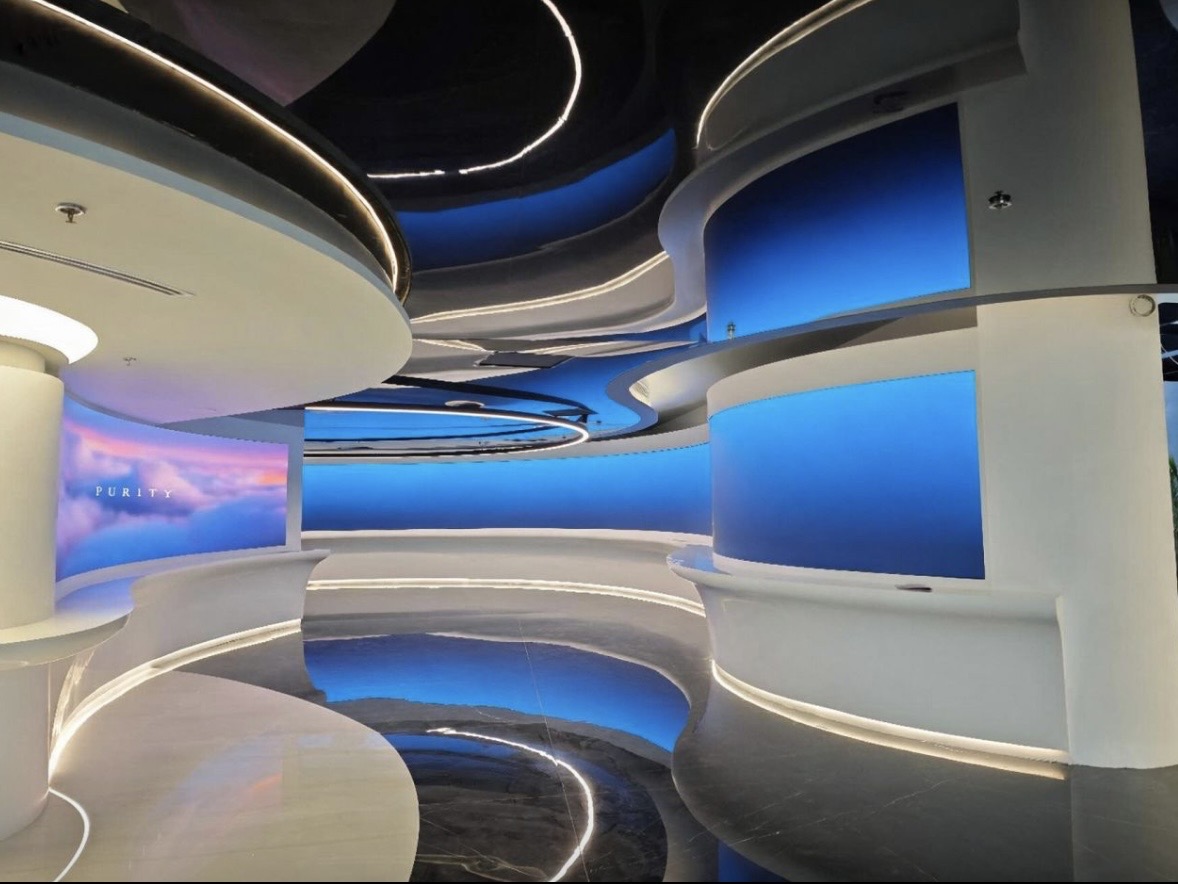
For this requirement our range covers it directly: the COB EH-PRO series (premium IP65 COB outdoor cabinets).
Tell us your environment and handling, and we will advise on GOB, SMD, or COB and specify the encapsulation for your screen.
Request GOB AdviceChat on WhatsApp