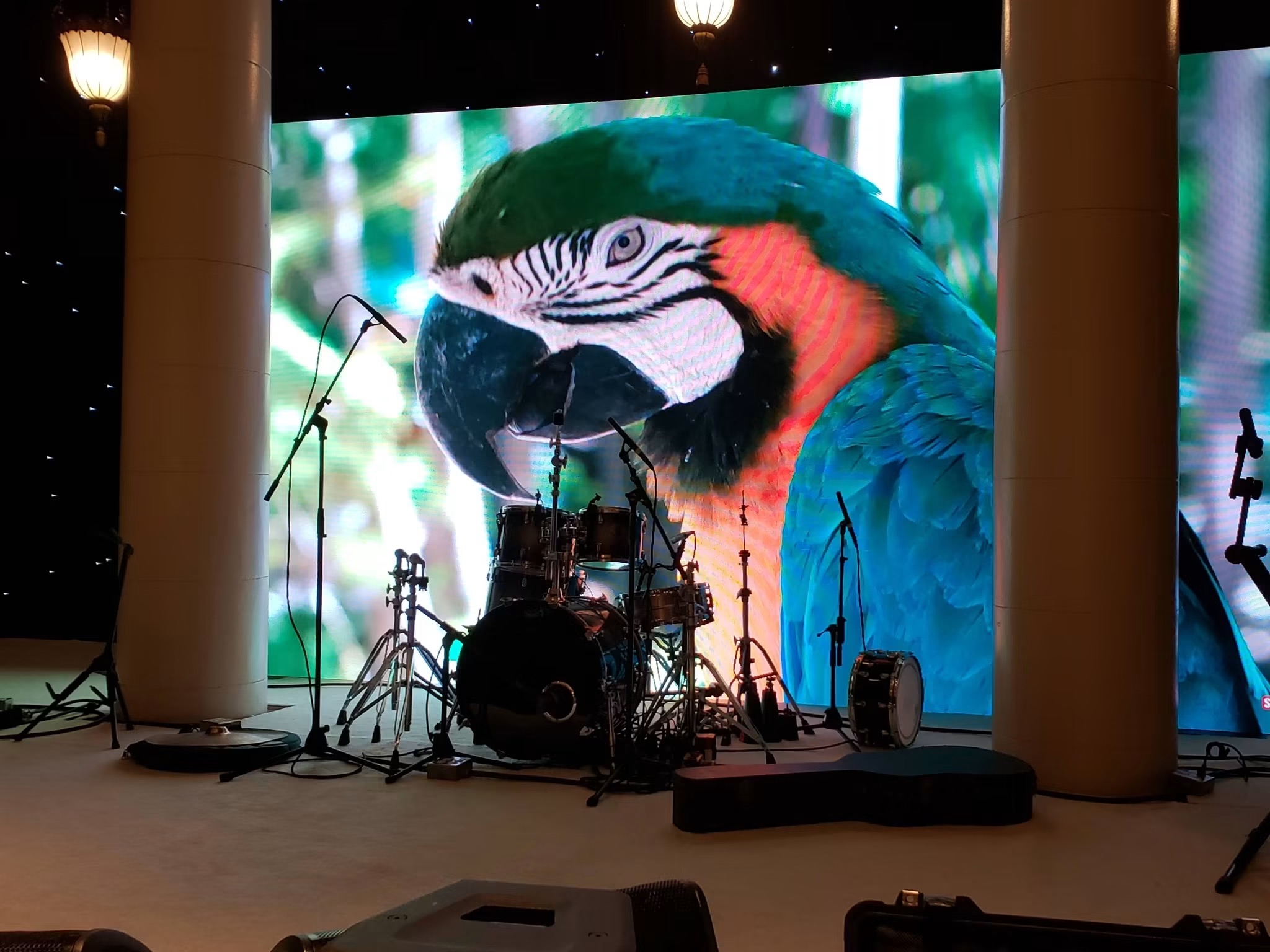
By David
What is a US event rental LED screen? A US event rental LED screen is a display built for repeated hire, erected and struck quickly by crew and returned to the warehouse between jobs. It must survive transport, weather, and constant handling across a large and varied market. This 2026 guide explains the cabinet, rigging, and fleet decisions involved.
A rental screen lives a harder life than an installed one. It is loaded, rigged, struck, and loaded again, sometimes several times a month, and it works outdoors in weather that varies from desert heat to coastal storms depending on where the job is.
A US event rental LED screen is therefore judged on setup speed, handling strength, weather protection, and spare parts availability more than on the finest pixel pitch, because a screen that takes an extra hour to build costs money on every job.
The cabinet is the unit of work in rental. A quick-lock cabinet with integrated rigging points builds faster and needs fewer loose parts than a bolted design. Every minute saved per panel multiplies across a large wall, and the labour saving over a season can exceed the price difference between cabinet types.
| Cabinet Feature | Rental Benefit | Priority For |
|---|---|---|
| Quick-lock mechanism | Faster build and strike | All rental use |
| Integrated rigging points | Fewer loose parts | Hanging screens |
| Reinforced corners | Survives repeated transport | Touring fleets |
| Front and rear service | Repair in tight spaces | Theatre and indoor work |
| Lightweight panel | Lower rigging load | Large walls and truss |
| Curved capability | Creative staging options | Concerts and brand events |
| Spare parts commonality | Fewer variants in stock | Fleet efficiency |
Standardise across the fleet where possible. A fleet built from one cabinet type and one driver family is far easier to support than a mixed fleet, because spares and training apply across every job. Variety feels attractive when quoting but costs money in the warehouse.
Rigging a rental screen in the United States means working within established entertainment industry practice, with certified riggers and documented load calculations. The load information belongs to the structure engineer, so the buyer must supply the panel weight, the wind area, and the fixing points.
Labor rules vary by state and by venue, and union requirements apply at many arenas and convention centres. Plan the crew structure for the venue rather than for a generic job, because a build that assumes a different labor arrangement can stall on the day.
The United States spans climates from desert to coastal storm, and a fleet working across regions meets all of them. A screen rated for light rain will fail at a wet outdoor festival, and a hastily applied cover rarely saves it. Choose an ingress rating that matches the worst conditions the fleet will meet.
Wind loading on a large suspended screen can be severe, and a screen that is fine in still air may need to be lowered or struck as gusts rise. Write a wind policy into the crew procedure, with a defined speed at which the screen comes down, and train the crew to follow it.
| Condition | Risk | Control |
|---|---|---|
| Heavy rain | Water ingress and corrosion | High ingress rating and covers |
| High wind | Panel movement and structural load | Wind policy and ballast plan |
| Desert heat | Thermal shutdown | High temperature rating |
| Cold nights | Condensation inside cabinets | Acclimatisation and ventilation |
| Dust at outdoor sites | Cooling path blockage | Cleaning after every event |
| Transport vibration | Loose connectors and damage | Crate design and corner protection |
Each control costs a little and prevents a failure that would cost far more. A US event rental LED screen that arrives at a festival with wet cabinets or a blocked cooling path will fail at the worst possible moment, and the reputation cost to the hire company is greater than the repair.
Rental economics depend on setup speed, and setup speed depends on trained crew. A team that has built the same cabinet a hundred times will beat an untrained team on every job, which is why fleet consistency pays twice. Standardise the fleet so the training is reusable.
Train crew on the failure modes as well as the build. A technician who can spot a failing power supply during a build can swap it before the show, while one who only knows how to assemble panels will discover the fault when the screen goes dark.
A rental screen earns money by being hired, not by being owned. The investment decision should compare the purchase price against the number of hires per year, the day rate the market supports, and the maintenance cost across the fleet. A screen that hires rarely but costs a lot to maintain is a poor investment however good it looks.
Account for the spare ratio. A rental fleet needs spare panels, spare power supplies, and spares of any part that fails on site, and those spares cost money without earning directly. A fleet with a realistic spare ratio loses fewer shows, while one with no spares risks a dark screen at a paid event, as covered in the spare parts guide and the field service guide.
Specify the cabinet type, the ingress rating, the refresh rate for camera work, the power consumption, and the spare parts package. Add the crew training and the crate design, because both affect how well the fleet performs. A US event rental LED screen is bought as a system, not as a panel.
Test the first cabinets on a real job before committing to a fleet order. Build times, handling, and weather behaviour show up in the field rather than in a showroom, and a trial job reveals problems while the order can still be adjusted, following the discipline in the quote comparison checklist.
A rental screen spends much of its life in transit, and the crate is the only thing protecting it. A purpose-built flight case with foam separation, corner protection, and labelled compartments costs more than a generic box and saves far more in damaged panels. The crate design is part of the fleet specification.
Label every compartment so crew can pack the same way every time, and keep a packing list fixed to the case lid. A case that is packed differently on each job loses parts and damages panels, and the loss is invisible until a build is short of one cabinet.
Hire rates must cover more than the panel cost. They have to absorb transport, crew time, maintenance, spares, and the depreciation of a fleet that is handled hard. A rate set below that level wins work that loses money, and a fleet that is busy but unprofitable fails quietly over a season.
Model the day rate from the annual fleet cost divided by the realistic number of hire days, then compare against the market rate. If the numbers do not work, the answer is usually a different cabinet choice or a smaller fleet, not a lower price.
A US event rental LED screen earns its return through utilisation, so a cabinet that builds faster and survives more shows is worth more than a cheaper one that fails early.
For a US event rental LED screen fleet, the spare ratio is a business decision rather than a technical detail, because a dark screen at a paid event costs far more than the spares that would have prevented it.
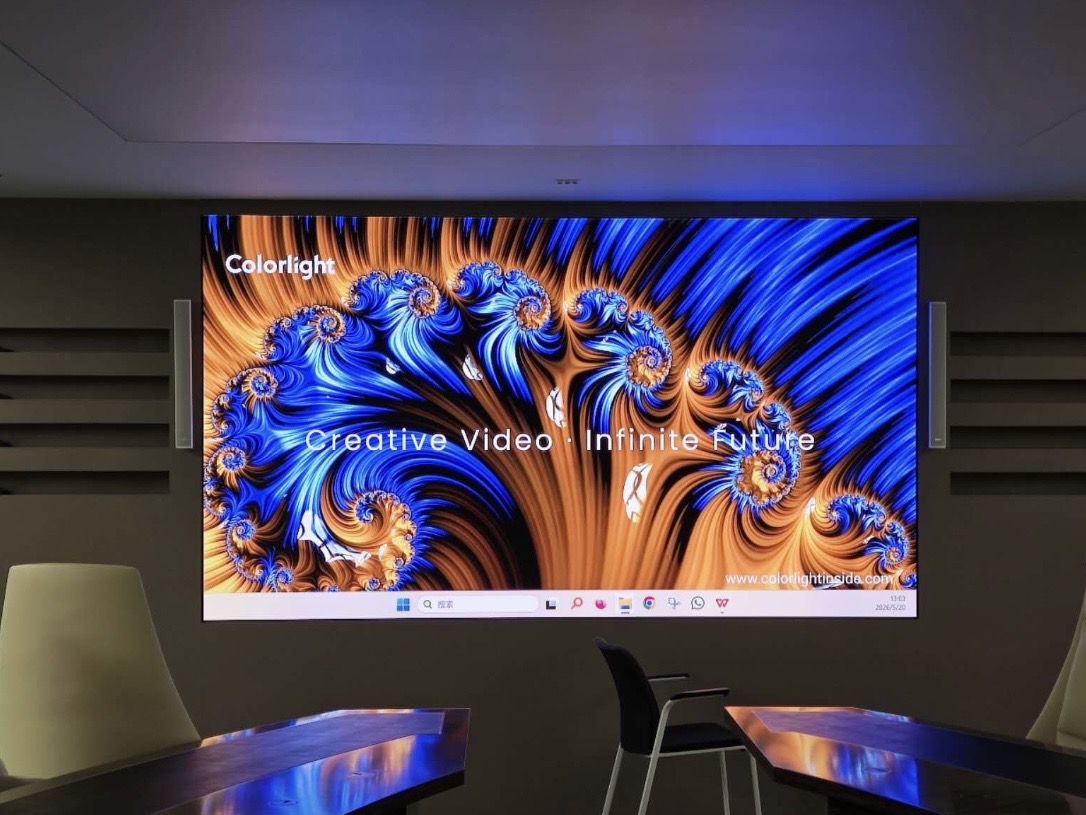
Tell us your event types and site conditions, and we will propose cabinets, spare ratio, and crew training.
Request Fleet SpecChat on WhatsApp