By David
What is led display field service? Led display field service is the on-site work that fixes a screen, from the diagnosis to the part swap and the test. The good service restores the screen fast and builds the customer trust. This 2026 guide explains it.
The field service is the on-site work that fixes the screen: the diagnosis, the part swap, the calibration, and the test. The good field service restores the screen fast and leaves it the correct, so the operation resumes the quickly. The service is the practical side of the maintenance.
The field service may be the routine, such as the scheduled visit, or the reactive, such as the fault call. The buyer should plan both, so the screen is the covered. The planned field service turns the fault into the managed event, not the crisis at the venue.
| Service | When | Output |
|---|---|---|
| Scheduled | The interval | The serviced screen |
| Reactive | The fault call | The restored screen |
| Emergency | The event | The fast fix |
| Commissioning | The install | The working screen |
| Visit | Outcome |
|---|---|
| First | Common fix |
| Second | The rare part |
| Remote | The simple |
| Scheduled | The routine |
The field service starts with the fault: the symptom, the diagnosis, and the cause. The trained technician follows the order, the power, the signal, the module, and the source, so the fault is the found fast. The systematic approach beats the random the part swap.
The service should also record the fault and the fix, so the pattern is the visible. The record shows the recurring issue, which the maintenance or the design change addresses. The documented fault turns the single repair into the learning, so the screen is the more reliable.
The field service depends on the spares, because the fix needs the part. The technician with the right spare restores the screen the quickly; without it, the fault waits. The buyer should connect the service and the spares, so the field visit is the effective.
The service van should carry the common parts, so the first visit fixes the common fault. The rare part may need the second visit, but the common is the on-site. The stocked van makes the field service the fast, which the customer and the operation need.
The field service needs the trained technician, because the LED screen has the specific skills. The training covers the diagnosis, the swap, and the calibration. The buyer should ensure the skills, so the field service is the competent, not the guesswork at the customer's site.
The technician should also carry the tools: the spares, the meter, the calibration device, and the ESD protection. The prepared technician works the fast and the safely. The buyer should equip the van and the team, so the field service is the professional and the reliable.
The field service is the face of the supplier, because the technician meets the customer. The professional, the courteous technician builds the trust, while the poor one damages it. The buyer should prepare the team, so the field service is the positive experience.
The service should also inform the customer, so the expectation is the right. The clear communication about the fault and the fix keeps the trust. The informed customer is the satisfied, even when the fault, because the service was the professional and the clear.
The common mistakes are the untrained technician, the missing spares, the no record, and the poor communication. Others include the random the part swap and the skipped the calibration. Each extends the fault or the damages the trust.
The remedy is to train the team, equip the van, follow the diagnosis, record the fault, and communicate. The good field service restores the screen fast and builds the relationship, so the fault is the small event and the customer the loyal.
The field service may be the scheduled or the on-call. The buyer should plan both, so the routine and the fault are the covered. The scheduled service prevents the fault, and the on-call fixes the surprise. The two together keep the screen the reliable and the supported.
The schedule should also match the SLA, so the response time is the met. The buyer should align the field service with the service level, so the expectation is the clear. The aligned service delivers the promised response, so the customer and the operation are the supported.
The remote support can resolve the simple issue before the visit, such as the setting or the connection. The buyer should use the remote first, so the field visit is the saved for the real fault. The remote support makes the field service the efficient.
The remote also guides the on-site staff, who may fix the simple issue with the help. The buyer should train the local staff for the first line. The layered support, the remote and the local and the field, resolves the fault the fastest at the lowest cost.
The field service involves the electrical work and the working at height, so the safety matters. The technician should follow the safe practice, with the lockout and the PPE. The buyer should ensure the safety, so the service is the done without the injury.
The safety also covers the site, such as the traffic or the public. The technician should secure the area. The buyer should plan the safety, so the field service protects the team and the public and the screen, whatever the site and the height and the conditions.
The field service should produce the report, with the fault, the fix, and the recommendation. The report informs the customer and the maintenance. The buyer should require it, so the service is the documented and the traceable at the site.
The report also supports the warranty and the future, because it shows the work and the parts. The buyer should keep it. The documented field service turns the visit into the record, so the screen's history is the complete and the customer the informed.
The field service should return the failed parts for the warranty and the analysis, as the RMA guide explains. The buyer should require the return. The returned parts support the claim and the root cause, so the service feeds the improvement.
The parts should be packed and the labelled, so the return is the clean. The buyer should plan it. The careful return supports the warranty and the supplier, and it completes the field service, from the diagnosis to the part and the record and the fix.
The field service data should inform the improvement, because the faults and the fixes show the pattern. The buyer should review the data, so the recurring issue is the addressed. The field service becomes the learning, not only the repair.
The improvement may be the maintenance, the design, or the component, as the failure analysis guide explains. The buyer should act on the pattern. The field service, with the review, improves the screen the continuously, so the faults the fewer with the time and the data and the change.
The field service should have the escalation, for the fault the first visit cannot fix. The buyer should define it, so the second level is the ready. The clear escalation avoids the delay, and the fault is the fixed by the right person at the right time.
The escalation should also include the factory, for the design or the component issue that the field cannot solve. The buyer should plan the path. The complete escalation resolves the fault at the right level, so the screen is the restored without the endless the visits.
The field service should collect the data, such as the fault, the fix, and the environment. The buyer should require it, so the pattern is the visible. The data informs the maintenance and the design, so the field service feeds the improvement.
The data should be the shared with the supplier, so the product improves. The buyer should send it. The shared data helps the supplier and the buyer, and the field service becomes the source of the reliability, from the single fault to the fleet's improvement over the years.
The led display field service is the on-site work that fixes the screen, with the diagnosis, the spares, the skills, and the communication. Plan the team and the van, so the fault is the fast fixed.
Owners who plan the field service fix the faults fast and keep the customers. The field service is the practical support, and the good one restores the screen and the builds the trust at the customer's site.
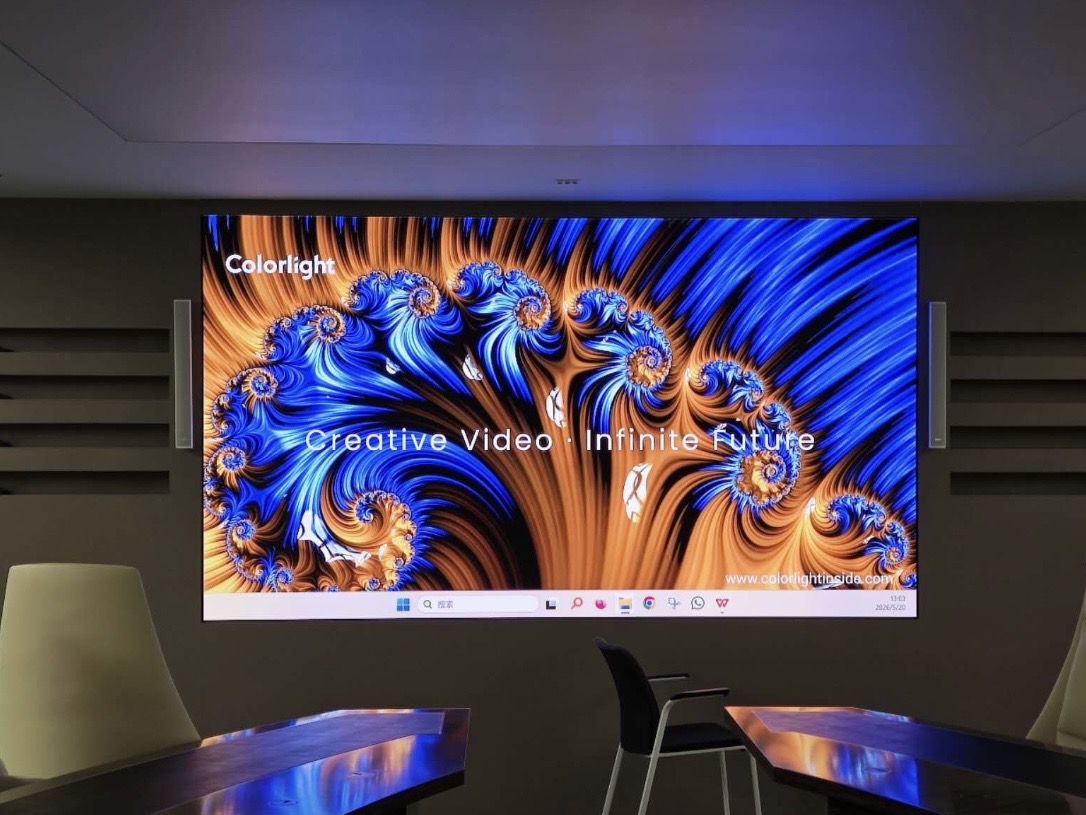
Ask us about the field service skills, the spares, and the support for your LED screens.
Request Service GuideChat on WhatsApp