By Cassie
What does a Switzerland LED display importer need to know? Importing LED displays into Switzerland means clearing goods through Swiss customs, which sits outside the EU customs union, and confirming the CE compliance position that Swiss practice follows. This 2026 guide explains each step.
Switzerland is a high-value market for professional LED displays, with demand from retail, finance, culture, transport, and events. Although Switzerland is not in the EU customs union, its product regulation aligns closely with European practice, which simplifies the compliance route.
A Switzerland LED display importer who confirms the customs and compliance position in advance clears cargo without difficulty. The distinction that catches buyers out is that Swiss customs is a separate territory from the EU.
A Switzerland LED display importer needs an EORI-equivalent registration, and goods are declared to the Swiss customs administration. Switzerland is outside the EU customs union, so a shipment cleared in an EU member state must still be declared again on entry to Switzerland.
Duty depends on the commodity code and the origin of the goods, and import VAT is charged at the Swiss standard rate. Confirm the rate for the specific code rather than assuming the EU treatment applies.
| Step | What Is Required | Who Handles It |
|---|---|---|
| Importer registration | Registration with the customs administration | Importer |
| Customs declaration | Entry with commodity code and value | Importer or broker |
| Import VAT | Swiss standard rate on value plus freight | Importer |
| CE compliance | Product conformity aligned with EU practice | Supplier, verified by importer |
| Producer responsibility | Electronic waste obligations | Importer |
| German or French labelling | Market information in the local language | Supplier |
Import VAT is recoverable for a registered business, so the effect is on cash flow rather than on final cost. Plan the timing before a large order.
Swiss product regulation aligns closely with European practice, and LED displays generally require CE marking supported by a declaration of conformity and technical documentation. The marking covers the applicable directives, typically electromagnetic compatibility, electrical safety, and hazardous substance limits.
| Requirement | What It Covers | Evidence to Hold |
|---|---|---|
| CE marking | Product conformity | Declaration of conformity |
| EMC directive | Electromagnetic compatibility | EMC test report |
| Safety requirements | Electrical safety | Safety test report |
| Substance limits | Restricted materials | Supplier declaration and test data |
| Technical file | Supporting documentation | Datasheet, drawings, reports |
| German or French labelling | Market information | Product and packaging text |
Confirm the declaration and reports name the exact model being supplied. A file covering a different model in the same range does not satisfy the requirement.
Switzerland operates its own electronic waste regime, and an importer placing electrical equipment on the market carries responsibility for its end-of-life handling. Confirm the registration and reporting route before the first sale.
Confirm the position with a local compliance adviser, because Swiss requirements sit outside the EU framework even where the product standards align. The obligations are national rather than European.
Switzerland uses German, French, and Italian, and the required market language depends on the region where the goods are sold. For commercial installations, German covers most of the country and French covers the west.
| Document | Language Requirement | Consequence If Missing |
|---|---|---|
| Installation manual | German or French by region | Commissioning errors |
| Safety information | German or French by region | Compliance risk |
| Product labelling | Local market language | Customs or inspection query |
| Warranty terms | German, French, or English | Dispute over coverage |
| Technical datasheet | English usually acceptable | Limited impact |
| Packaging text | Local language where required | Clearance delay |
Confirm the language requirement at the order stage, and confirm which region the goods are destined for. Sending German documentation to a French-speaking site causes the same problems as sending none.
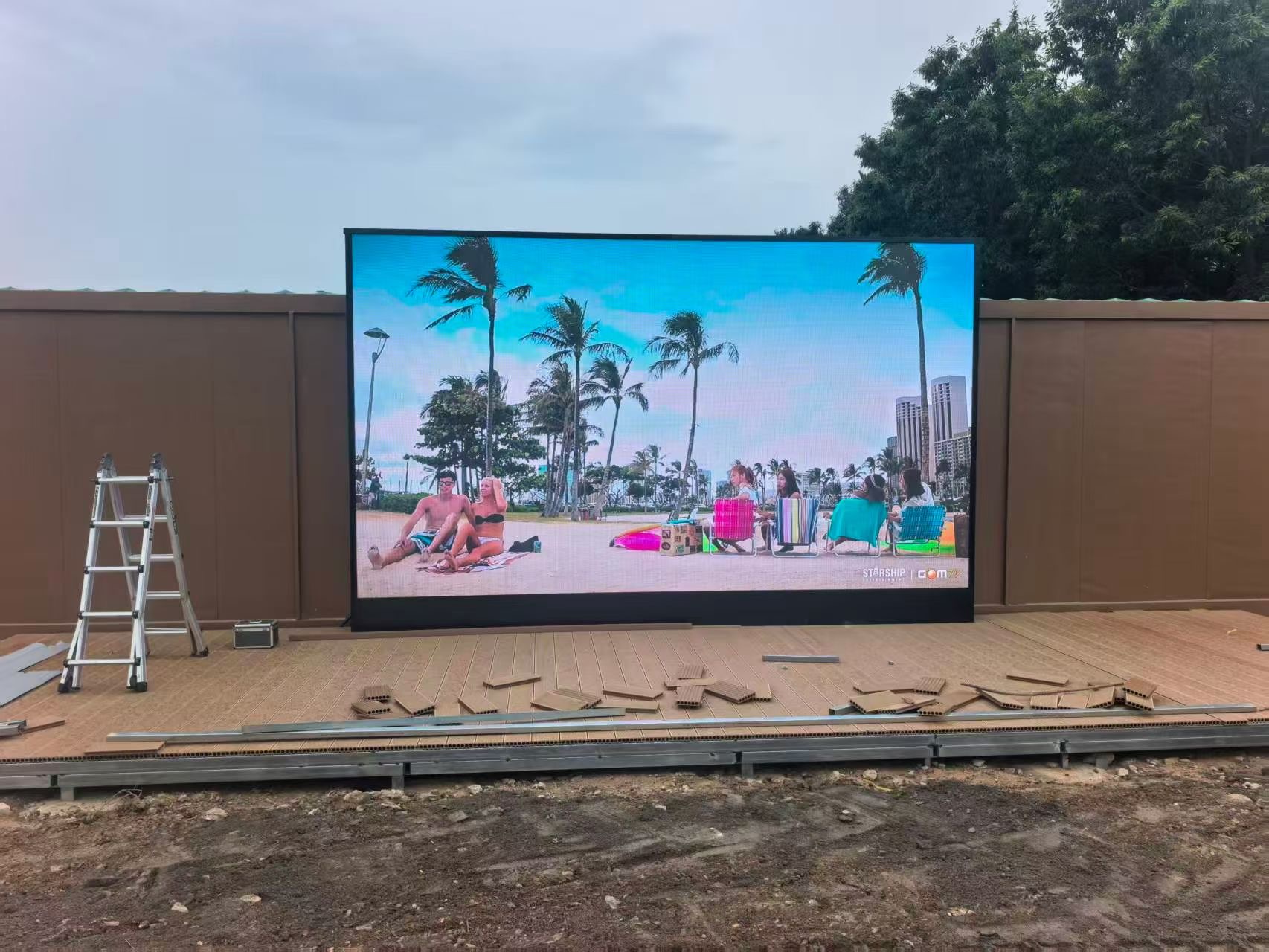
Switzerland has a temperate climate with alpine conditions in the south and east. Outdoor screens at altitude face cold winters, snow load, and significant temperature swings.
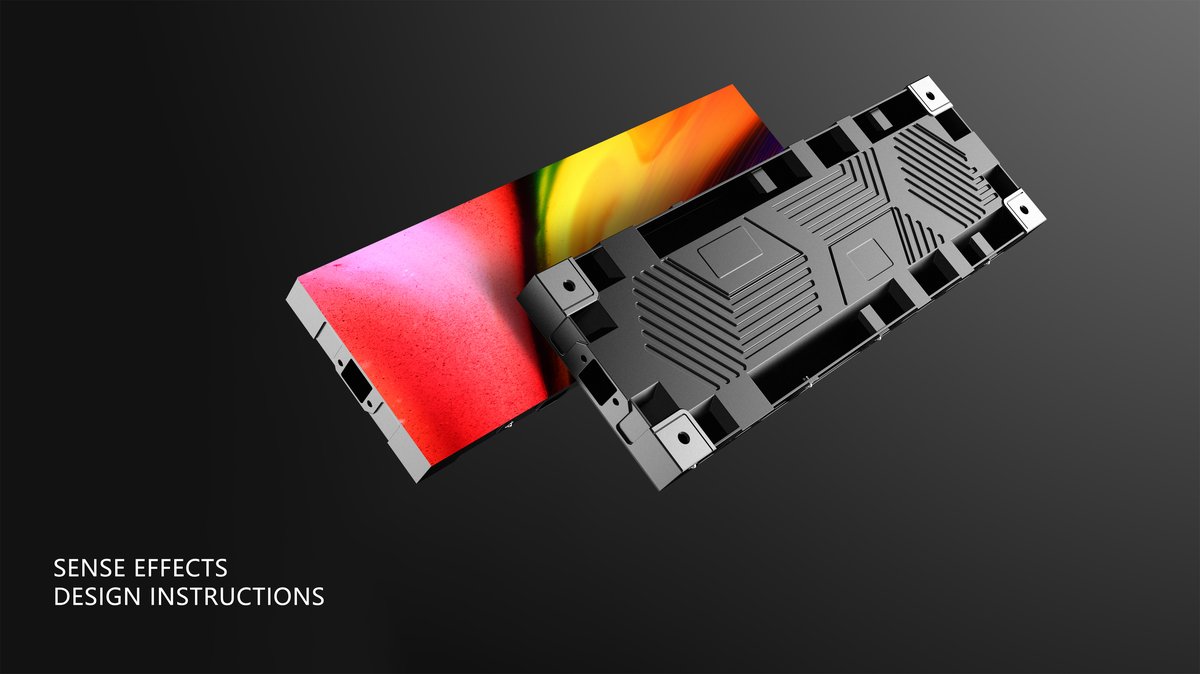
For Swiss sites, low winter temperatures make cabinet construction and sealing the deciding factors — the X Series uses standard 500×500mm cabinets with front/rear service, and the COB EF outdoor series is sealed against snow-melt and moisture ingress.
| Condition | Risk | Specification Response |
|---|---|---|
| Alpine winter cold | Thermal performance and cable stiffness | Cold-rated components and cables |
| Snow load at altitude | Structural load | Engineered mounting and load review |
| Temperature swings | Condensation inside cabinets | Acclimatisation and ventilation |
| Rain and snow | Water ingress | High ingress rating |
| Lake and valley humidity | Corrosion of connectors | Sealed cabinets and corrosion protection |
| Urban dust | Cooling path blockage | Filtration and cleaning schedule |
Where the site is at altitude, have the mounting design reviewed for wind and snow load. The structural requirement in the Alps is substantially greater than in a lowland city.
Ask every candidate the same questions and record the answers. For Swiss projects the compliance evidence, the documentation language, and the cold-weather specification matter as much as the price.
| Question | What a Strong Answer Looks Like | Warning Sign |
|---|---|---|
| Compliance documentation | Declaration and reports for the model | Certificate for a different model |
| Documentation language | German or French as required | English only |
| Cold-weather rating | Stated minimum operating temperature | Temperate ratings only |
| Spare parts availability | Stated period in writing | No commitment given |
| Service response | Stated time by fault severity | Answer avoided |
| Reference projects | References in the region | Logo list with no contacts |
Confirm the components in writing and require written approval for any substitution. A supplier facing a component shortage may change a part quietly, and the change only appears when the screens arrive.
Each mistake is inexpensive to avoid during planning and costly after the goods land. A Switzerland LED display importer who confirms the Swiss-specific requirements as well as the European ones avoids most of them.
Asia Vision Technology manufactures LED displays in Shenzhen and supplies importers, distributors, and contractors worldwide. The factory produces the compliance documentation Swiss importers need, supplies German or French documentation by region, and holds spare parts for the stated warranty period.
For Swiss projects the company supplies rental cabinets for events, fine pitch screens for retail and corporate work, and outdoor displays rated for cold and alpine conditions. OEM and ODM production is available for distributors building their own range.
Most importers use a customs broker to file declarations, and the choice matters where cargo has transited a European gateway before reaching Switzerland. A broker who understands the transit documentation as well as the Swiss entry keeps both stages aligned.
Give the broker the complete document pack before dispatch. A late or incomplete pack leads to a declaration that needs amending, and amendments cost both time and money for a Switzerland LED display importer.
Keep the entry record with the project file. When a warranty claim or an audit arises later, the same document shows how the goods were declared and what duty was paid, which resolves the question faster than reconstructing it.
Compliance in Switzerland is a joint exercise between the importer and the supplier, because the supplier holds the technical data and the importer holds the registration. Agree at the order stage which documents are needed and in which language, so the two stages do not hold each other up.
Ask for the compliance reports as electronic files. Electronic files can be forwarded to the broker and the authority immediately, while a paper copy posted from the factory adds days.
Confirm the electronic waste registration is complete before the first sale, because the obligation applies from the point the equipment is placed on the market rather than after delivery.