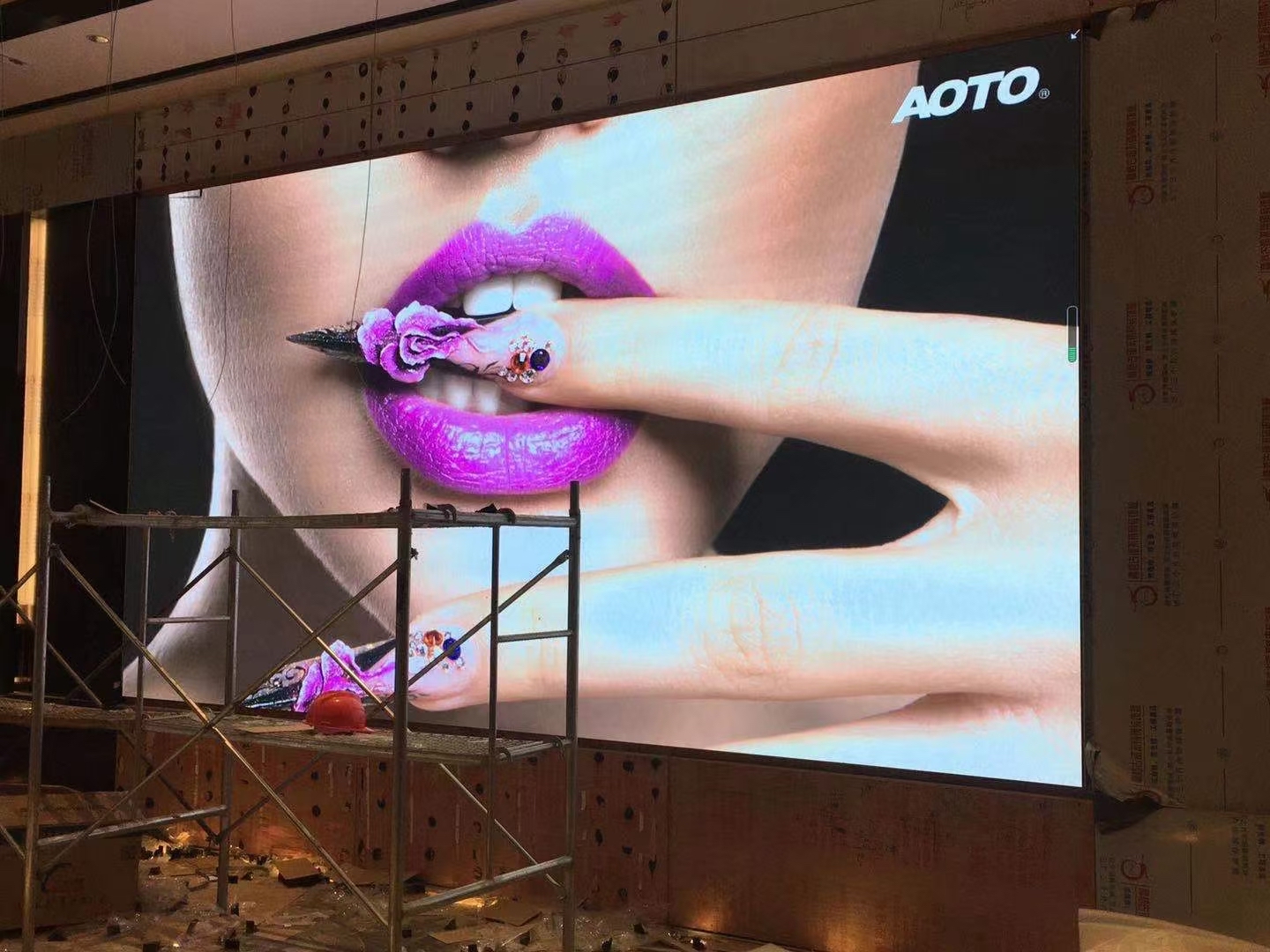
A nightclub sells intensity, and a large LED wall delivers it in a way that no projection or static decor can match. The screen is the room's centerpiece: it pulses with the music, changes color with the lighting rig, and turns a dance floor into an environment.
Unlike a retail screen, a club display runs in the dark. That inverts the usual specification: brightness is dialed down rather than up, contrast and black level drive the look, and content is built from abstract visuals and strobes rather than text and logos.
Durability matters more than most operators expect. A club screen runs long nights in a hot, humid room full of vibration from subwoofers, and a panel built for an office will not survive that environment for long.
This guide covers where LED displays belong in a club or bar, how to choose pitch and brightness for a dark, fast-moving room, and how to keep the show running night after night.
It also covers the control side, which is where clubs differ most from other venues: the screen has to respond to the DJ, the lighting desk, and the audio beat, all in real time.
Social media amplifies the investment. Guests film the wall and post it, and a striking LED surface becomes part of the venue's marketing in a way that decor never was. That reach is why clubs treat the screen as a brand asset with its own visual identity, not as a piece of AV equipment. A recognisable visual style travels further than any single night's show.
The main wall behind the DJ is the anchor. It is the largest surface in the room and the focal point for the crowd, so it usually carries a fine-pitch panel that can show detailed visuals without visible pixel structure from the dance floor.
Ceiling installations turn the whole room into a canvas. Panels mounted overhead are seen at an angle and from below, and they create an immersive effect that a wall alone cannot achieve.
Dance floor displays take the idea further. Floor-mounted modules are built into a reinforced, heavy-duty housing that carries foot traffic, and they need impact resistance far beyond a wall panel.
Bar and VIP area screens are smaller and more practical, showing drink menus, event listings, and branding, and they sit in a busier, brighter zone than the dance floor.
Column wraps and entrance tunnels use flexible modules that curve around structural elements, turning corridors and pillars into part of the light show instead of obstacles to work around.
Outdoor terraces extend the season. A covered smoking area, a rooftop bar, or a garden stage can carry an outdoor-rated wall that runs through the summer and stays sealed through the winter, letting the venue keep its identity consistent indoors and out. The DJ booth itself is sometimes wrapped, putting visuals directly behind the performer so the wall feels connected to the music rather than installed behind it.
| Club Area | Screen Type | Suggested Pitch | Brightness | Requirement |
|---|---|---|---|---|
| Main DJ wall | Indoor fine pitch | P1.9 - P3.9 | 800 - 1500 nits | High contrast, deep black level |
| Ceiling and overhead | Indoor, light weight | P3.9 - P6 | 600 - 1200 nits | Low weight, cable-managed |
| Dance floor | Floor-rated modules | P4 - P6.67 | 1000 - 1500 nits | Impact and load resistant |
| Bar and VIP area | Indoor fixed | P2.6 - P3.9 | 800 - 1500 nits | Menu text, branding |
| Entrance and column wrap | Flexible indoor | P2.6 - P3.9 | 800 - 1500 nits | Curved, shaped surfaces |
In a dark room, a small amount of light goes a long way. A club wall at 800 to 1500 nits is plenty, and content is usually run well below peak so that black areas stay black and the visuals do not flatten the room.
Contrast is the real specification. Deep black levels let lasers and moving heads cut through as separate layers rather than competing with a glowing gray screen, which is why high-contrast indoor products suit clubs better than high-brightness panels.
Pitch is set by the closest dancer. Someone standing two to three meters from the wall will see pixel structure on a coarse panel, so P1.9 to P3.9 keeps visuals smooth at that distance while staying cost-effective for a large surface.
Refresh rate is non-negotiable when the show is filmed. Clubs record sets and post clips, and a low-refresh panel shows bands and tearing on camera. Panels rated at 3840Hz keep the visuals clean on video and on the phones guests hold up all night.
Grayscale and frame rate matter for motion. Fast-moving abstract content on a low-bit-depth panel shows banding in gradients, so high bit depth and a high refresh keep transitions between colors smooth rather than stepped.
Audio-reactive content also rewards a low-latency signal path. If the visual response lags the beat by even a fraction of a second, the wall feels out of time with the music, so the media server and the audio feed should sit close together and be tested on site rather than assumed. Content resolution should match the panel as well, because up-scaling a low-resolution visual onto a fine-pitch wall looks soft, so clubs license or commission visuals at or near the native resolution of the screen.
| Closest Viewer | Suggested Pitch | Typical Nightclub Use |
|---|---|---|
| 1 - 2 m | P0.9 - P1.5 | VIP booth, bar backdrop, entrance detail |
| 2 - 4 m | P1.9 - P2.6 | Main DJ wall, dance floor edge |
| 4 - 8 m | P2.6 - P3.9 | Large club wall, ceiling feature |
| 8 - 15 m | P3.9 - P6 | High ceiling install, large venue wall |
| 15 m and beyond | P6 - P10 | Festival stage, outdoor club terrace |
Content in a club is driven by the music. A media server or control system takes an audio or MIDI signal and maps it to visuals, so the screen responds to the beat, the drop, and the tempo in real time rather than running a fixed loop.
Sync with lighting is the second layer. Timecode or a shared control protocol lets the LED wall and the moving lights run from the same cue list, so a change in the music triggers a coordinated change across the room.
Heat is the reliability risk in a club. Crowd heat, stage lighting, and the screens themselves all add load, and a sealed cabinet with poor airflow will derate or fail. Active cooling with temperature monitoring and automatic brightness limiting protects the wall on the busiest nights.
Vibration from subwoofers is a second risk. Cabinets, cabling, and connectors should be rated for continuous vibration, with locked connectors and mechanically secured modules, because a loose data connector shows up as a dark tile in the middle of a set.
Service access must work in a dark, crowded room. Front-serviceable modules let staff replace a tile from the dance floor side during the day, which is the only practical approach when there is no rear walkway behind the wall.
Preventive maintenance is cheap compared to a dark tile on a Saturday night. Cleaning the front surface, checking connectors, and testing power supplies on quiet weekdays catches most failures before they reach the floor, and a small stock of spare modules turns a potential disaster into a ten-minute fix. Dimming and thermal limits should be tested at full show levels, not at idle, because a wall that behaves perfectly at low brightness can derate under a long, loud set. Commissioning should include a run at realistic load with the temperature logged over several hours.
Asia Vision Technology builds indoor COB, flexible, and rental LED displays from P0.9 to P20, certified to CE, FCC, and RoHS, including panels selected for high contrast and vibration-heavy environments.
For clubs and bars we help specify pitch for the dance floor distance, plan cooling for a hot room, and integrate the screen with the venue's audio and lighting control. The X series rental cabinets use a 500 by 500 format for stages and touring shows. Orders ship in 15 to 20 working days with a 3-year warranty.
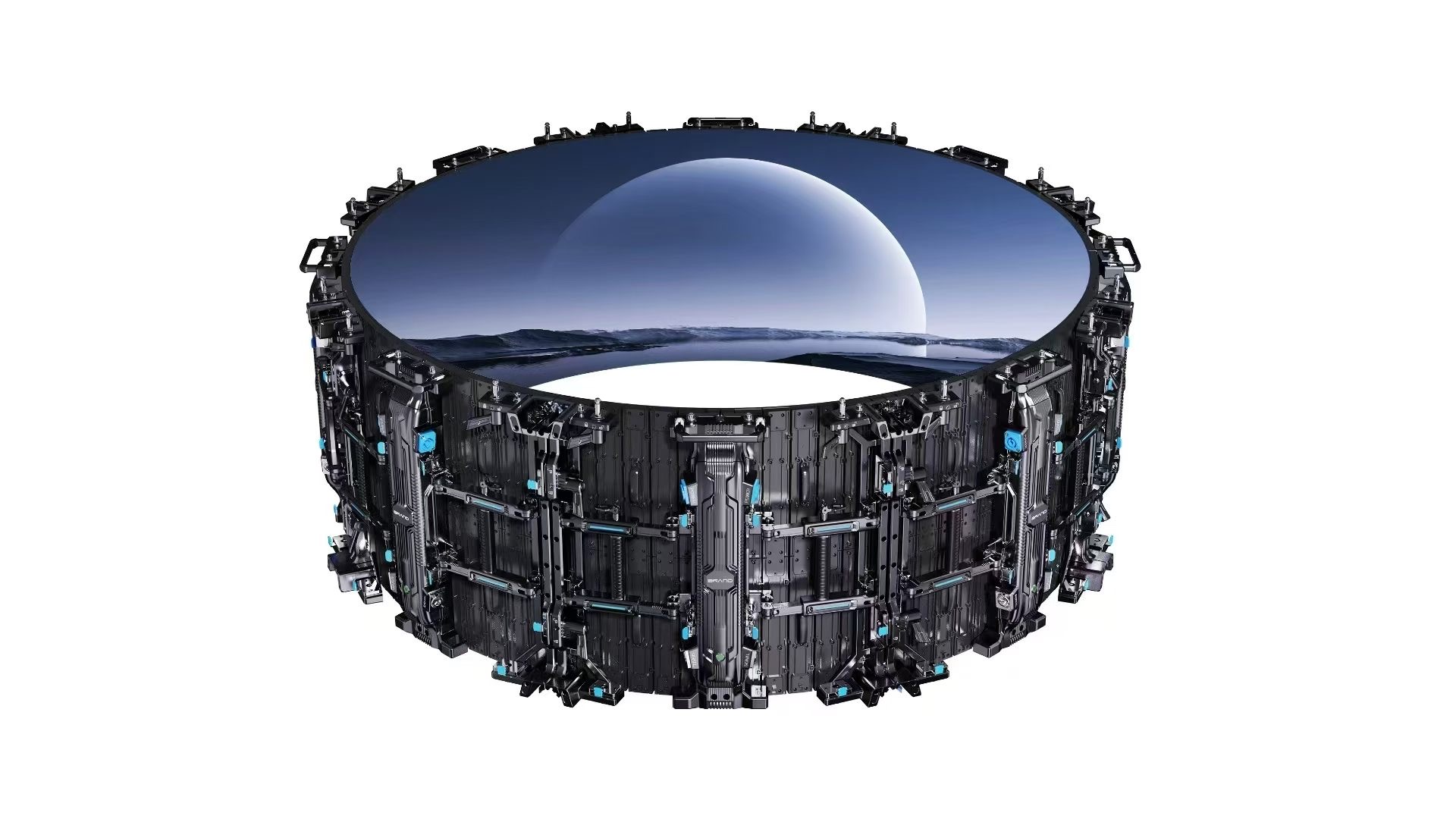
For this requirement our range covers it directly: the RH-PRO fine-pitch COB (flagship, full redundancy) and the COB CV-PRO series (Ultra-HD fine pitch).