
By David
What is an led display import license? An led display import license is a permit or registration that some countries require before certain goods can be imported. Whether it applies depends on the market and the product. This 2026 guide explains the requirement and the process.
Not every import needs a licence, but some do. A licence or a registration is a condition some countries place on certain goods. An LED display may or may not need one, depending on the market and the product. The check is part of planning the import.
This led display import license guide is written for importers. It explains when a licence is needed, the types, the process, and how to check the requirement.
A licence is often needed for restricted goods, such as those with security, health, or environmental implications. Some countries also require an importer registration for all commercial imports, regardless of the product. The requirement depends on the market.
An LED display is generally a standard electronic product, so it may not need a specific licence in many markets. But the importer may still need a trade registration or a tax number to import. The buyer should check both.
| Requirement | What It Is | Typical Market |
|---|---|---|
| Importer registration | Register to import | Most markets |
| Product permit | Permit for the goods | Restricted products |
| Standard certificate | Compliance certificate | Regulated products |
| Special licence | Licence for a category | Controlled goods |
| Requirement | When It Applies |
|---|---|
| Importer registration | Most commercial imports |
| Product permit | Regulated products |
| Compliance certificate | Electronics in some markets |
| Special licence | Controlled goods |
Many countries require an importer to register, often with the customs authority or the tax office. The registration gives the importer a number, which is used on the entry. A buyer without the registration cannot clear the goods.
The registration is usually obtained before the first import. The buyer should apply early, because the process can take time. The registration is the basic requirement, separate from any product licence.
Some products need a permit or a certificate for the market, such as a compliance certificate for electronics. The requirement depends on the product and the country. The LED display may need a certificate of compliance, as noted in the certification guides.
The buyer should confirm the product requirements before the order. A shipment without the required certificate can be refused entry. The certificate is separate from the importer registration, and both may apply.
The application is usually made to the customs authority or the relevant ministry, with the company documents and the product details. The process and the time depend on the market. The buyer should start early to avoid a delay at the shipment.
A customs broker can often handle the application as part of the entry. The broker knows the local requirements and the process. The buyer should ask the broker about the licences and the registrations before the first import.
The licence or permit is tied to the product and the importer. A change of product may need a new permit. The buyer should confirm the scope of the licence, so the goods are covered.
The permit may also have a validity period and require renewal. The buyer should track the renewal, so the import is not delayed. An expired permit is a common cause of a hold, as noted in the customs guide.
The common mistakes are assuming no licence is needed, applying too late, and letting a permit expire. Others include a licence that does not cover the goods and a missing importer registration. Each delays or blocks the import.
The remedy is to check the requirement early, apply in time, and track the renewals. The licence is a small step that prevents a large delay.
The requirement differs by market. Some countries are open and require little; others require registration and permits for many products. The buyer should check the market's rules rather than assume they are the same everywhere.
The seller can often advise on the destination requirements, especially for a regular export market. The buyer should ask the supplier and the broker. The two together know the market's rules.
A licence or registration has a cost and a time to obtain. The buyer should include both in the import plan. A registration that takes weeks must be started early, before the shipment.
The cost is usually small against the shipment, but the time can be significant. The buyer should plan the registration alongside the order, so the two are ready together. The planning prevents a delay.
The importer registration usually requires the company documents, the tax number, and the details of the business. The process and the time depend on the market. The buyer should start early, before the first shipment.
Some markets complete the registration quickly; others take weeks. The buyer should check the timeline and plan the order accordingly. A registration that is not ready delays the first import.
A registration or permit may need renewal, and the details may need updating if the business changes. The buyer should track the renewals, so the import is not disrupted. An expired registration is common cause of a hold.
The updates include a change of address, a change of the product, or a change of the company. The buyer should report the changes promptly. The registration should reflect the current business.
The licence or registration is tied to the importer of record, the party legally responsible for the entry. A buyer who is not the importer of record may not need the licence, but the actual importer does. The buyer should confirm who is the importer.
The importer of record carries the compliance duty, as noted in the duty guide. The licence and the registration follow that party. The buyer should ensure the importer is correctly registered.
Some products need a specific licence because of a regulation, such as a security or environmental rule. An LED display is generally not in this category, but a buyer should check. The regulation may apply to certain features.
The buyer should confirm the product's regulatory status in the market. A product with a radio function, for instance, may need a type approval. The check prevents a surprise at the border.
The cost and the time of the licence or registration should be in the import plan. The cost is usually small, but the time can be significant. The buyer should start the process alongside the order.
The timeline is the key risk, because a late registration delays the shipment. The buyer should allow a margin, especially for the first import. The margin prevents a hold.
A customs broker often handles the registration and the licence as part of the entry. The broker knows the local requirements and the process. The buyer should ask the broker about the licences before the first import.
The broker can also advise on the renewals and the changes. A broker who knows the buyer's business keeps the registrations current. The relationship with the broker supports the compliance.
The licence or registration is part of the import readiness, alongside the payment and the shipping. A buyer who arranges all three together clears the goods smoothly. A missing licence delays the shipment however well the payment is arranged.
The buyer should treat the licence as a condition of the import, like the compliance certificate. The two together make the goods admissible. The buyer should confirm both before the order.
The licence also affects the timeline, as noted earlier. The buyer should allow for it in the project plan, so the shipment is not delayed. The plan includes the licence.
The led display import license requirement depends on the market and the product. Check whether a licence, permit, or registration is needed, apply early, and track the renewals. The check is part of planning the import.
Buyers who confirm the licences before the order clear their goods without delay. The licence is a small requirement that a check settles, avoiding the hold that a surprise brings.
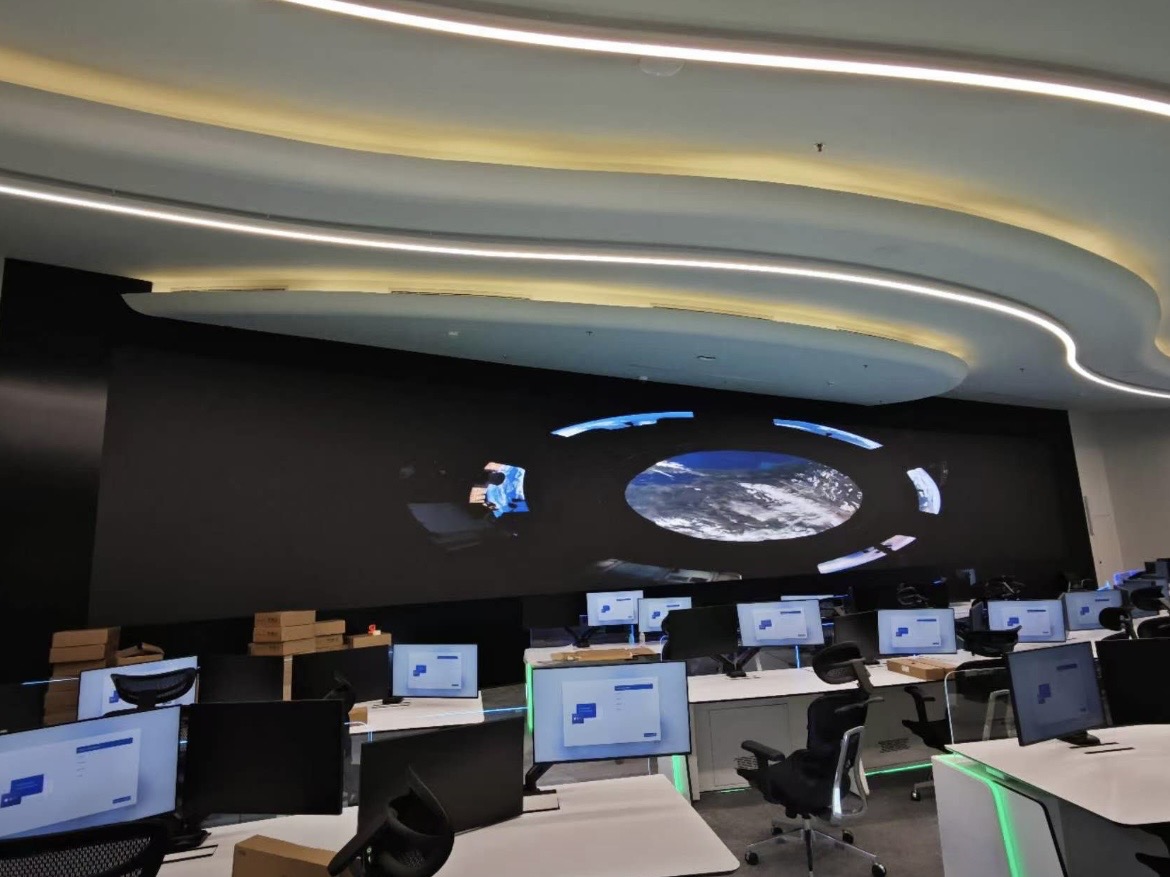
Tell us your market, and we will help you confirm the licences and registrations your LED display import needs.
Request Import RequirementsChat on WhatsApp