By David
The single most useful thing a buyer can do to keep a dvLED tender honest is to name seven items in the specification: pitch, brightness, refresh rate, cabinet dimensions, power figures, service access and the certification file. Leave any of them loose and the lowest bid will be the one that quietly removed it.
This guide explains what each item does in a bid, and where over-specifying costs money without protecting anything.
A dvLED wall is assembled from parts, and every part is a place where cost can be taken out. If the spec names only an overall size and a pitch, a supplier can reduce the refresh rate, substitute a lower-grade power supply, or omit redundancy, and still return a compliant-looking number.
The quote is not dishonest on its face. It answers a question that was asked too loosely.
Naming the items below closes that gap, because each one is checkable against a cut sheet before the award rather than after delivery.
1. Pixel pitch, with the series that provides it. Pitch ties directly to viewing distance, and a bid that names only “fine pitch” leaves the choice open.
2. Brightness in cd/m², with the drive setting. A brightness figure without its drive condition is not comparable between bidders.
3. Refresh rate. This is what makes the wall camera-safe. Below the required figure the screen bands on video, which is unacceptable in a broadcast or hybrid-meeting space.
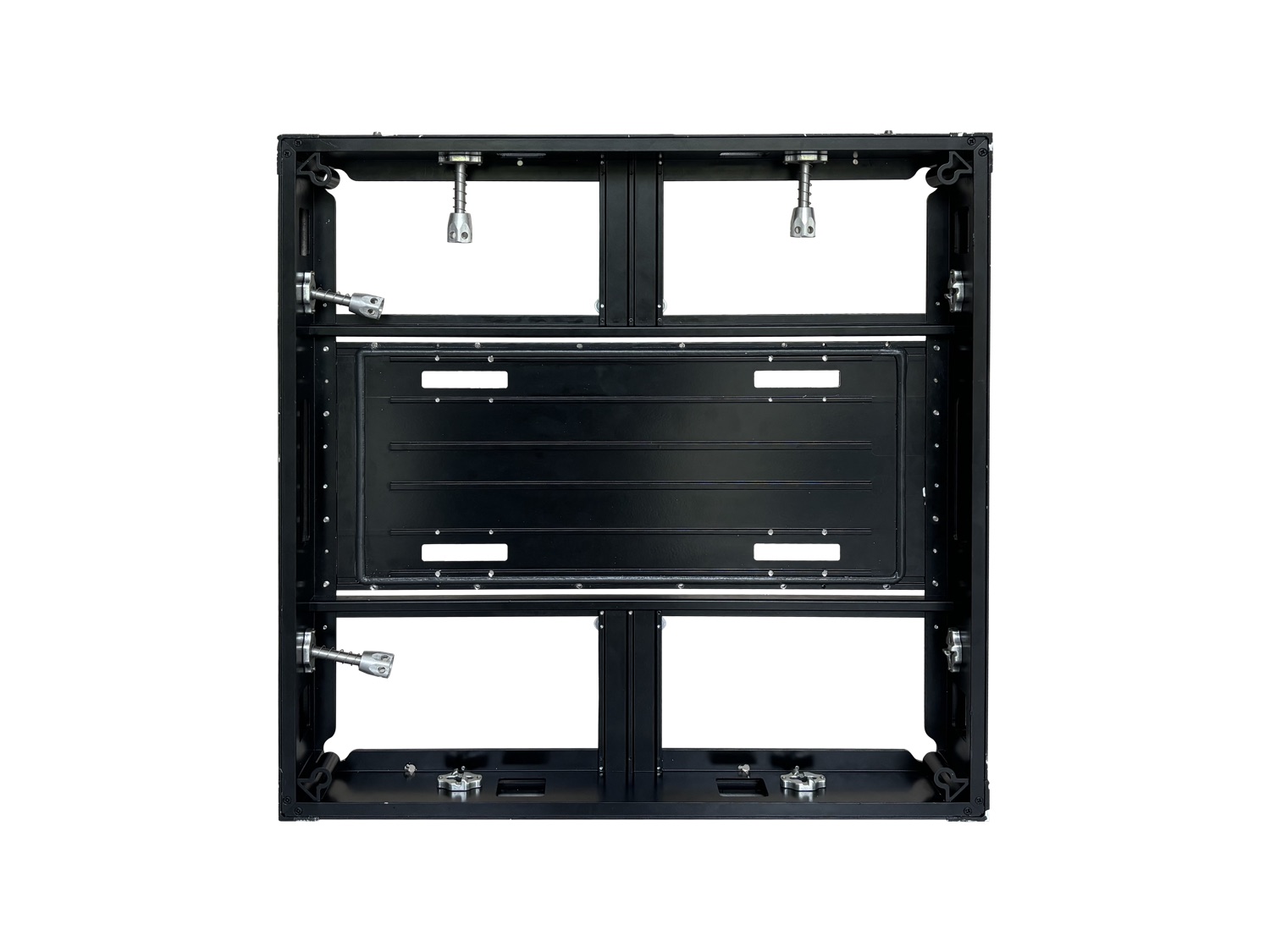
4. Cabinet dimensions and weight. These drive the structural design and the rigging, and they are the figure most often left unspecified.
5. Power, average and maximum, in W/m². The electrical design is sized from these. A spec that omits them guarantees a change order.
6. Service access. Front or rear maintenance decides whether a failed module costs an hour or a corridor closure.
7. The certification file. Name the marks required and the point at which the file must be submitted.
| Specification item | What to write | What it protects against |
|---|---|---|
| Pixel pitch | The pitch, plus the series that provides it | Substitution to a coarser pitch |
| Brightness | cd/m², with the drive setting stated | Quoting a figure measured at a different drive |
| Refresh rate | The minimum figure, not "high refresh" | Camera banding in broadcast or hybrid rooms |
| Cabinet dimensions and weight | Exact dimensions and weight per cabinet | Structural redesign after the award |
| Power | Average and maximum, in W/m² | Breaker trips and change orders |
| Service access | Front or rear maintenance, stated | Corridor closures for a single module |
| Certification file | Required marks and the submission point | Failing inspection after installation |
Specifying is not the same as asking for the most. Two items are commonly over-specified.
The first is pitch. A wall read from twenty metres does not need the pitch that suits a boardroom. Buying a finer pitch than the viewing distance requires raises the price without changing what the audience can see.
The second is brightness. A screen specified at exactly the ambient light level will look dim long before its service life ends, because LED output declines over the years. Brightness needs headroom, not a maximum.
Once the specification is closed, the evaluation should weigh verified documents rather than statements. Ask each bidder for the cut sheet, the certification file, and a reference installation the buyer can contact.
Where the project allows it, a camera test settles refresh-rate claims faster than any datasheet. Point a camera at the wall and look for banding. The same evidence-first approach applies when comparing ordinary LED quotes.
Our own documents are issued from the factory, production runs on a 15 to 20 working day lead time, and products carry a three-year warranty with ISO 9001:2015, CE, FCC and RoHS compliance.
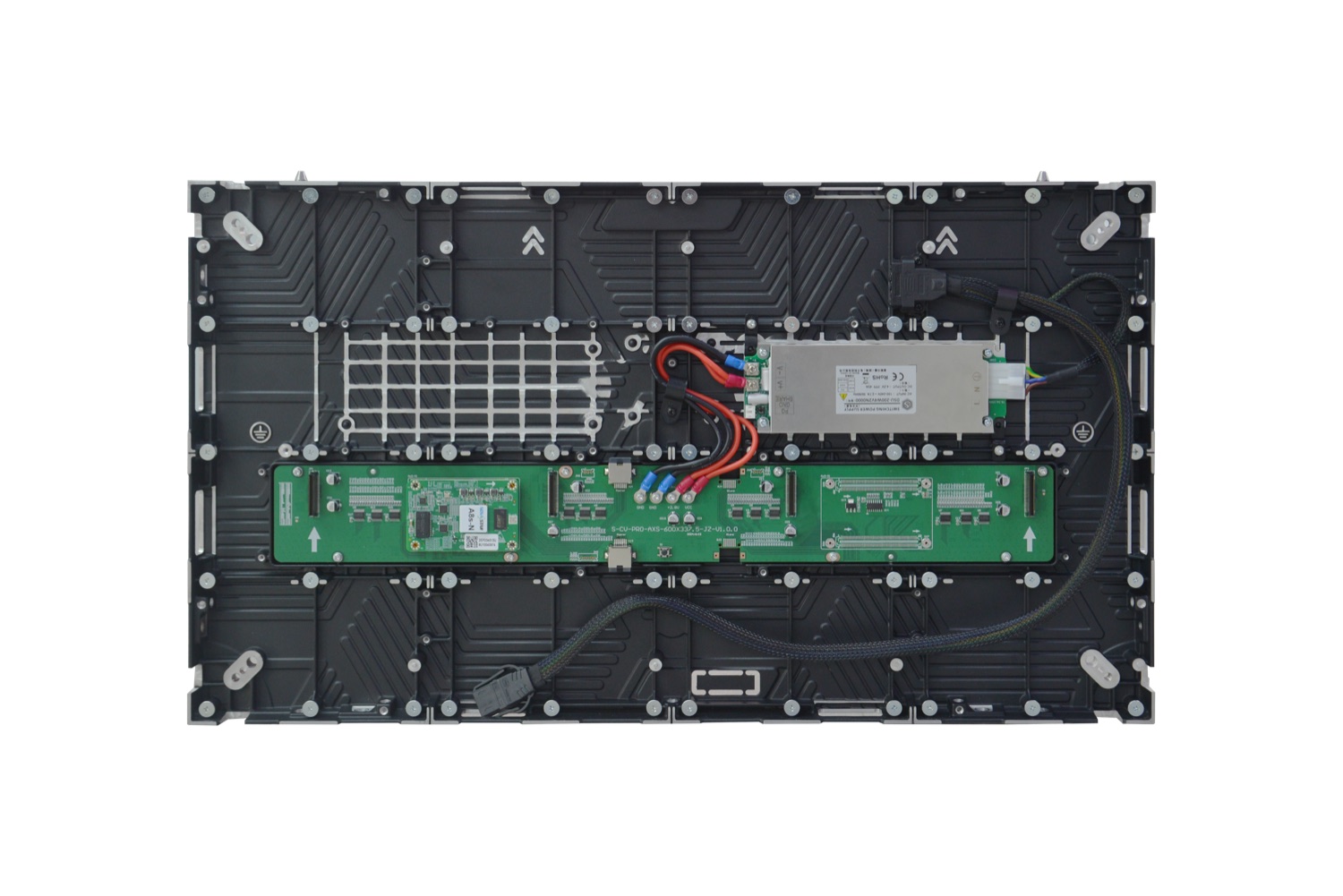
For this requirement our range covers it directly: the All 12 LED display series the COB CV-PRO series.
Send your specifications for a detailed LED display price quote with UL/ETL certification.
Request Price Quote Chat on WhatsApp