By David
What is Vietnam retail digital signage? Vietnam retail digital signage is a screen used in a mall unit or shop window to show promotions, prices, and brand content to shoppers. In Vietnam it must handle high humidity, bright mall lighting, and a fast-growing but competitive retail environment. This 2026 guide explains how to choose and run a screen that sells.
Vietnamese retail has expanded quickly, and much of it happens inside modern malls where lighting is bright and shoppers move fast between units. A screen has to earn attention in a competitive environment and hold it long enough for a message to register.
The climate adds a constraint. High humidity affects screens in an air-conditioned mall that is also exposed to tropical air at entrances and loading areas, and condensation inside a cabinet causes faults that appear weeks after installation.
A Vietnam retail digital signage screen serves one of two positions: inside a mall facing the concourse, or in a street-facing shop window. Each has different requirements. A mall screen competes with ambient lighting and other units, while a window screen must beat daylight on the glazing.
| Position | Main Challenge | Screen Priority |
|---|---|---|
| Mall concourse | Bright ambient light | Brightness and viewing angle |
| Street shop window | Daylight on glazing | High brightness and anti-glare |
| Store interior | Close viewing | Fine pitch and color accuracy |
| Mall atrium | Large format and distance | Brightness and coarser pitch |
| Entrance display | Humidity from outside air | Sealing and corrosion protection |
| Promotional island | Temporary placement | Removable mounting and light weight |
Confirm the landlord's rules before ordering. Mall management often controls what can be fixed to a unit frontage, the weight limits on the facade, and the operating hours of illuminated displays. Agreeing the installation early avoids a design that has to be changed after the fit-out.
Humidity is the specification that Vietnamese retail buyers most often overlook. A screen in an air-conditioned mall can still be exposed to humid air at deliveries and entrances, and condensation forms inside the cabinet when the temperature changes. The result is corrosion on connectors and faults on driver boards.
Choose cabinets with effective sealing and corrosion protection on metal parts, and confirm the power supply's humidity rating. Where a screen sits near an entrance or a loading area, the exposure is greater and the specification should reflect it rather than assuming the air conditioning protects the equipment.
A window screen must beat the daylight on the glazing, not merely look bright indoors, and it must dim after dark so it does not glare. In a mall, the challenge is ambient lighting rather than sunlight, and a screen that is bright enough for a concourse may be too bright for a small unit facing a quiet corridor.
Choose a screen with an ambient sensor and a wide dimming range so it adapts to both. Test the screen in the actual position at the times of day that matter, because a showroom demonstration rarely reproduces the lighting of a real unit.
| Content Type | Requirement | Note |
|---|---|---|
| Brand imagery | Brand standard compliant | Keep protected elements locked |
| Promotional | Scheduled rotation | Match outlet offers |
| Price display | Clear and legally correct | Follow local rules |
| Wayfinding | Large type, high contrast | Readable while walking |
| Seasonal and festive | Updated on schedule | Coordinate with stock |
| Language | Local usage checked | Review before going live |
Write for shoppers walking past rather than standing still. Large type, strong contrast, and short messages register in a moment, while a detailed design disappears in a bright mall. Test the content from the concourse at walking pace before it goes live.
Running cost matters in a market where energy prices affect retail margins. A screen that operates through trading hours every day consumes a meaningful amount of electricity over a year, and the difference between an efficient and a poor screen shows up in the store's overheads rather than in the marketing budget.
Ask for average power at the operating brightness and multiply by the real trading hours. Then consider whether the screen needs to run when the store is closed. A scheduling rule that switches it off overnight and dims it during quiet hours reduces the annual cost without affecting the shopper's experience.
Work with mall management, the shopfitter, and the landlord before ordering. Each controls part of the installation, and a design agreed with only one of them will need revision. Confirm the fixing method, the power source, and the cable route in writing.
Plan the service as part of the purchase. A window or mall screen runs long hours in a demanding position, and a failure during a peak trading period costs more than a service visit. Choose a supplier who can respond during trading hours and keep spares available, as discussed in the window screen guide and the maintenance guide.
Decide the measure before buying. A retail screen may exist to lift footfall, increase conversion, or support a specific promotion, and each goal has a different measure. A project without a stated goal cannot be judged once the screen is installed, and the budget is spent without evidence.
Track the measure over the first year and review the content alongside it. A screen that runs the same message for months stops being noticed, and its return falls with the attention it receives. Treat content refresh as a recurring cost, because it is what keeps the investment working.
A Vietnam retail digital signage screen sits inside a unit that someone else built and that mall management controls. The landlord decides what can be fixed to the frontage, the weight limits on the facade, and the operating hours of illuminated displays. Agree the design with all parties before ordering.
Bring the shopfitter in early for the practical questions. Where does the power come from, how is the cable hidden, and can the unit structure take the weight of the screen and bracket? These are minor issues during design and expensive ones after the fit-out is complete.
A chain needs a supplier who can deliver the same specification to many units and support them across the country. Ask how the supplier handles a fault in a store in the other region, and confirm that spare parts are held close enough to respond within a trading week. Consistency across stores matters more than the finest specification in one shop.
Confirm the control system works for store staff rather than engineers. A chain that needs a technician to change a promotion will not use the screen to its potential, and the investment is wasted. Choose software that store managers can operate and that head office can govern.
Plan energy and service together. Ask for average power at the operating brightness, multiply by the real trading hours, and schedule the screen to match store hours. Then confirm the supplier can service it during trading hours, because a screen that fails in a peak period costs more than the service visit that would have prevented it.
Review the screen against its stated purpose after the first year. A window screen bought to lift footfall but measured only on how it looks has no evidence behind it, and the budget is renewed on impression rather than result. An annual review keeps the investment accountable.
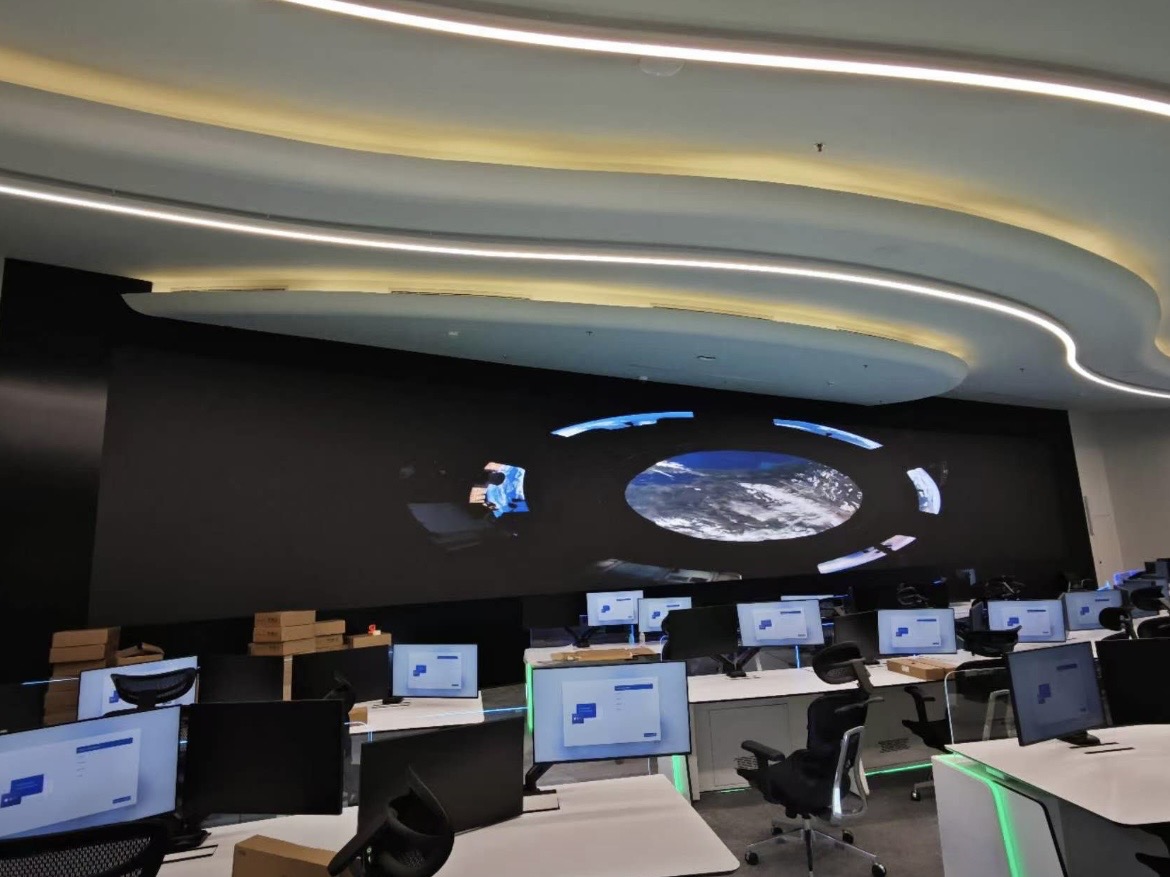
Send us your store layout and lighting conditions, and we will propose brightness, type, and content sizing.
Request Retail SpecChat on WhatsApp