By David
Should you buy from a led display trading company or a factory? A led display trading company buys from factories and resells, while a factory makes the screens itself. Each has advantages, and the right choice depends on your order, your need for support, and how much control you want. This 2026 guide explains how to tell them apart and choose well.
Many companies that sell LED displays are not factories. Some are traders who buy from factories and resell with a margin. Others present themselves as factories when they are not. Knowing which one you are dealing with changes what you can expect on price, quality, and support.
This guide is written for buyers sourcing LED displays. It explains the difference between a trading company and a factory, how to tell them apart, and the trade-offs that decide which suits your order.
A factory owns the production line, the equipment, and the staff who build the screens. A trading company owns none of these; it buys from factories, often several, and sells to buyers. The trader adds a margin for sourcing, communication, and logistics.
Because the trader does not make the product, it has less control over quality and lead time but more flexibility in what it can offer. The factory has full control but may only make a narrow range. Each model has strengths that suit different buyers.
| Aspect | Factory | Trading Company |
|---|---|---|
| Production | Owns the line | Buys from factories |
| Price | Lower, no margin | Higher, includes margin |
| Product range | Narrow | Wide, from many factories |
| Quality control | Direct | Depends on the factory |
| Support | Technical depth | Communication and logistics |
| Flexibility | Limited to its range | Can source almost anything |
Ask for the factory address, the business licence, and the production capacity. A factory can show its line and its staff; a trader will struggle to. A live video call from the production floor is hard to fake, while a photo set is easy to borrow.
Check the company name against the licence and the bank account. A trader often has a name that does not match a factory, or an address that is an office rather than a production site. A factory visit, in person or by video, settles the question.
A factory usually offers a lower price, because there is no reseller margin. It has direct control over quality, lead time, and the components used, so it can answer technical questions and adjust production. For a large or custom order, this control is valuable.
The factory also supports the product after the sale, because it made it. Spare parts, warranty, and technical help come from the source rather than through an intermediary. For a long-term relationship on a specific product, a factory is often the better partner.
A trading company offers a wider range, because it can source from many factories. It often has stronger export experience, better English, and smoother logistics, which matters for a buyer new to importing. The trader handles the complexity of dealing with several factories.
For a buyer who needs many product types, or who values communication and logistics over the lowest price, a good trader can be the better choice. The margin pays for convenience and reach that the buyer would otherwise have to build.
Quality depends on the actual factory, whether the seller is a trader or the factory itself. A trader that works with good factories can deliver good screens; a factory with poor quality control cannot. The seller's role matters less than the quality system behind the product.
Whoever you buy from, verify the quality through inspection. A pre-shipment inspection checks the actual goods, not the seller's claims, and it works the same whether the seller is a factory or a trader. The inspection is the buyer's protection in either case.
A trading company's price includes its margin, so it is usually higher than the factory's for the same product. The margin can be a few percent or much more, depending on the trader and the order. A buyer should know the margin they are paying, because it is a real cost.
The margin is not always wasted. A trader who provides real value, such as sourcing, quality control, or logistics, earns it. A trader who simply passes the order through and adds a markup earns less. Judge the price against the service, not against the label.
A trader makes sense when the buyer needs many product types, a small order below a factory's minimum, or help with logistics and communication. It also makes sense when the buyer is new to importing and values a partner who handles the complexity.
For a small first order, a trader may be the only realistic option, because factories often set minimums that a small buyer cannot meet. The trader aggregates orders, which lets a small buyer access a factory's product.
A factory makes sense for a large order, a custom product, or a long-term relationship on a specific screen. The direct relationship gives control over quality, price, and lead time, and the factory can support the product after the sale.
For a buyer who knows the product and wants the best price, cutting out the middleman is worthwhile. The buyer takes on more of the sourcing and communication work, and in return gets a lower price and a direct line to the source.
Some buyers use both, sourcing standard products from traders and custom products from factories. The choice can vary by order rather than being fixed for the company. What matters is knowing which model you are using for each order and why.
The key is transparency. A trader who admits to being a trader and delivers good service is a fine partner. A trader who pretends to be a factory creates a trust problem from the start, whatever the price.
| Your Need | Better Fit | Reason |
|---|---|---|
| Lowest price | Factory | No reseller margin |
| Wide product range | Trading company | Sources from many |
| Small order | Trading company | Aggregates orders |
| Custom product | Factory | Owns the line |
| Logistics support | Trading company | Export experience |
| Long-term single product | Factory | Direct support |
Whatever a supplier claims, verify it. Ask for the factory address, the licence, and a live video from the production floor. Check the company name against the licence and the bank account. Verification is quick and it settles the question of what the supplier really is.
A supplier who welcomes verification is more trustworthy than one who resists it. The willingness to be checked is itself a signal, because a factory has nothing to hide and a trader pretending to be a factory has much to hide.
Some suppliers are both a factory and a trader. A factory may trade products it does not make to offer a wider range, and a trader may own a small line. The hybrid model is common, and a buyer should ask what the supplier makes and what it sources.
What matters is transparency. A supplier that explains what it makes and what it buys is easy to work with. One that claims to make everything is harder to trust. Ask directly, and judge the answer.
Decide what you need: the lowest price, the widest range, the most support, or the most control. Then choose the model that delivers it. Verify the supplier's claims, inspect the goods, and build the relationship on clear expectations.
A useful question to ask a supplier is where the screens are assembled. A factory can answer directly and invite a visit. A trader has to check with its supplier, which takes time and often reveals the arrangement. The answer, and how easily it comes, tells you a lot.
Another signal is the product range. A factory tends to make a focused range it does well, while a trader claims to offer everything. A very broad catalogue with no depth is more typical of a trader than a factory, though a large factory may offer a wide range too.
A led display trading company and a factory are different partners with different strengths. Buyers who know which one they are dealing with, and who match the model to their order, get the price, the range, and the support that fit their needs.
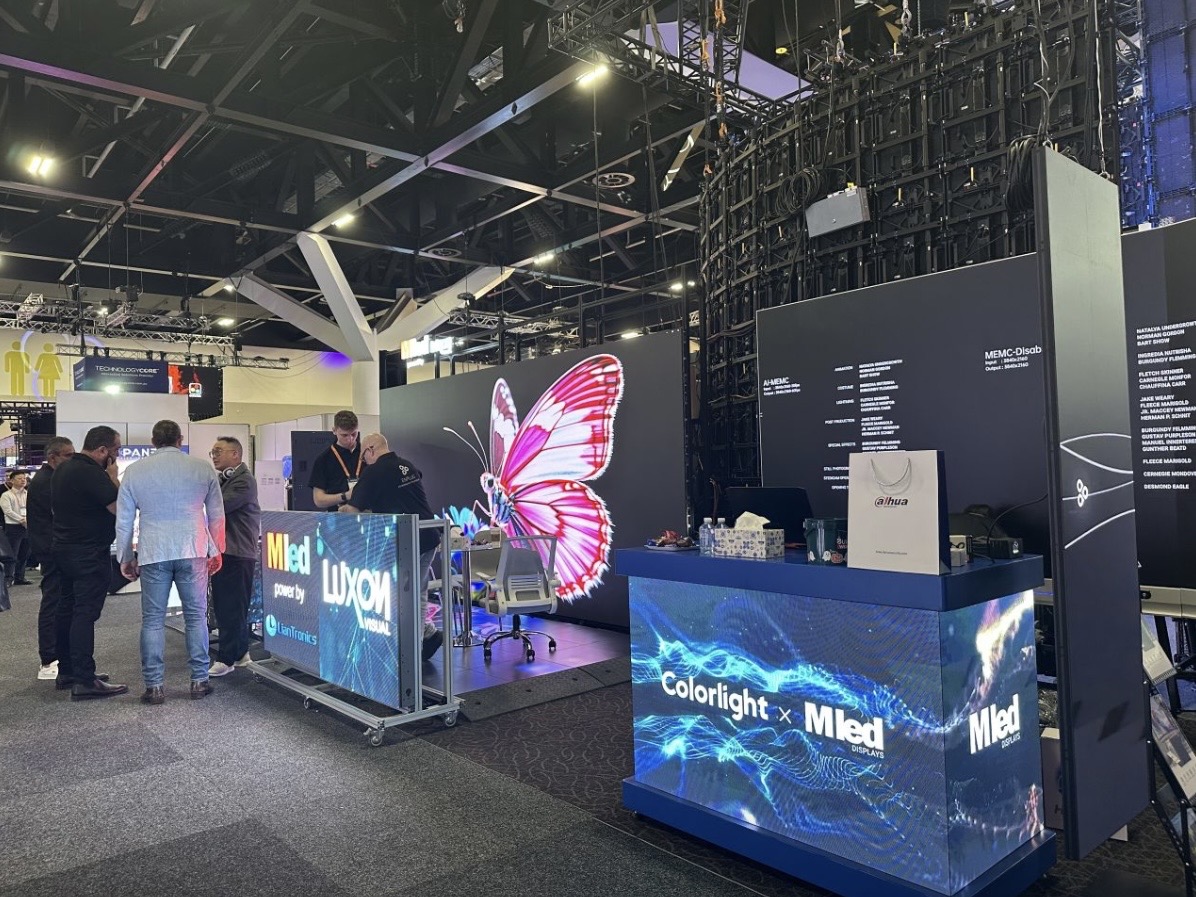
Ask us for the factory details, licence, and production information to verify we are a real LED display manufacturer.
Request Factory DetailsChat on WhatsApp