By David
What is an led display showroom sample? An led display showroom sample is a screen or module kept in a showroom so customers can see the product in person. A showroom helps a dealer sell, because customers can compare and judge the quality. This 2026 guide explains how to plan one.
A customer who sees a screen in person trusts it more than a brochure. A showroom with the right samples lets the customer compare the pitch, the brightness, and the brand. The showroom is a sales tool, and its samples decide its effect.
This led display showroom sample guide is written for dealers and resellers. It covers the samples to keep, the layout, and how to use the showroom to sell.
The showroom should hold the key products: a fine pitch sample for indoor, a high brightness one for outdoor, and a standard one for general use. The samples should cover the range the dealer sells. A single sample limits the sales.
| Sample | What It Shows | Customer |
|---|---|---|
| Fine pitch | Close-up quality | Indoor and control room |
| High brightness | Daylight readability | Outdoor and signage |
| Standard pitch | General quality | Retail and events |
| Specialty | Curved or transparent | Feature projects |
The samples should be current, not obsolete models. A showroom with old samples misleads the customer. The dealer should refresh the samples as the range changes, as noted in the dealer program guide.
| Showroom Element | Purpose |
|---|---|
| Samples | Let the customer compare |
| Demo units | Show it working |
| Lighting | Show it realistically |
| Content | Show the customer's use |
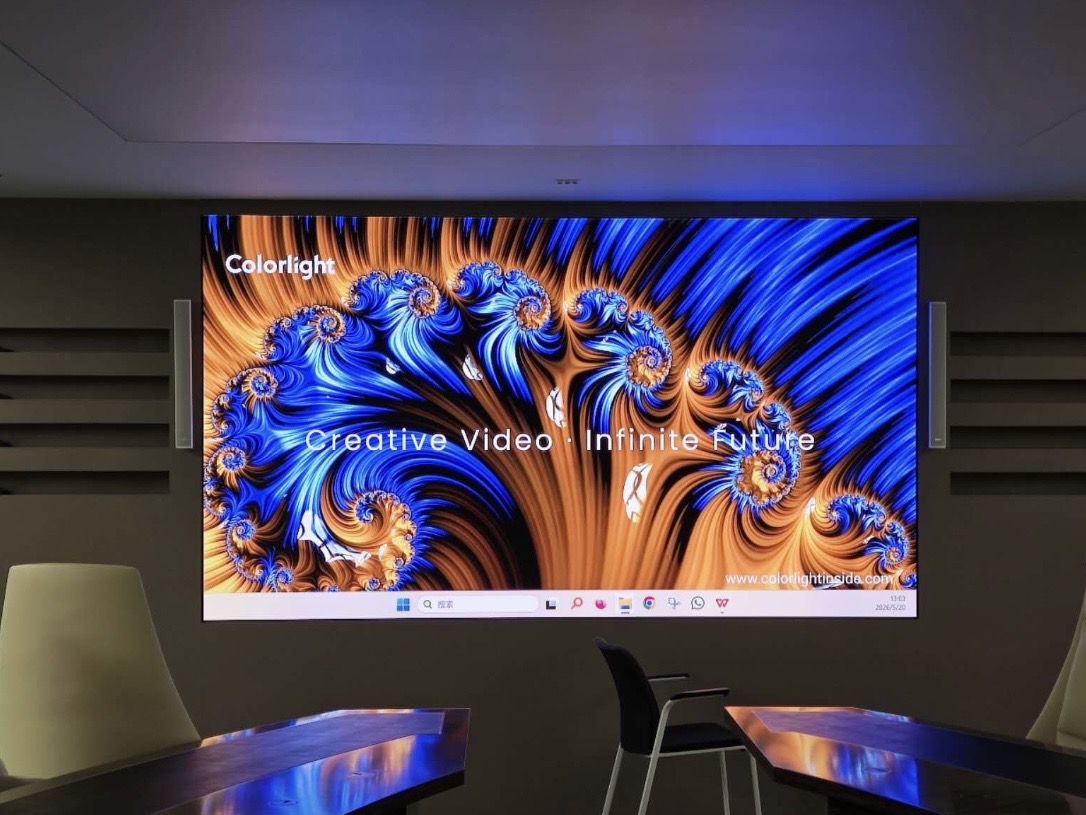
A demo unit is a screen set up to run content, so the customer sees it working. The demo should run real content, not only test patterns. The working demo shows the quality and the effect.
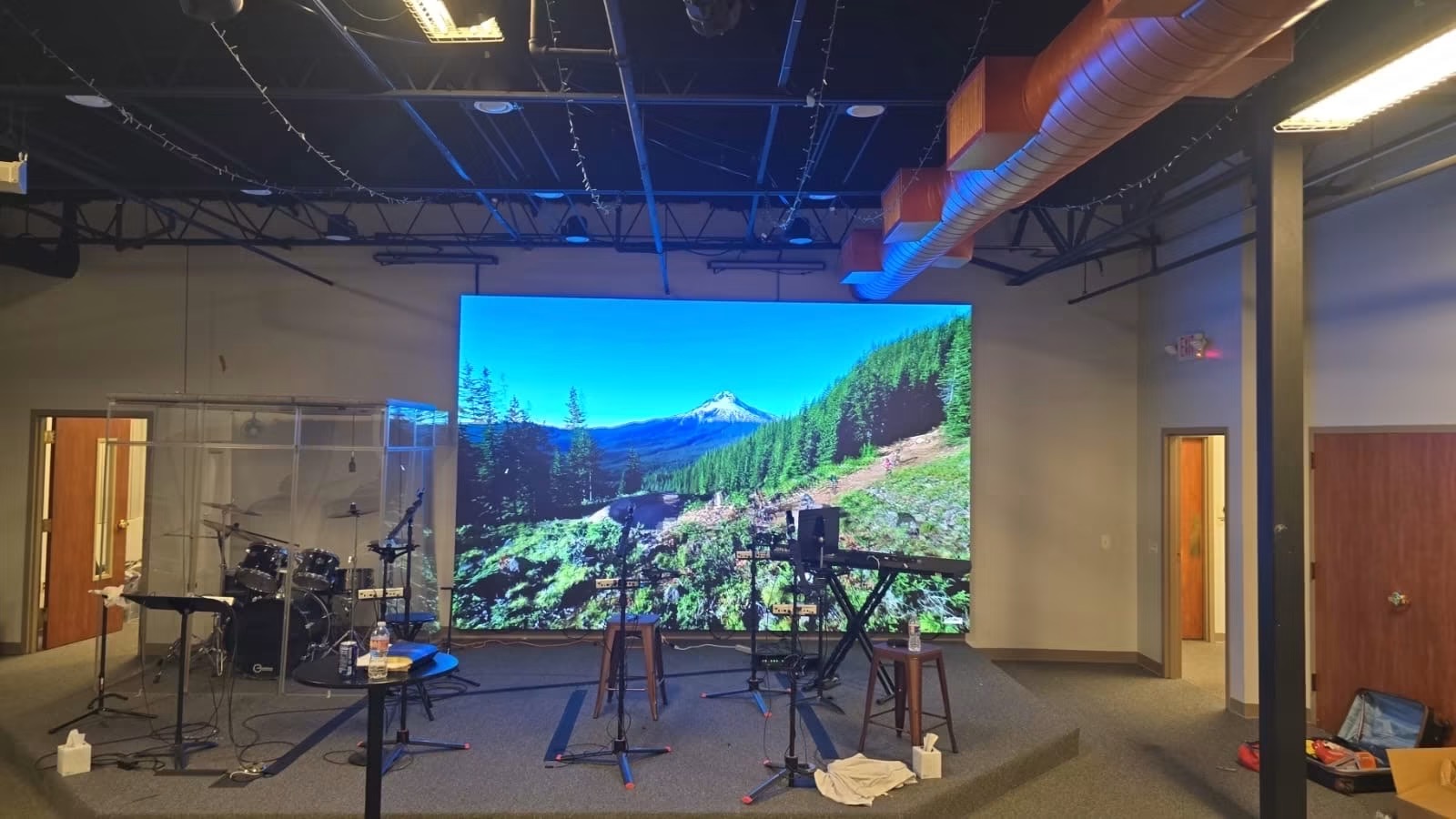
The demo should be set up as it would be installed, so the customer sees the real look. A demo on a bench looks different from an installed screen. The dealer should set up the demo realistically.
The layout should let the customer compare the samples. Placing the fine pitch next to the standard pitch shows the difference. The customer can then judge the value of the finer pitch for the price.
The layout should also let the customer view the samples from the real distances. A fine pitch viewed from one meter shows its quality; a standard pitch viewed from five meters shows its use. The distances help the customer.
The showroom lighting affects how the screens look, as noted in the brightness guide. A screen that looks bright in a dim showroom may look dim in daylight. The dealer should test the samples in the lighting the customer will have.
The showroom can have a controlled lighting area, where the brightness and the contrast are shown realistically. The area lets the customer see the screen in conditions close to the real use. The lighting is part of the demo.
The content should show the screen's quality: sharp images, smooth motion, and good colour. The content should suit the customer's use. A retail customer wants to see the retail content; a rental customer, the event content.
The dealer should have content for the main uses: retail, corporate, events, and outdoor. The content shows the customer how the screen would look in their project. The content is part of the sales.
The showroom lets the dealer demonstrate, not only describe. The customer who sees the screen makes a faster decision. The showroom shortens the sales cycle and builds the trust.
The dealer should invite the customer to the showroom early in the sale, so the product is understood. A customer who has seen the screen is easier to close. The showroom visit is part of the process.
The common mistakes are obsolete samples, unrealistic demos, and lighting that flatters the screen. Others include a layout that does not allow comparison and content that does not suit the customer. Each weakens the showroom.
The remedy is to keep the samples current, the demos realistic, and the lighting honest. The showroom should show the screen as the customer will experience it.
The showroom location matters, because the customers must be able to visit. A location near the customers is easier to visit than a distant one. The dealer should choose the location for the access.
The showroom should be easy to find and to enter, with the space to display the screens. The access is part of the showroom's usefulness. The dealer should plan the location.
The showroom may be combined with the office or the warehouse, which saves the cost. The combined space works if it is presentable. The dealer should weigh the cost against the presentation.
The showroom should give a good customer experience, from the welcome to the demonstration. The experience builds the trust in the dealer. The dealer should plan the visit.
The staff should know the products and the applications, so the customer's questions are answered. A knowledgeable staff supports the sale. The dealer should train the staff, as noted in the dealer program guide.
The experience should be tailored to the customer's use, with the relevant content and samples. The tailored visit is more effective. The dealer should prepare for each customer.
The content should show the applications the customer cares about, such as retail, corporate, or events. The relevant content helps the customer see the value. The dealer should keep the content current.
The content should also show the quality, with the sharp images and the smooth motion. The quality is the point of the demonstration. The dealer should use the content that shows the best.
The content should be easy to switch, so the dealer can show the relevant application. The flexible content supports the sales. The dealer should have the content ready.
The showroom needs the power, the mounting, and the cabling for the demo units. The setup should be safe and tidy. The dealer should plan the technical side with the showroom.
The demo units should run reliably, so the customer sees the product working. A demo that fails undermines the sale. The dealer should maintain the demo units.
The setup should also allow the customer to see the screens from the real distances, as noted earlier. The distances show the quality. The setup is part of the demonstration.
The showroom is a marketing asset, and the dealer should promote it. The promotion invites the customers to visit. The dealer should include the showroom in the marketing.
The showroom can also host events, which bring the customers in. The events build the relationships. The dealer should consider the events as part of the marketing.
The showroom's reputation, as the place to see the products, supports the sales. The dealer should build the reputation. The showroom is part of the brand.
The showroom complements the online channel, because the customer can research online and visit to see the product. The two work together. The dealer should connect them.
The dealer should list the showroom on the website and the marketing, so the customers know it exists. The listing brings the visits. The online and the physical support each other.
The showroom can also support the online sales, by providing the photos and the videos. The showroom content enriches the online presence. The two channels reinforce each other.
The showroom is an investment, with the cost of the space, the samples, and the staff. The return is the sales it helps to close. The dealer should model the return, as noted in the ROI guide.
The showroom's value is often in the larger projects, where the customer needs to see the product. The showroom wins the projects. The return justifies the investment.
The dealer should track the showroom's contribution, such as the sales that followed a visit. The tracking shows the value. The dealer should review the showroom's performance.
The led display showroom sample helps a dealer sell by letting the customer see the product. Keep the samples current, set up realistic demos, light the space honestly, and use the showroom early in the sale.
Dealers who invest in a good showroom close more sales. The showroom is the proof of the product, and it should show the screen at its real best.
Ask us about the samples and demo units available for your Asia Vision LED display showroom.
Request Showroom SamplesChat on WhatsApp