
By David
What is led display channel pricing? Led display channel pricing is the structure of prices a manufacturer sets for its distributors, dealers, and end customers, designed to protect the margin at each level. A clear structure keeps the channel healthy. This 2026 guide explains the pricing.
A channel works when each level earns a margin. If the prices are set poorly, one level loses out, and the channel breaks down. The channel pricing sets the price at each level, so the distributor, the dealer, and the manufacturer all earn.
This led display channel pricing guide is written for manufacturers and distributors. It explains the price structure, the margin, and the management of the pricing.
The structure has several levels: the manufacturer list price, the distributor price, the dealer price, and the end-customer price. Each level is lower than the next, leaving a margin at each. The structure is the framework of the channel.
| Level | Price Basis | Typical Margin |
|---|---|---|
| Manufacturer list | Reference | — |
| Distributor | List less discount | 20-35% |
| Dealer | Distributor less margin | 15-25% |
| End customer | Dealer plus margin | Project-based |
The margins vary by the market and the product, but each level needs enough to sell. A level with too little margin cannot invest in the sales and the support. The structure should leave a margin at every level.
| Pricing Tool | Purpose |
|---|---|
| Tiered discount | Reward the volume |
| MAP policy | Protect the margin |
| Price protection | Support the stock |
| Rebate | Motivate the sales |
The pricing decides whether the channel works. A distributor who cannot earn will not invest; a dealer who cannot compete will not sell. The pricing also affects the end-customer price, which decides the competitiveness.
The pricing also affects the channel conflict. If the manufacturer sells directly at a lower price, the distributors lose the sales, as noted in the distributor agreement guide. The structure should prevent the conflict.
The manufacturer should protect the channel from price-cutting and from its own direct sales. A minimum advertised price keeps the dealers from undercutting each other. A pricing policy for the direct sales avoids the conflict.
The protection is the basis of the trust. A distributor who invests in the market expects the pricing to be stable and the channel to be protected. Without the protection, the distributor cannot plan.
A minimum advertised price sets the lowest price a dealer may advertise, which protects the margin across the channel. The policy prevents a price war that erodes the margin for everyone. The manufacturer should enforce it consistently.
The policy should be fair and clear, so the dealers know the rules. An enforced policy protects the channel; an unenforced one is ignored. The manufacturer should apply the policy to all the dealers.
When the manufacturer changes the price, the channel should be protected, as noted in the distributor agreement guide. A notice period and the protection for the current stock are reasonable. A sudden change damages the channel.
A tiered pricing rewards the volume, as noted in the dealer program guide. The higher-volume dealers earn a better price. The tiers motivate the sales and reward the commitment. The structure should be clear.
The tiers should be achievable and fair, so the dealers can move up. An unachievable tier motivates no one. The manufacturer should set the tiers for the market.
The common mistakes are too little margin, no channel protection, and the manufacturer competing with its distributors. Others include unenforced price policies and sudden price changes. Each damages the channel.
The remedy is to set a margin at every level, protect the channel, enforce the policy, and manage the changes fairly. The channel then works for both the manufacturer and the distributors.
The channel pricing should reflect the strategy: whether the manufacturer wants the volume, the margin, or the market share. The strategy decides the price levels. The pricing serves the strategy.
A manufacturer seeking the volume sets a competitive price with a thin margin; one seeking the margin sets a higher price. The strategy differs by the market and the product. The pricing follows the strategy.
The strategy should be consistent across the channel, so the levels support each other. An inconsistent strategy confuses the channel. The manufacturer should set the strategy first.
The channel pricing should consider the competition, because the end-customer compares. A price far above the competition loses the sale; one far below erodes the margin. The manufacturer should position the price.
The competition includes the other brands and the direct imports. The manufacturer should know the competitive prices. The pricing responds to the market.
The positioning also affects the brand role. A premium brand prices higher; a value brand, lower. The pricing reflects the brand.
The discounts reward the volume, as noted in the tiered pricing. The structure should be clear, so the dealers know the discount at each level. The clear structure motivates the sales.
The discounts should be fair, so the effort is rewarded. An unfair structure demotivates the dealers. The manufacturer should review the structure.
The discounts should also account for the services the dealers provide, such as the stock and the support. A dealer that invests more earns more. The structure reflects the role.
Some channels use rebates, where the dealer earns a payment on reaching a volume. The rebate motivates the sales without a lower list price. The manufacturer should set the rebate clearly.
The incentives, such as the rewards for the new customers, focus the effort. The manufacturer should use the incentives for the priorities. The incentives supplement the price.
The rebates and the incentives should be simple to understand and to claim. A complex scheme is ignored. The manufacturer should keep them clear.
The channel pricing should be reviewed regularly, because the market and the costs change. The review keeps the pricing competitive and fair. The manufacturer should set the review period.
The review should consider the channel's feedback, because the dealers know the market. The feedback informs the pricing. The manufacturer should involve the channel.
The review should also consider the costs, including the components and the freight. A cost change may require a price change. The review keeps the margin healthy.
The pricing should reflect the value the customer receives, not only the cost. A screen that saves the customer energy or wins the sales has a value beyond the price. The manufacturer should price for the value.
The value pricing supports a higher margin, because the customer pays for the outcome. The manufacturer should communicate the value, as noted in the ROI guide. The pricing and the value work together.
The value should be explained, so the customer understands the price. A price without the value explanation invites a negotiation on the number. The manufacturer should support the channel with the value story.
The channel pricing should account for the landed cost, including the freight and the duty, as noted in the landed cost guide. A price that ignores the landed cost misleads the channel. The manufacturer should quote consistently.
The landed cost also affects the end-customer price, which decides the competitiveness. The manufacturer should consider the landed cost in the pricing. The comparison should be on the landed basis.
The channel should understand the landed cost, so the pricing is transparent. The transparency builds the trust. The manufacturer should share the cost basis.
The channel pricing should also account for the market's price sensitivity, because a market that compares prices rewards the competitive offer, while a market that values the brand rewards the premium. The manufacturer should know the market's behaviour.
The manufacturer should give the channel the tools to sell at the price, including the value story, the demonstration, and the references. A price without the selling tools cannot be held. The tools support the margin.
The led display channel pricing sets the price at each level to protect the margin across the channel. Set the prices, protect the channel, enforce the policy, and manage the changes.
Manufacturers who design the channel pricing well build a healthy, motivated channel. The pricing is the framework of the channel, and it should leave a margin at every level.
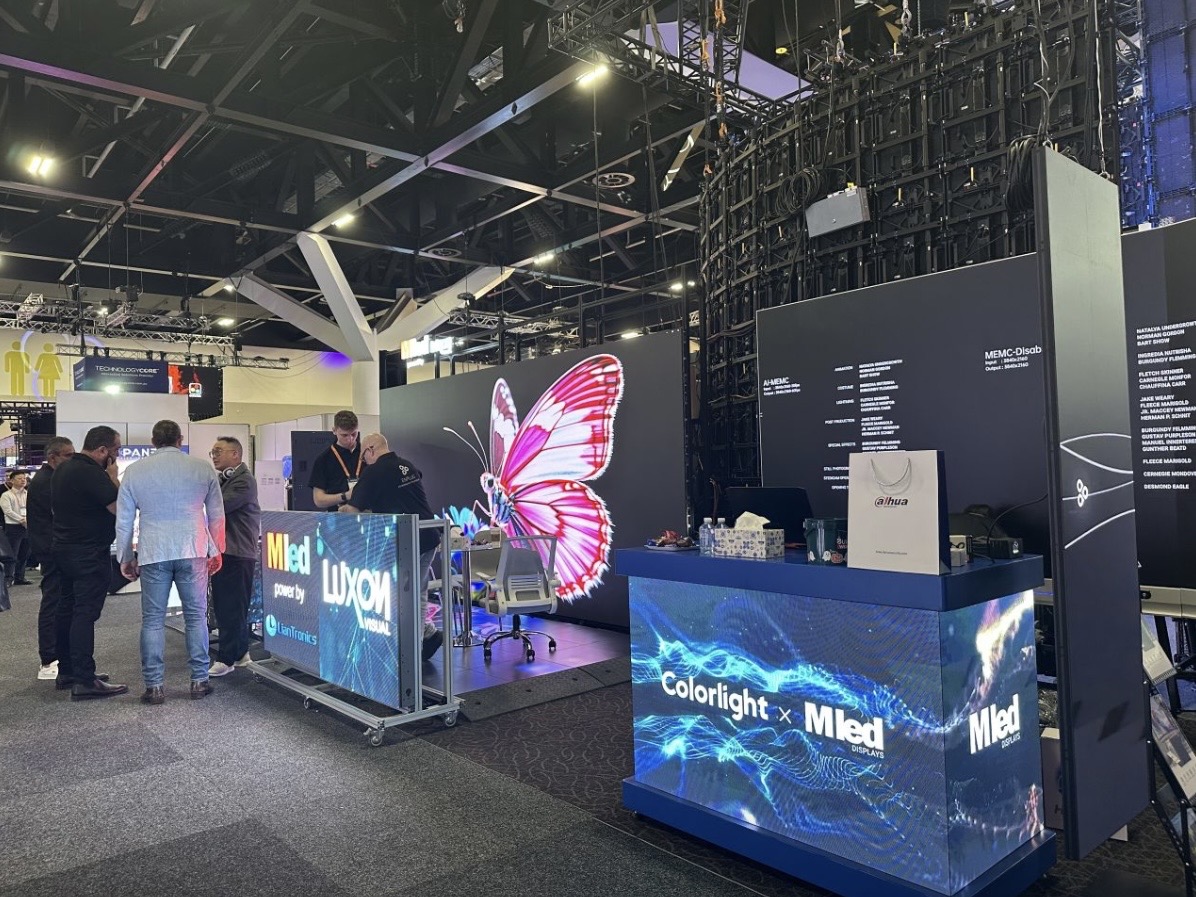
Ask us about the distributor and dealer pricing structure for the Asia Vision LED display channel.
Request Pricing StructureChat on WhatsApp