
By David
What is an led display airport screen? An led display airport screen is a display in a terminal, showing flight information, wayfinding, advertising, and public messages. It must be reliable and readable in a busy, brightly lit space. This 2026 guide explains how to specify one.
An airport terminal is a demanding environment. The screens run around the clock, face bright daylight and artificial light, and serve thousands of people who need clear information. A screen that fails or is hard to read disrupts the passengers.
This led display airport guide is written for airport operators and transit buyers. It covers the flight information, the wayfinding, the brightness, and the specification for terminal screens.
Airport screens serve several purposes: flight information, wayfinding, advertising, and public messages. Each has different requirements. The flight information must be accurate and always on; the advertising can change; the wayfinding must be clear from a distance. The screens are sized and placed for their role.
| Use | Requirement | Priority |
|---|---|---|
| Flight information | Always on, accurate | Critical |
| Wayfinding | Clear at distance | High |
| Advertising | Bright, engaging | Commercial |
| Public messages | Legible, timely | High |
An airport terminal has bright light, from windows and from the terminal lighting. The screens must be bright enough to read in that light, with auto-dimming for the quieter night hours. A screen that washes out in the day fails its purpose.
The brightness must also avoid glare for the passengers and the staff. A screen that is too bright in a dim area is tiring and unprofessional. The auto-dimming and the placement manage the balance.
An airport runs continuously, so the screens must too. Reliability is critical, because a failed flight information display disrupts the passengers. The screens need quality components, redundant power, and a maintenance plan.
For the critical displays, redundancy is standard. A spare power supply and a backup signal path keep the display running if a part fails. The airport cannot afford a dark board during operations.
The flight information must be accurate and always current, sourced from the airport's system. The display should integrate with the system, so the data updates automatically. A display that needs manual updates is a risk of error.
The content should be clear and legible at a glance, with the flight number, the destination, the time, and the status. The passengers read it in a hurry, so the layout must be simple. The design serves the fast reading.
The wayfinding screens guide the passengers to the gates, the baggage, and the services. They must be clear from a distance and consistent across the terminal. The wayfinding is part of the passenger experience.
The advertising screens earn revenue for the airport. They must be bright and engaging, and the content should suit the audience. The advertising and the information are often separate, so each serves its purpose.
The airport screens are large and often custom, fitting the terminal's architecture. The manufacturing and the installation take planning, especially where the screen is fixed to a structure. The buyer should allow time for the design and the installation.
The installation must not disrupt the terminal operations. The work is often done at night or in phases, so the terminal keeps running. The plan should account for the operational constraints.
The common mistakes are too little brightness, no redundancy for critical displays, and a content system that needs manual updates. Others include no maintenance plan and an installation that disrupts operations. Each risks the passenger experience.
The remedy is to specify the brightness, the redundancy, the content integration, and the maintenance, and to plan the installation around the operations. The screens then serve the terminal reliably.
An airport terminal is a complex environment with high ceilings, glass walls, and constant movement. The screens must be placed where the passengers look, and sized for the distance. The placement is part of the information design.
The terminal's light varies through the day, from bright daylight through the glass to the dim night. The screens must adapt, which is why the auto-dimming is essential. The environment drives the specification.
The screens serve the passenger journey: check-in, security, the gates, the baggage, and the exit. Each stage has its information needs. The screens should be placed and sized for the passenger at each stage.
The wayfinding is a chain, and the screens are the links. A missing or unclear screen breaks the chain. The buyer should map the journey and place the screens to guide the passenger at each step.
The content system integrates the flight data, the wayfinding, the advertising, and the messages. It should be reliable and update automatically. A system that fails or needs manual updates disrupts the information.
The system should also allow the airport to schedule and prioritise the content. A flight delay message takes priority over the advertising. The system's logic decides what the passenger sees, which is part of the information design.
An airport runs continuously, so the maintenance must fit the operations. The screens should be serviceable without disrupting the terminal, often with front access or a service plan. The maintenance is part of the reliability.
The support should be fast, because a failed screen disrupts the passengers. A service level agreement with a short response time suits the airport. The buyer should agree the support with the supplier.
The advertising screens earn revenue for the airport, which can offset the cost of the information displays. The advertising should be managed to maximise the revenue without disrupting the information. The balance is part of the screen strategy.
The advertising content should suit the audience and the location. A screen in the departure lounge reaches a different audience from one in the baggage hall. The buyer should match the content to the location.
An airport's screens run continuously, so their energy is a significant cost. The efficient screens reduce the bill over the years. The buyer should consider the energy in the total cost, as with any large installation.
The energy also affects the terminal's cooling, especially for indoor screens. The heat from the screens adds to the air-conditioning load. The energy and the cooling together make the running cost.
An airport screen project is a large contract, with the terms covering the specification, the delivery, the installation, and the support. The buyer should agree the terms in detail, because the project is complex and the stakes are high.
The contract should also cover the content system and the maintenance, not only the screens. The airport needs a complete solution, not only displays. The terms should reflect the whole system.
The screens guide the passenger flow through the terminal. A screen that is missed slows the flow; one that is clear speeds it. The placement and the content together manage the flow, which is part of the terminal's efficiency.
The flow also affects the screen's exposure. A screen on the main route reaches more passengers than one in a side area. The buyer should place the screens where the flow is heaviest for the information and the advertising.
| Terminal Need | Screen Response |
|---|---|
| 24/7 operation | Redundant power |
| Bright light | High brightness |
| Flight data | System integration |
| Passenger flow | Placement on route |
An airport serves passengers with diverse needs, including those with reduced vision or mobility. The screens should be legible and reachable, with clear text and good contrast. The accessibility is part of serving the passengers.
The content should also be available in the languages the passengers need. A terminal with international flights needs multi-language content. The buyer should plan the languages with the screen and the system.
The led display airport screen shows flight information, wayfinding, advertising, and messages in a busy terminal. Specify the brightness, the reliability, the content integration, and the maintenance, and plan the installation around the operations.
Buyers who specify the screens for the terminal conditions get displays that run reliably and serve the passengers. The airport screens are critical infrastructure, and the specification should reflect that.
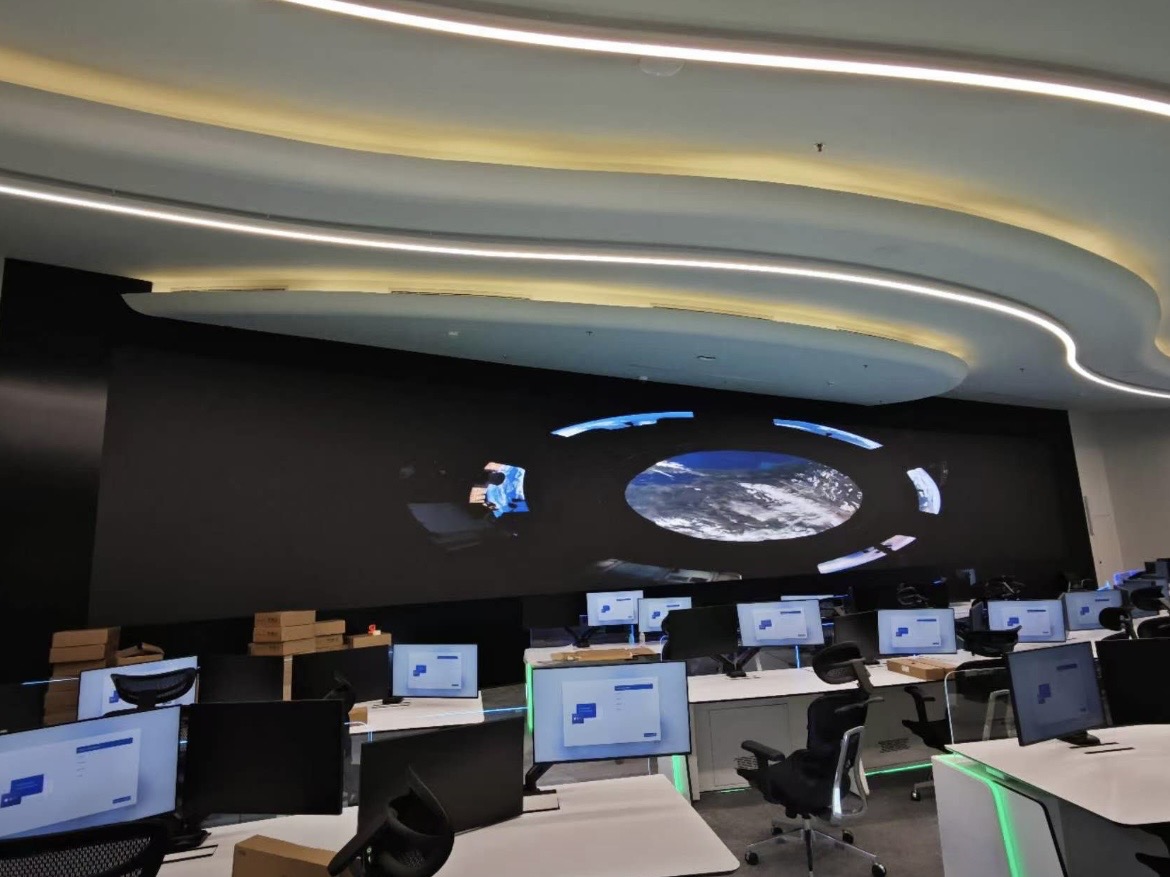
Tell us your terminal and application, and we will specify the brightness, reliability, and content system for your airport LED display.
Request Terminal SpecChat on WhatsApp