
By David
How do you source LED displays at a trade show? A led display trade show brings many suppliers together in one place, which lets a buyer compare products, meet factories, and see screens in person. Used well, a show saves months of online sourcing. This 2026 guide explains how to prepare and what to ask.
Trade shows are where the LED industry gathers. The big ones cover the whole industry, and the regional ones focus on a market. For a buyer, a show is a chance to see many screens, meet real factories, and judge quality in person, all in a few days.
This guide is written for buyers sourcing LED displays. It explains which shows matter, how to prepare, what to ask the suppliers, and how to follow up so the meetings turn into orders.
The major international shows cover the whole industry, with the largest suppliers and the newest products. They are worth attending for a buyer who wants a broad view. The regional shows focus on a market and often have local distributors as well as factories.
| Show Type | What You See | Best For |
|---|---|---|
| Major international | Whole industry, new products | Broad sourcing, market view |
| Regional | Local market, distributors | A specific market |
| Vertical | One application, e.g. AV or rental | A specific use case |
| Component | LEDs, drivers, parts | Component sourcing |
Attend the shows that match your need. A buyer building a broad supplier list gains most from a major show. A buyer serving one market may find a regional show more useful, because the suppliers there know that market.
Preparation turns a show from a walk into a productive few days. Decide what you are sourcing, list the suppliers you want to meet, and set appointments in advance. A buyer with a plan covers more ground than one who arrives without one.
Bring your specification with you. A buyer who can show a supplier the exact requirement gets a more useful conversation than one who speaks in generalities. The specification also lets the supplier answer precisely, which saves time later.
A show gives you a few minutes with each supplier, so the questions must count. Ask whether they are a factory, what they make, where the components come from, and what their lead time and MOQ are. The answers reveal the supplier quickly.
Ask about the driver IC, the power supply, and the warranty. A supplier who answers with specifics is more credible than one who answers with marketing. The show is a chance to judge the supplier's knowledge, not only to see the product.
Ask for the factory address and an invitation to visit, or a video call if a visit is impossible. A supplier who welcomes a visit is more likely to be a real manufacturer. The invitation, or the reluctance, is a useful signal.
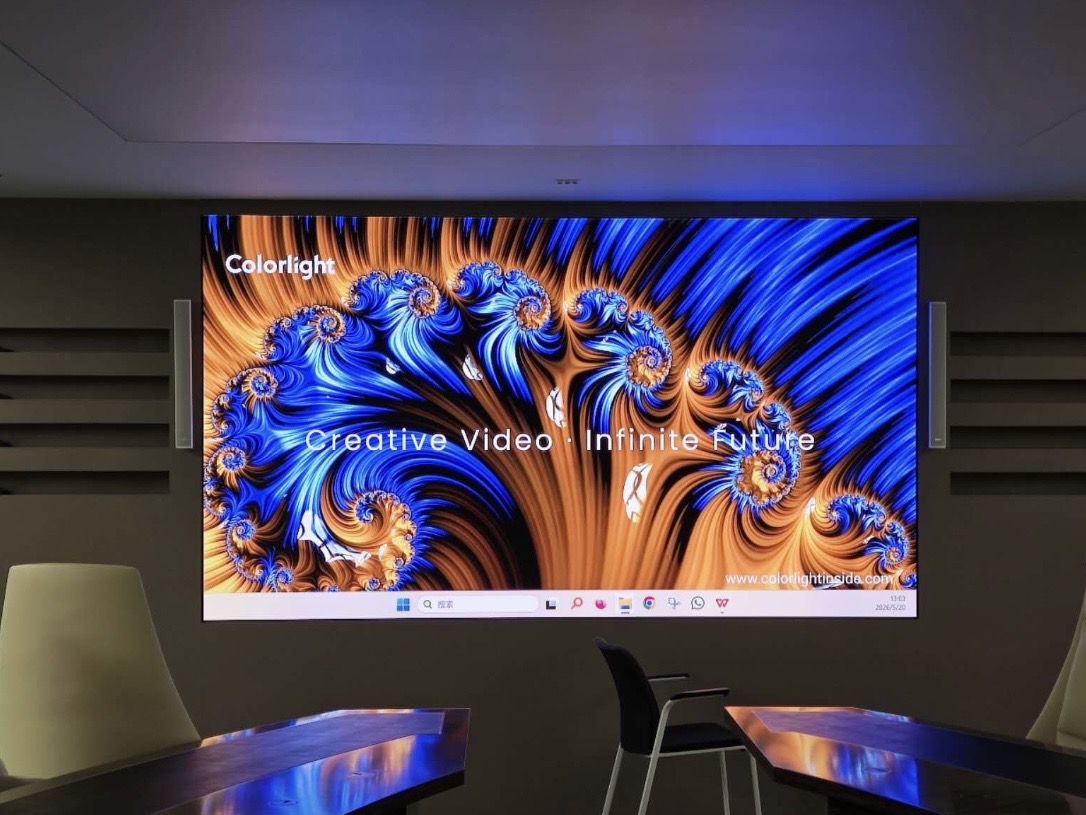
A show lets you see screens running, which online sourcing cannot match. Look at the brightness, the colour, the viewing angle, and the build quality. Compare the screens side by side, which is what a show is for.
Look at the details too: the cabinet finish, the connections, the module fit, and the screen's behaviour at an angle. The details separate a quality screen from an average one, and a show is the place to notice them.
A show reveals how a supplier behaves. A booth with knowledgeable staff, clear answers, and a real product suggests a serious supplier. One with salespeople who cannot answer technical questions suggests a trader or a weak factory.
Judge the supplier as you would in any sourcing: by the answers, the evidence, and the willingness to be verified. A show accelerates the judgment, because you meet many suppliers in a short time and can compare them directly.
The follow-up decides whether the show produces an order. Within days, contact the suppliers who stood out, send your specification, and request a quotation. A prompt follow-up keeps the conversation moving while the show is fresh.
Keep notes on each supplier: what they showed, what they said, and your impression. The notes let you compare the suppliers after the show, when the memory of the booths has faded. A buyer with notes follows up well; one without follows up on impressions.
A show is the start of the process, not the end. After meeting a promising supplier, verify the claims as you would any supplier: the factory address, the licence, the components, and the references. The show introduces; the verification confirms.
Order a sample from the standout suppliers and inspect it. The sample and the inspection confirm what the show suggested. A supplier who looked good at the show and passes the sample and inspection is a strong candidate.
Attending a show costs travel, accommodation, and time, especially for an international show. The cost is justified when the buyer seeks new suppliers or wants to see the market. For a single supplier already chosen, the cost may not be worth it.
Weigh the cost against the value. A first-time buyer sourcing widely gains much from a major show. A buyer with an established supplier may attend only occasionally. Match the attendance to the sourcing need.
A buyer sourcing fixed installations looks for the shows with integrators and project suppliers. A rental buyer looks for the shows with rental gear and stage technology. A distributor looks for the shows with a broad range and distribution terms.
The right show depends on the buyer's business. Attending the wrong show wastes the time and the cost. Match the show to the products and the market you serve, and the meetings will be relevant.
| Before | During | After |
|---|---|---|
| Book meetings | Ask precise questions | Follow up in days |
| Bring specification | See products running | Send specification |
| Plan booth route | Judge suppliers | Order samples |
| List suppliers | Take notes | Verify claims |
A show is overwhelming, and by the end the booths blur. Take notes on each supplier: the product, the answers, the booth number, and your impression. The notes let you compare the suppliers after the show, when memory alone would fail.
Photograph the screens and the booth signs, with the supplier name, so the images are useful later. A photo of a screen without a name is of little use a week later. The notes and the photos together make the follow-up accurate.
A show complements online sourcing rather than replacing it. Online research gives a list of candidate suppliers, and the show lets you meet them and see the products. The two together are stronger than either alone.
A buyer who researches before the show walks in with a shortlist and a plan. One who does not wanders the aisles and leaves with a bag of brochures. The research turns the show into a focused sourcing trip.
A trade show rewards preparation and follow-up. Decide what you need, book the meetings, ask the right questions, judge the suppliers, and follow up within days. The show is a compressed sourcing process, and a plan turns it into results.
Wear comfortable shoes and plan to walk a lot; a major show spans several halls. Bring a bag for brochures and a charged phone for photos. The practicalities matter, because a tired buyer misses booths and makes worse decisions near the end of the day.
Split the show with a colleague where possible, so one handles the technical questions and the other the commercial ones. Two sets of notes and two impressions of each supplier are more useful than one, and the coverage of the halls is better.
Led display trade show sourcing turns a few days into months of progress when it is done well. Buyers who prepare, ask precise questions, verify the suppliers, and follow up promptly turn the show into a shortlist of good suppliers and real orders.
Ask where we will exhibit, or book a factory visit, so you can see our LED displays in person.
Request Show ScheduleChat on WhatsApp