By David
What is led display sample evaluation? Led display sample evaluation is the process of testing a sample screen before a large order, checking the build, the image, the colour, and the function. A sample reveals the quality before the commitment. This 2026 guide explains what to test and how to judge.
A sample is a small screen or module sent before a production order, so the buyer can see and test the product. It is the cheapest way to check quality before committing to a large order. A good sample process catches problems while they are still small.
This led display sample evaluation guide is written for buyers ordering a sample before a larger purchase. It explains what to test, how to judge the result, and how the sample relates to the production run.
A sample lets the buyer judge the real product, not the brochure. The build quality, the colour, and the function are visible in the sample. For a large order, the sample is a small cost against the risk of a disappointing production run.
The sample also tests the supplier. How they pack it, how long it takes, and how they answer questions all reveal the supplier's standards. A supplier who sends a good sample quickly is easier to work with than one who sends a poor sample slowly.
Check the build, the image, the colour, the function, and the details. Look at the cabinet alignment, the module fit, the soldering, and the finish. Test the brightness, the colour uniformity, and the viewing angle. Run the sample with different content.
| Check | What to Look For | Method |
|---|---|---|
| Build | Alignment, module fit, finish | Visual and touch |
| Dead pixels | Any failed pixels | Solid colour test |
| Colour uniformity | Even colour across panels | White and grey test |
| Brightness | Matches the spec | Light meter |
| Viewing angle | Brightness at an angle | View from the side |
Display a full white and a mid-grey image and look for uneven colour across the modules. A screen that shows patches of warmer or cooler white has poor uniformity, which is a common fault. Test with a grey image, not only white.
A dark scene with subtle gradients reveals banding and poor gray scale, which a bright test pattern hides. Test bright and dark content, so the sample shows both extremes. The dark test is where poor drivers show.
Test the sample with the content the project will use, not only test patterns. Real content shows how the screen behaves in use, such as how text reads or how video looks. A sample that passes the test patterns but looks poor with real content is a problem.
If the screen will be filmed, run a camera test. A phone video is a start, but a production camera is better. Flicker and banding appear with the camera, not to the eye, so the camera test is the only way to check.
The sample should represent the production product, but it may be hand-built or from a small batch. Ask whether the sample is the same as the production specification. A sample that differs from the production run is not a fair test.
Agree the sample as the reference. The production should match the sample in components, colour, and build. State in the order that the production must match the approved sample, so the sample becomes the standard.
Once the sample passes, approve it in writing, with the tests and the results recorded. The approval makes the sample the reference for the order. A written approval also shows what was agreed, which helps if the production differs.
Keep the approved sample, or a photograph and the test data, with the project file. If the production deviates, the sample is the evidence. The approval is not a formality; it is the standard the order must meet.
A sample usually costs money, and the cost may be credited against a later order. Ask about the sample price and the credit. A sample that is free but poor is worth less than one that is paid for and good.
Factor the sample cost into the project as a small quality expense. The cost of a sample is far less than the cost of a production order that fails. Treat the sample as an investment in the decision.
The first mistake is testing only with bright patterns, which hide uniformity and banding faults. The second is not testing with real content. The third is not relating the sample to the production specification. Each leaves a gap the production may fill.
A fourth mistake is failing to approve the sample in writing, so the production has no reference. The approval is what makes the sample binding. Without it, the sample is only a photo in an email.
A sample deserves more than a quick look. Run the tests over a day or two, including an aging period where the sample runs for hours to reveal early failures. A sample that fails after a few hours is telling you about the production.
An aging test is not always practical on a single module, but a few hours of running shows flicker, heat, and early defects. A sample tested only for a minute is barely tested at all.
Score the sample against the criteria: the build, the colour, the brightness, the dead pixels, and the viewing angle. A simple scorecard makes the judgment objective and comparable across samples from different suppliers.
A scorecard also shows the supplier what you checked and why a sample failed. It turns a subjective impression into a documented decision, which is fairer to the supplier and clearer for the buyer.
Where possible, order samples from more than one supplier and compare them side by side. Seeing two screens together reveals differences that a single sample cannot. The comparison is the strongest form of evaluation.
The cost of a second sample is small against the value of the comparison. A buyer who sees two screens makes a better decision than one who sees a single sample and takes it on trust.
Photograph the sample and its packaging as part of the evaluation. The photographs record the condition at arrival and the build details, which is useful if the production differs. A photo of the sample is a quick reference for the order.
Record the serial number of the sample, if it has one, and keep it with the evaluation. A serial number ties the sample to a batch, which matters if the production is later questioned. The record makes the sample identifiable, not just an anonymous module.
The evaluation should compare the sample against the specification, not against an impression. A screen can look impressive and still miss a requirement. Judging against the specification keeps the decision objective.
Note where the sample exceeds or falls short of the specification. A sample that beats the requirement on colour but misses it on brightness is telling you about the supplier's strengths and weaknesses, which informs the order.
| Test | What It Reveals |
|---|---|
| Solid colour images | Dead and stuck pixels |
| Grey and gradient | Uniformity and banding |
| Light meter | Actual brightness |
| Side view | Viewing angle performance |
A sample reduces the risk of a production order by testing the product and the supplier before the commitment. The risk that remains is whether the production matches the sample, which the inspection checks. Together, the sample and the inspection cover the risk.
For a first order with a new supplier, the sample is especially valuable. It tests the supplier's quality before the buyer commits. A buyer who skips the sample takes the supplier on trust, which is a risk on a large order.
Led display sample evaluation is the buyer's chance to judge the product before the order. Test the build, the colour, the function, and the content, and approve the result in writing. The sample becomes the standard the production must meet.
Buyers who test a sample thoroughly catch the problems while they are cheap and the supplier is still keen. The sample is a small screen that decides a large order, and it is worth the time to evaluate it properly.
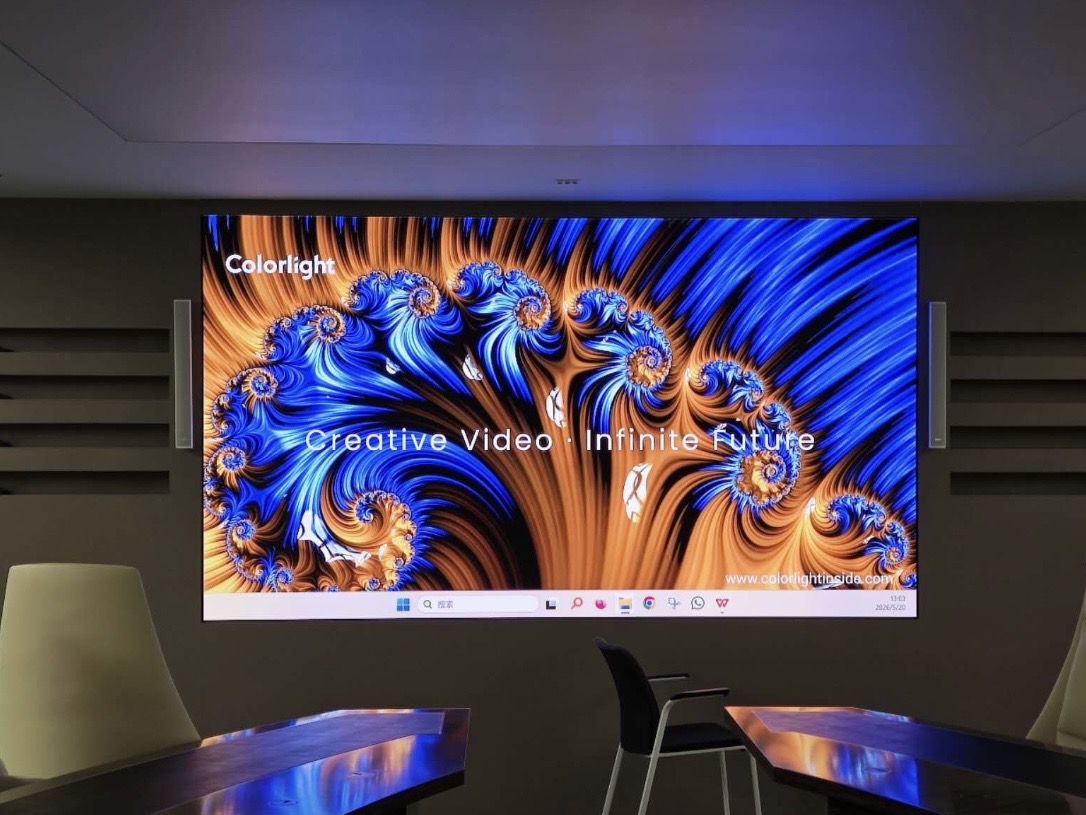
Ask us for a sample screen so you can evaluate the build, colour, and performance before your order.
Request a SampleChat on WhatsApp