By David
What is an led display extended warranty? An led display extended warranty continues the repair cover beyond the standard warranty period, so the screen is protected for the longer. The buyer weighs the fee against the risk. This 2026 guide explains it.
The extended warranty continues the cover beyond the standard period, so the screen is protected for the longer. The buyer pays the fee and the supplier covers the repair, which the buyer weighs against the likely cost. The extended warranty is the insurance on the screen's later years.
The extended warranty may cover the parts, the labour, or both, and the terms vary. The buyer should read the coverage, so the expectation matches. The clear terms prevent the surprise at the claim, which the extended warranty should the avoid.
| Cover | What It Includes | Watch |
|---|---|---|
| Parts only | The components | The labour |
| Parts and labour | The full repair | The exclusions |
| Full cover | The parts, the labour, the travel | The price |
| Comprehensive | The above plus the loaner | The conditions |
| Cover | The Buyer Weighs |
|---|---|
| Parts | The component cost |
| Parts and labour | The full repair |
| Full | The travel too |
| Comprehensive | The loaner |
The screen may fail the after the standard warranty, and the repair costs the money. The extended cover smooths the cost and the protects the budget. The buyer should weigh the fee against the risk, which the critical screen the justifies the cover.
The critical screen, such as the control room or the broadcast, cannot afford the downtime, so the extended cover with the fast response is the valuable. The buyer should match the cover to the screen's criticality. The important screen deserves the longer protection.
The coverage states what the warranty pays, and the exclusions state what it does not. The buyer should read both, so the expectation is the right. The exclusion for the physical damage, the water, or the wear changes the value, so the buyer should know it.
The exclusions should be the fair, matching the standard warranty. The buyer should compare the extended and the standard, so the extra cover is the real. The clear coverage and the exclusions make the extended warranty the useful, not the paying for the nothing.
The extended warranty costs the fee, which the buyer weighs against the likely repair. The screen with the high value or the critical role justifies the cover, while the low-use screen may not. The buyer should model the cost, so the decision is the data, not the feeling.
The value also depends on the supplier's reliability, because the reliable screen fails the less. The buyer should consider the history and the components. The extended warranty on the reliable screen is the cheaper, while on the questionable one the more the valuable.
The extended warranty may require the maintenance, so the screen is serviced to keep the cover. The buyer should confirm the condition. The maintenance-required warranty is the common, and the buyer should schedule the service, so the cover is the valid.
The maintenance and the cover work together, because the serviced screen fails the less and the claim the less. The buyer should plan both, so the screen is the reliable and the cover the valid. The two together protect the screen for the long term.
The common mistakes are the coverage the buyer misunderstands, the missed the maintenance, the ignored the exclusions, and the cover the screen does not need. Each costs the money or the leaves the gap, so the buyer should read the terms and match the cover.
The remedy is to read the coverage, keep the maintenance, and match the cover to the screen. The right extended warranty protects the screen for the years and the smooths the cost, so the buyer is the covered and the safe.
The extended warranty and the SLA work together, because the cover pays the repair and the SLA sets the response. The buyer should confirm both, so the screen is the covered and the fast fixed. The two together protect the critical screen through the years.
The extended warranty may include the response time, which the buyer should check. The fast response matters for the critical screen, where the downtime is the expensive. The cover with the fast response is the valuable, so the buyer should weigh the response with the price.
The extended warranty ends, so the buyer should plan the after, whether the further extension, the maintenance contract, or the spares. The buyer should not let the cover lapse without the plan. The planned end keeps the screen the protected through its life.
The end also informs the replacement decision, because the screen at the end of the cover may be the candidate for the upgrade or the new. The buyer should review it. The warranty timeline, with the screen's condition, guides the replace or the extend, so the money is the well spent.
The extended warranty matters more as the screen ages, because the older parts fail the more. The buyer should consider the age and the condition. The extended cover on the aging screen is the valuable, because the repair the likely and the cost the real.
The buyer should also review the screen's history, because the reliable screen needs the cover the less. The history informs the decision. The aged, the reliable screen may not need the cover, while the younger, the questionable one may. The data guides the choice.
The extended warranty smooths the budget, because the repair cost is the spread over the cover period. The buyer with the tight budget values the cover, because the surprise repair is the hard. The cover makes the cost the predictable.
The budget also includes the maintenance, which the cover may require. The buyer should plan both, so the screen is the covered and the serviced. The planned budget, with the cover and the maintenance, protects the screen and the finances of the operation.
The extended warranty claim should be the easy, so the buyer gets the benefit. The buyer should confirm the process, the notice, and the contact. The clear claim process makes the cover the real, not the paper that fails at the claim.
The buyer should also keep the records, so the claim is the supported. The service record and the purchase show the screen and the cover. The documented claim, with the record, gets the benefit, so the extended warranty serves its purpose at the fault and the repair.
The extended warranty depends on the supplier, because the supplier honours it. The buyer should choose the reliable supplier, so the cover is the real. The questionable supplier's cover is the paper, while the reliable one's the protection.
The buyer should also confirm the supplier's stability, because the cover spans the years. The stable supplier is the safe for the long cover. The extended warranty, with the reliable and the stable supplier, protects the screen the truly, so the buyer is the covered and the safe through the years.
The buyer should compare the extended warranty offers, because the coverage and the price vary. The buyer should weigh the scope, the exclusions, and the response. The comparison finds the best cover, so the money is the well spent on the real protection.
The comparison should also include the self-insure option, where the buyer sets aside the repair fund. The buyer should weigh the cover against the reserve. The informed buyer chooses the cover or the reserve, so the risk is the managed the best way for the screen and the budget.
The exclusions decide the value, so the buyer should read them the closely. The physical, the water, and the wear are the common exclusions. The buyer should know them, so the expectation is the right and the claim is the real. The clear exclusions make the cover the honest.
The buyer should also check the conditions, such as the maintenance and the use. The misuse may void the cover. The buyer should follow the terms. The understood exclusions and the conditions keep the cover the valid, so the buyer is the covered and not the surprised at the claim.
The led display extended warranty continues the cover beyond the standard, with the terms the buyer should read. Match the cover to the screen, keep the maintenance, and weigh the fee against the risk.
Owners who choose the right extended warranty protect the screen and the budget. The cover is the insurance on the later years, and the right one protects the critical screen through the years of the operation.
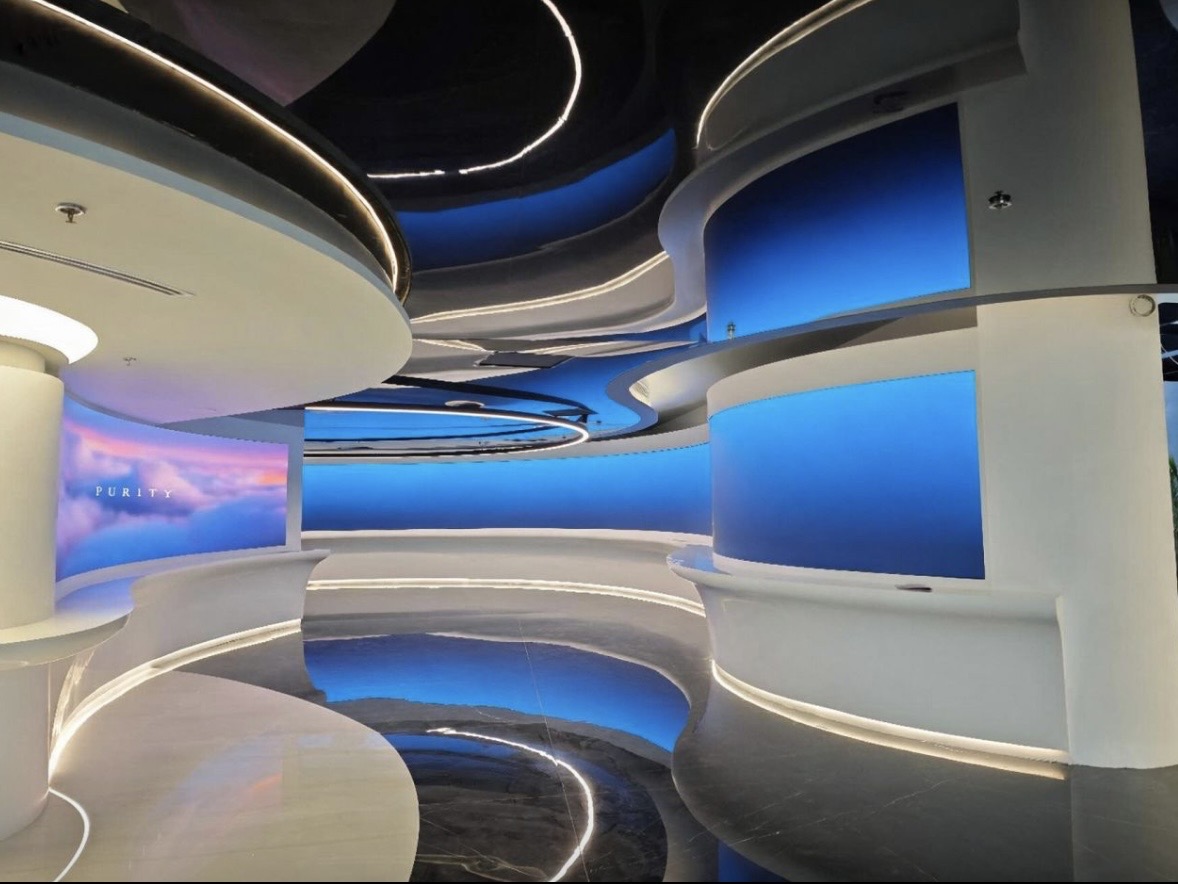
Ask us about the extended warranty and the cover options for your LED display.
Request Warranty OptionsChat on WhatsApp